


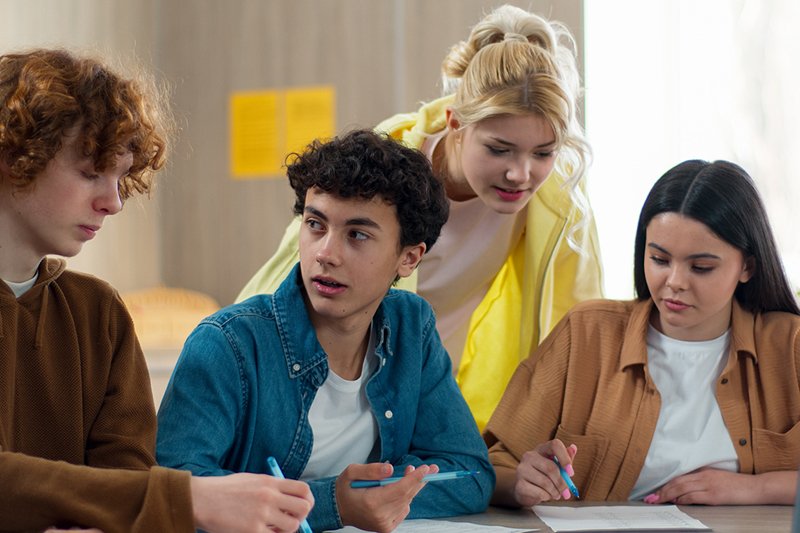
Students at our institutions are highly capable and driven, yet the pace and rigour of their academics can leave them feeling disconnected or overwhelmed. Without intentional community-building, even high-achieving students may experience burnout or uncertainty about belonging. However, a strong sense of connection is one of the most powerful predictors of motivation, persistence and overall well-being.
Instructors play a crucial role in shaping the culture of belonging and modelling holistic support for students. By fostering trust, empathy and psychological safety, instructors can transform classrooms into inclusive learning communities where students feel seen, supported and empowered to take intellectual risks. Drawing on frameworks such as CliftonStrengths, the eight dimensions of wellness and growth-minded approaches to learning, these practices enhance academic success while nurturing resilience, purpose and well-being.
But how can instructors bring this work into the classroom while also adhering to rigorous curriculum standards?
Below are three strategies instructors can use to strengthen community and belonging. By weaving these elements into course design, discussions and daily reflections, instructors can model a culture of empathy and trust that can help students flourish both inside and outside the classroom.
Strategy 1: Foster trust and collaboration through strengths-based teamwork
A strengths-based approach encourages conversations among students, understanding of different approaches to goals or tasks and appreciation for diverse contributions. Assessments such as CliftonStrengths can help students through teamwork and peer interaction. CliftonStrengths is an online assessment that measures an individual’s talents, categorises them across 34 themes and provides a customised report to identify how to leverage and develop these talents. When students identify and value their strengths, and those of their peers, they engage more confidently and collaboratively. Understanding individual talents also improves student engagement and self-efficacy, as research on strengths-based education shows.
Practical ways to integrate this approach include:
Introduce strengths early: Have students complete CliftonStrengths or a comparable assessment and discuss how their top strengths influence collaboration. Facilitate discussions such as: “Which of your top strengths shows up most often when you collaborate and/or work in teams?”
Align strengths with roles: Encourage students to assign project responsibilities based on their strengths. For example, a student strong in strategic abilities may lead planning efforts.
Use group work in large courses: Create smaller discussion teams and provide opportunities for students to share and reflect on their strengths, helping them understand diverse approaches to learning and teamwork.
Strategy 2: Create a psychologically safe environment through emotional intelligence and embracing failure
Psychological safety, rooted in research by Harvard Business School leadership and management professor Amy Edmondson, emerges when instructors model emotional intelligence and provide space for students to feel safe to explore and learn from failure. In high-performing environments, students often view mistakes as weaknesses, which can limit curiosity and engagement. Using psychologist Daniel Goleman’s emotional intelligence framework – self-awareness, self-management, social awareness and relationship management – instructors create classrooms where students feel safe to take risks, share ideas and reflect on their emotions and interactions with peers.
Ways to foster emotional intelligence and psychological safety include:
Model vulnerability: Share a personal story about a setback and what you learned. Invite students to share their own experiences.
Use peer check-ins: Begin class with prompts such as: “What word describes how you’re feeling today?” Acknowledge common stressors and invite strategies for managing stress and adversity.
Use tools for self-reflection: Instruments like the Johari Window can promote peer feedback and self-disclosure. Providing time for reflection and discussion helps students view failure as feedback and learn to manage their emotions. This promotes psychological safety, deeper learning and stronger community connections.
Strategy 3: Build belonging and well-being through reflective conversations
Students may prioritise academic achievement while neglecting self-care. This can lead to decreased awareness of other dimensions of wellness such as emotional, social and physical. Using the eight dimensions of wellness – emotional, physical, social, occupational, financial, environmental, intellectual and spiritual – instructors can incorporate brief reflection and sharing opportunities that connect academic content to personal growth, normalise feelings of stress, and encourage help-seeking strategies.
Ways to support belonging and well-being include:
Introduce the wellness wheel: The wellness wheel highlights the eight interconnected dimensions of wellness that support overall well-being. Invite students to identify dimensions that feel strong, those needing attention and potential steps for improvement.
Frame class discussions around reflection: Ask questions such as: “Which dimension of wellness will you focus on this month?” or “Which coping strategies are most helpful to you?” Recognising that class time is limited, instructors can devote a few minutes of class to capture responses through brief assignments or technology tools used during class. If class time is unavailable, discussion boards can be used outside class to encourage wellness discussions.
Normalise support seeking: Tell students about support available on campus (such as career services, mental health resources and student organisations) and let them know that it is OK to look for assistance.
These activities provide an excellent way for instructors to check in with students while giving students a chance to explore their wellness, track changes over the semester and build connections with classmates. In my experience, these activities often spark great discussions and create a sense of community in the classroom. Hearing student perspectives gives valuable insight into what students need, their college experiences and how to provide the best support. It helps students feel seen and valued and not just one of many in the classroom.
Building a connected classroom requires intentional strategies that promote trust, psychological safety and holistic well-being. By integrating strengths-based teamwork, modelling emotional intelligence, embracing failure and providing opportunities for wellness reflection, instructors can support the total student experience.
Christie Stewart is a senior academic professional and director of health and wellness education in the School of Biological Sciences at Georgia Institute of Technology.
Acknowledgement: AI tools were used to support revisions to wording, clarity and organisation throughout this article.
If you would like advice and insight from academics and university staff delivered direct to your inbox each week, sign up for the Campus newsletter.
