


A new UN report says crossing the Paris climate threshold now looks unavoidable, but how far temperatures rise, how long they stay there and whether they can eventually be brought back down are still shaped by the choices we make now
For almost a decade, keeping global warming below 1.5C has been one of the defining goals of global climate action. Now, for the first time, the UN Environment Programme (UNEP) has concluded that the world is likely to breach that threshold within the next few years, while also making clear that crossing it does not mean temperatures have to remain there or that further efforts to limit warming become futile.
Published on Wednesday, UNEP’s Limiting Overshoot report describes what it calls an “overshoot, peak and decline” pathway, in which temperatures rise beyond 1.5C before peaking as greenhouse gas emissions fall towards net zero, then begin to decline if humanity succeeds in removing more carbon dioxide from the atmosphere than it releases.
Under the most ambitious scenario examined by UNEP, warming would peak at around 1.8C by the middle of the century. By contrast, policies currently in place would put the world on course for around 2.6C of warming by 2100, according to the report, which underlines why every fraction of a degree avoided continues to reduce the scale of harm.
Solutions every Saturday
Uplift your inbox with our weekly newsletter. Positive News editors select the week’s top stories of progress, bringing you the essential briefing about what’s going right.
Sign up
Climate scientists have long warned that 1.5C is not a line separating a safe world from one in which further action becomes pointless. Risks increase as temperatures rise, so a world that reaches 1.6C is less dangerous than one that reaches 1.7C, while spending a shorter period above 1.5C would also reduce the damage compared with remaining there for decades.
“The 1.5 limit is not ‘some magical climate cliff’ where it’s just game over,” University of Victoria climate scientist Andrew Weaver, who was not involved with the report, told the Associated Press. “Every tenth of a degree we avoid still means less damage.”
Although 2024 was the first individual year in which average global temperatures exceeded 1.5C above pre-industrial levels, the Paris Agreement threshold is assessed over a longer period rather than a single unusually hot year. Sustained warming is now estimated at around 1.4C, meaning the world has not yet formally crossed the Paris threshold, although UNEP now believes doing so is likely within the next few years.
‘Decisions, science and, most importantly, mindsets need to shift to seeing 1.5°C as a goal we’ll be approaching from above rather than below,’ says Mirey Atallah, chief of UNEP’s adaptation and resilience branch and coordinator of the report. Image: LazyBear
The report argues that the response should be to keep any overshoot as low and as short as possible, rather than treating the breach as evidence that the original goal should simply be abandoned. “Decisions, science and, most importantly, mindsets need to shift to seeing 1.5°C as a goal we’ll be approaching from above rather than below,” said Mirey Atallah, chief of UNEP’s adaptation and resilience branch and coordinator of the report.
Returning temperatures below 1.5C would still require deep and sustained reductions in fossil fuel emissions followed by a period of net-negative emissions, with carbon dioxide removed and stored through forests and other natural approaches alongside technologies that have yet to operate at anything like the scale envisaged.
UNEP also stresses that carbon removal cannot substitute for cutting emissions, while some damage caused during an overshoot could prove irreversible. Higher temperatures increase the risks to ice sheets, the Amazon rainforest and the Atlantic circulation system, as well as intensifying heatwaves, flooding, food insecurity and ecosystem loss. Even if temperatures later fall, rising seas, lost species and other changes cannot simply be reversed.
What the report changes is not the seriousness of crossing 1.5C, but the way that threshold can be understood once it happens. The eventual peak, the length of time the world spends above 1.5C and whether temperatures can ultimately be brought down again will still depend heavily on the speed and scale of emissions cuts made in the years ahead.
As report co-author and University of Exeter climate scientist Richard Betts put it: “It’s a reality check. We have to live with this warmer world. But there’s still a lot we can do to limit warming.”
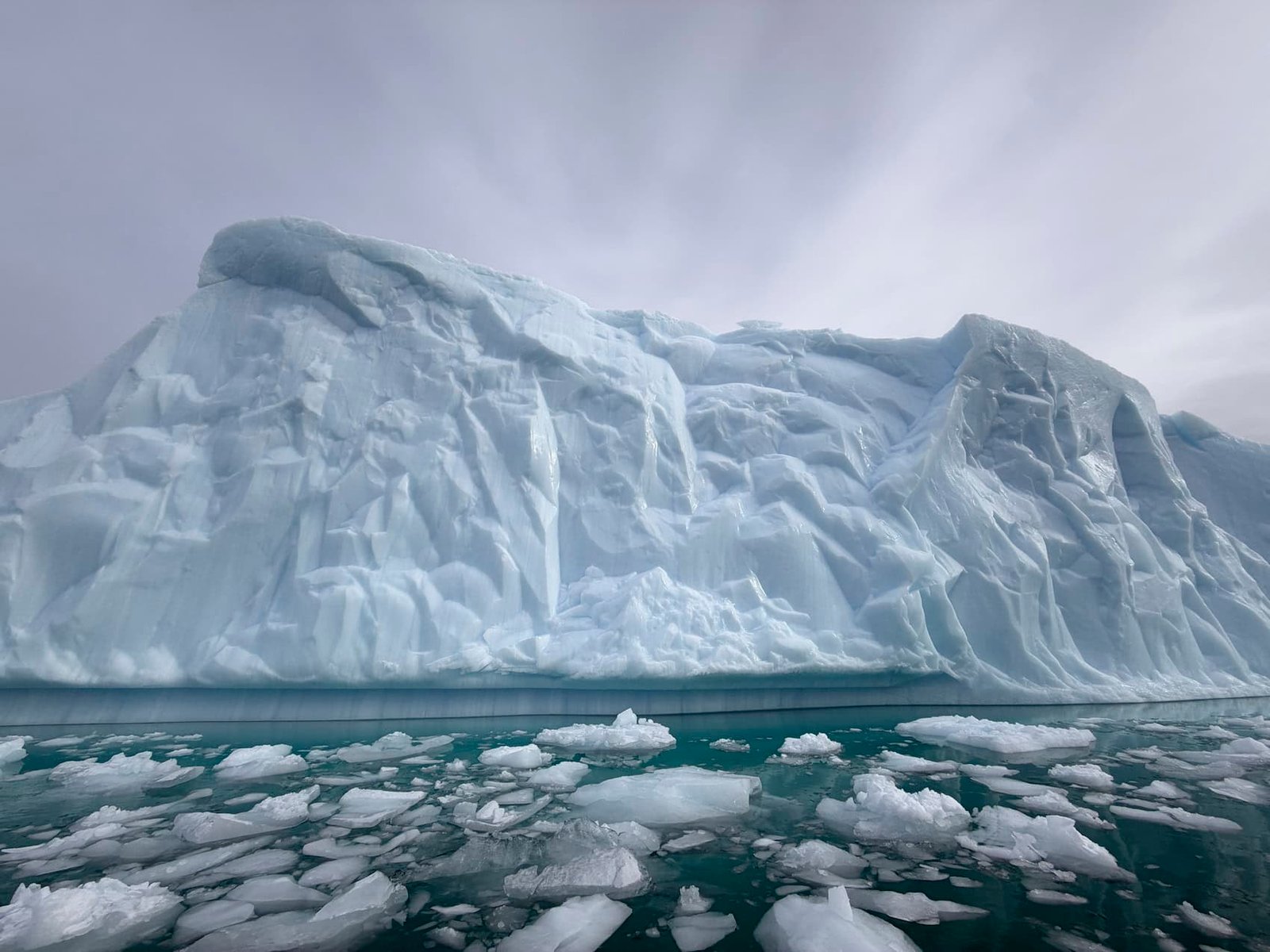
Main image: Pascual Fernandez Gomez
Be part of the solution
At Positive News, we’re not chasing clicks or profits for media moguls – we’re here to serve you and have a positive social impact. We can’t do this unless enough people like you choose to support our journalism.
Give once from just £1, or join 1,800+ others who contribute an average of £3 or more per month. Together, we can build a healthier form of media – one that focuses on solutions, progress and possibilities, and empowers people to create positive change.
Support Positive News
