


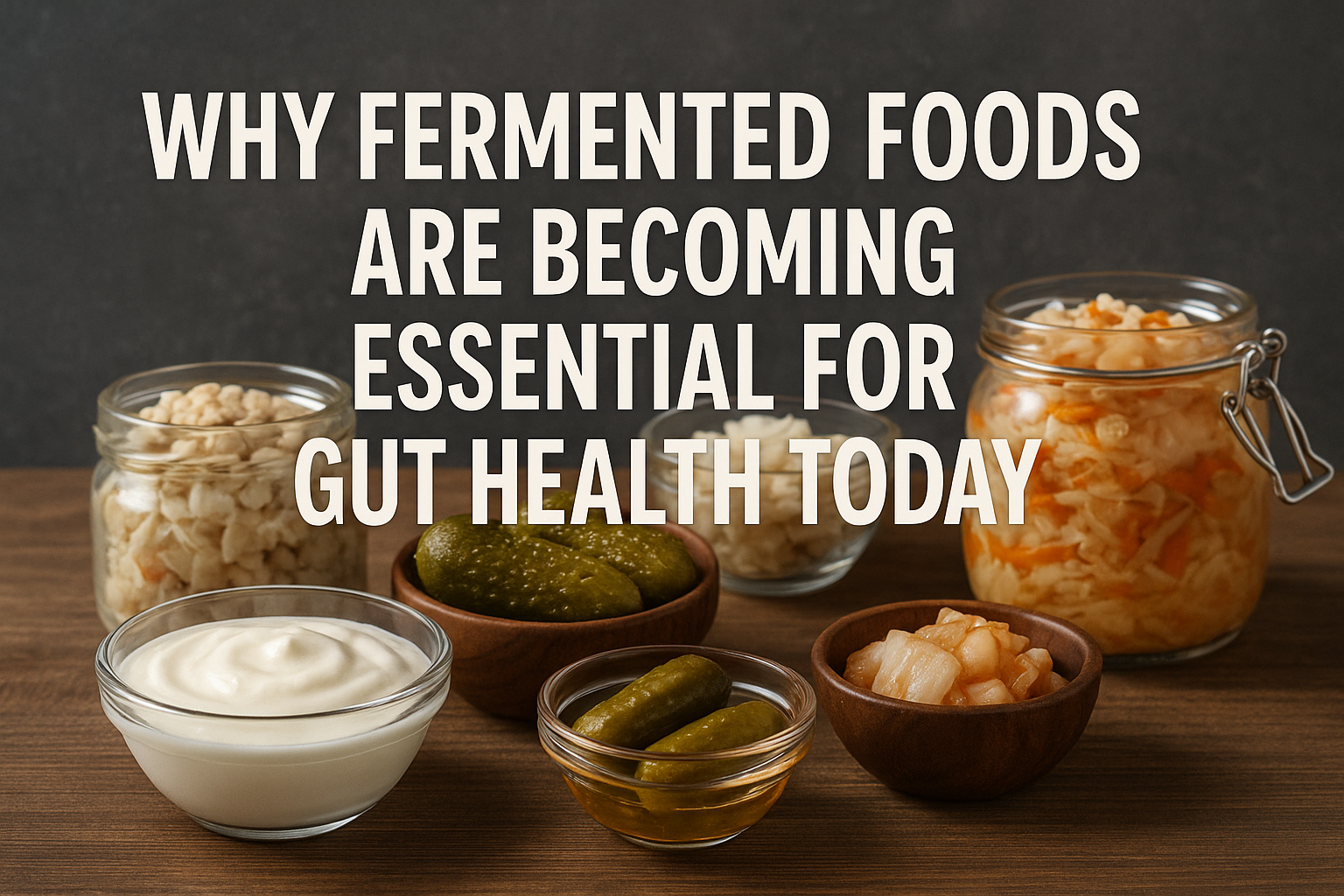
importance of gut health and microbiome.)
Moreover, the rise of food influencers and health advocates sharing their personal journeys with gut health has fostered a community eager to explore dietary solutions. This sense of belonging and support can be motivating for many trying to improve their health through nutrition.
As more people search for information on gut health, there’s a noticeable spike in online discussions about the benefits of specific foods and preparation methods. This creates a ripple effect, encouraging others to join the movement.
Personalized Microbiome Health
As interest in gut health grows, so does the concept of personalized nutrition. With advancements in technology, individuals can now analyze their gut microbiomes to understand better what foods may benefit them specifically. This tailored approach to nutrition allows for more effective dietary strategies.
Personalized microbiome health can involve tailored meal plans that focus on foods that not only enhance gut health but can also improve energy levels, mood, and overall well-being. This scientific and personalized approach further underscores the importance of whole foods, including fermented options, in one’s diet.
Addressing the Skepticism Surrounding Fermented Foods
Despite the growing popularity of fermented foods, some skepticism remains. Questions about their efficacy compared to probiotic supplements or concerns over the safety of home fermentation processes can deter people from trying these foods.
Experts like Olendzki argue that while probiotic supplements may offer benefits, they often lack the diversity found in whole fermented foods. The key is to focus on nourishing your gut with various foods rich in live cultures. Home fermentation, when done correctly, can be a fulfilling way to engage with food and community.
It’s important to approach fermentation with education and caution to ensure safety. Understanding the correct processes and potential risks can help alleviate fears and increase confidence in trying these foods.
Incorporating Fermented Foods into Your Diet
If you’re looking to boost your gut health, incorporating fermented foods into your diet can be as simple as adding a dollop of sauerkraut to your sandwiches or sipping on a glass of kefir in the morning. Here are some practical tips for including more fermented foods in your daily routine:
- Start Small: If you’re new to fermented foods, begin with small quantities to allow your body to adjust.
- Diversify Your Choices: Experiment with different types of fermented foods to discover your favorites.
- Make It a Habit: Find creative ways to include fermented foods in your meals, such as adding kimchi to stir-fries or using fermented sauces in dressings.
- Try Home Fermentation: If you’re adventurous, consider making your own fermented foods at home. There are numerous resources available to guide you through the process.
By incorporating these foods gradually and consistently, you’ll likely enjoy improved gut health and overall well-being.
The Future of Gut Health Awareness
As awareness of gut health continues to spread, we can anticipate that more innovative products will emerge in the food market. Companies are increasingly developing fermented products tailored to meet consumer demands for health and wellness. This evolution of food products, coupled with ongoing scientific research, will likely shape our understanding of gut health in the years to come.
In conclusion, the renewed focus on fermented foods and gut health offers a promising avenue for improving health and preventing disease. As we embrace ancient practices through a modern lens, the potential benefits are enormous. The journey towards optimal gut health isn’t just personal; it’s a collective movement that reflects a deeper understanding of nutrition, culture, and community.
Understanding the Microbiome: What You Need to Know
Your gut microbiome is a complex ecosystem of trillions of microorganisms that live in your digestive tract. Each person’s microbiome is unique and influenced by various factors, including diet, lifestyle, genetics, and environment. A healthy microbiome is characterized by a diverse array of beneficial bacteria, which helps maintain proper digestive functions and overall health.
Related: You may also like
Research indicates that an imbalance in gut bacteria, known as dysbiosis, is linked to myriad health issues, such as inflammatory bowel disease, obesity, diabetes, and even mental health disorders. One study published in Nature highlighted how individuals with lower microbial diversity tend to have increased inflammation markers and a higher risk of chronic diseases.
Statistical Insights into Gut Health
Recent statistics reveal the growing awareness and emphasis on gut health among the population. According to a survey conducted by the International Food Information Council, 73% of adults are actively seeking foods that promote gut health. Additionally, the global probiotic market is expected to reach $105.2 billion by 2027, reflecting a significant increase in consumer demand for gut-friendly products. (See: CDC on colorectal cancer rates.)
Furthermore, a study from the American Gastroenterological Association found that individuals who consume fermented foods at least once a week show a 25% lower risk of developing diseases related to the gut compared to those who consume them less frequently. These statistics not only underscore the importance of gut health but also highlight a shift in consumer behavior toward more health-conscious eating.
Exploring Different Types of Fermentation
Fermentation can be categorized into several types, including lactic acid fermentation, alcoholic fermentation, and acetic acid fermentation. Each type has unique processes and outcomes, contributing to the varied flavors and textures of fermented foods.
Lactic acid fermentation is perhaps the most common method used in food preservation, creating products such as yogurt, kefir, and fermented vegetables. This process involves the conversion of sugars into lactic acid by lactic acid bacteria, leading to a tangy flavor and preservation characteristics.
Alcoholic fermentation is used to produce beverages like beer and wine. Yeasts convert sugars into alcohol and carbon dioxide, resulting in a distinct taste and intoxicating effects. Acetic acid fermentation, on the other hand, is essential for producing vinegar and plays a significant role in flavoring various dishes.
Understanding these fermentation types can help you appreciate the wide variety of fermented foods available and their respective health benefits.
Fermented Foods Around the World
Each culture has its own cherished fermented foods, showcasing the global diversity of this practice. Exploring these foods can provide a deeper understanding of their health benefits and cultural significance:
- Miso: Hailing from Japan, miso is a fermented soybean paste that is often used in soups and dressings. It’s rich in probiotics and can enhance the flavor profile of various dishes.
- Natto: Another Japanese staple, natto is made from fermented soybeans and is known for its distinctive smell and sticky texture. It is an excellent source of vitamins K2 and probiotics.
- Kimchi: As mentioned earlier, kimchi is a staple in Korean cuisine, made from fermented vegetables, primarily napa cabbage. It’s renowned for its health benefits and is often praised for its potential anti-inflammatory properties.
- Kefir: This versatile fermented drink can be made from various milks and is consumed in many cultures. Its popularity has surged in recent years, praised for its probiotic content and creamy taste.
FAQs About Gut Health
What are the signs of an unhealthy gut?
Common signs of an unhealthy gut can include bloating, gas, diarrhea, constipation, food intolerances, and fatigue. More severe symptoms may involve skin issues, autoimmune conditions, and persistent inflammation.
How can I naturally improve my gut health?
To improve gut health, focus on a balanced diet rich in fiber, whole grains, fruits, vegetables, and fermented foods. Staying hydrated, managing stress, and getting regular exercise can also contribute significantly.
Is it safe to try home fermentation?
Yes, home fermentation can be safe when following proper guidelines. Ensure you understand the fermentation process, maintain cleanliness, and keep track of fermentation times to avoid harmful bacteria.
How long does it take to notice improvements in gut health?
Many people report noticing changes in their digestion and overall well-being within days to weeks of incorporating fermented foods into their diets. However, significant changes may take longer, depending on individual factors.
Can fermented foods help with weight loss?
While fermented foods alone aren’t a weight-loss solution, they can boost gut health and digestion, which may help in weight management. A balanced diet combined with physical activity is the most effective approach for weight loss.
The Importance of Continuing Research
The field of gut health is still evolving, and ongoing research continues to shed light on the intricate relationship between diet, gut microbiota, and health outcomes. Studies exploring the effects of specific strains of probiotics, the impact of dietary changes on gut health, and the long-term benefits of fermented foods will help refine our understanding of how to optimize gut health.
As more individuals become aware of the vital role of gut health in overall well-being, the demand for accurate information, effective products, and personalized solutions will only increase. This collective interest will likely lead to more research funding, ensuring that gut health remains a priority in both the scientific community and the wellness industry. (See: World Health Organization on healthy diets.)
Final Thoughts on Gut Health
In a world where health trends come and go, the focus on gut health seems here to stay. As we embrace ancient dietary traditions like fermentation in our modern diets, the potential health benefits are substantial. By understanding the importance of the gut microbiome and exploring the rich variety of fermented foods available, we can take proactive steps toward enhancing our health and well-being.
Emerging Trends in Gut Health
As we look to the future, several emerging trends in gut health are likely to shape our eating habits and health practices. One significant trend is the rise of gut health testing. At-home microbiome testing kits have gained popularity, allowing individuals to analyze their gut flora and receive personalized recommendations based on their results. This trend empowers consumers to make informed dietary choices tailored to their unique microbiome profiles.
Another exciting development is the exploration of postbiotics—byproducts of probiotic fermentation that can also confer health benefits. While probiotics are the live bacteria we consume, postbiotics include compounds produced during fermentation that may enhance gut health without the need for live bacteria. Research is ongoing in this area, with potential implications for those who may not tolerate probiotics well.
Gut Health and Mental Well-Being
The connection between gut health and mental well-being is an area of increasing interest in research. The gut-brain axis, a term used to describe the communication pathway between the gut and the brain, highlights how gut health can influence mood and cognitive function. Studies have shown that individuals with a diverse gut microbiome may experience lower levels of anxiety and depression.
Fermented foods rich in probiotics are believed to play a role in this relationship. For instance, a study published in Psychiatry Research found that participants who consumed fermented dairy products reported decreased depressive symptoms over time. This suggests that incorporating more fermented foods in your diet could have mental health benefits alongside physical health improvements.
Common Misconceptions About Gut Health
1. All Probiotics Are the Same
Many people think that all probiotics provide the same benefits, but that’s not true. Different strains of probiotics can have varying effects on the body. For instance, Lactobacillus strains are often beneficial for digestive health, while Bifidobacterium strains may support immune function. Understanding the specific strains can help you choose the right probiotic foods or supplements for your needs.
2. You Only Need Probiotics
While probiotics are vital for gut health, they are just one piece of the puzzle. A healthy gut microbiome also relies on a diverse diet rich in prebiotics (fiber that feeds healthy bacteria), fermented foods, and overall balanced nutrition. Focusing solely on probiotics may overlook other essential dietary components.
3. You Need to Consume Fermented Foods Daily
Some believe that they must consume fermented foods every day to reap the benefits, but that’s not necessarily the case. Regularly incorporating fermented foods into your diet several times a week can be sufficient to support gut health. Listening to your body and finding a balance that works for you is essential.
Conclusion: Embracing a Gut-Healthy Lifestyle
As we continue to explore and understand the profound impact of gut health on our overall well-being, it’s clear that embracing a gut-healthy lifestyle can lead to numerous benefits. From improved digestion and enhanced immune function to better mental health, the advantages of nurturing your gut flora are ample. By integrating a variety of fermented foods, sticking to a balanced diet, and understanding your unique microbiome, you’re on the path to achieving better health and vitality.
“`
Frequently Asked Questions
Why are fermented foods important for gut health?
Fermented foods are crucial for gut health as they contain probiotics, which help balance the gut microbiome. This balance is essential for digestion, immunity, and overall well-being, and can prevent diseases, including colorectal cancer, particularly in younger adults.
What are some examples of fermented foods?
Examples of fermented foods include kimchi, sauerkraut, kefir, tempeh, yogurt, and kombucha. Each offers unique flavors and health benefits, contributing to improved gut health and enhanced nutritional value.
How does gut health affect overall well-being?
Gut health significantly impacts overall well-being by influencing digestion, immunity, and even mental health. A balanced gut microbiome can help prevent various health issues, including inflammatory diseases and certain cancers.
What is the connection between gut health and colorectal cancer?
Recent studies have linked imbalances in gut flora to increasing colorectal cancer rates, especially among younger adults. Maintaining a healthy gut through diet, including fermented foods, may serve as a preventive measure against such diseases.
What does ‘fibermaxxing’ mean?
Fibermaxxing refers to the conscious effort to increase fiber intake through whole foods, particularly fermented options. This practice is aimed at improving gut health and overall nutrition by incorporating more fiber-rich foods into daily diets.
What’s your take on this? Share your thoughts in the comments below — we read every one.
