


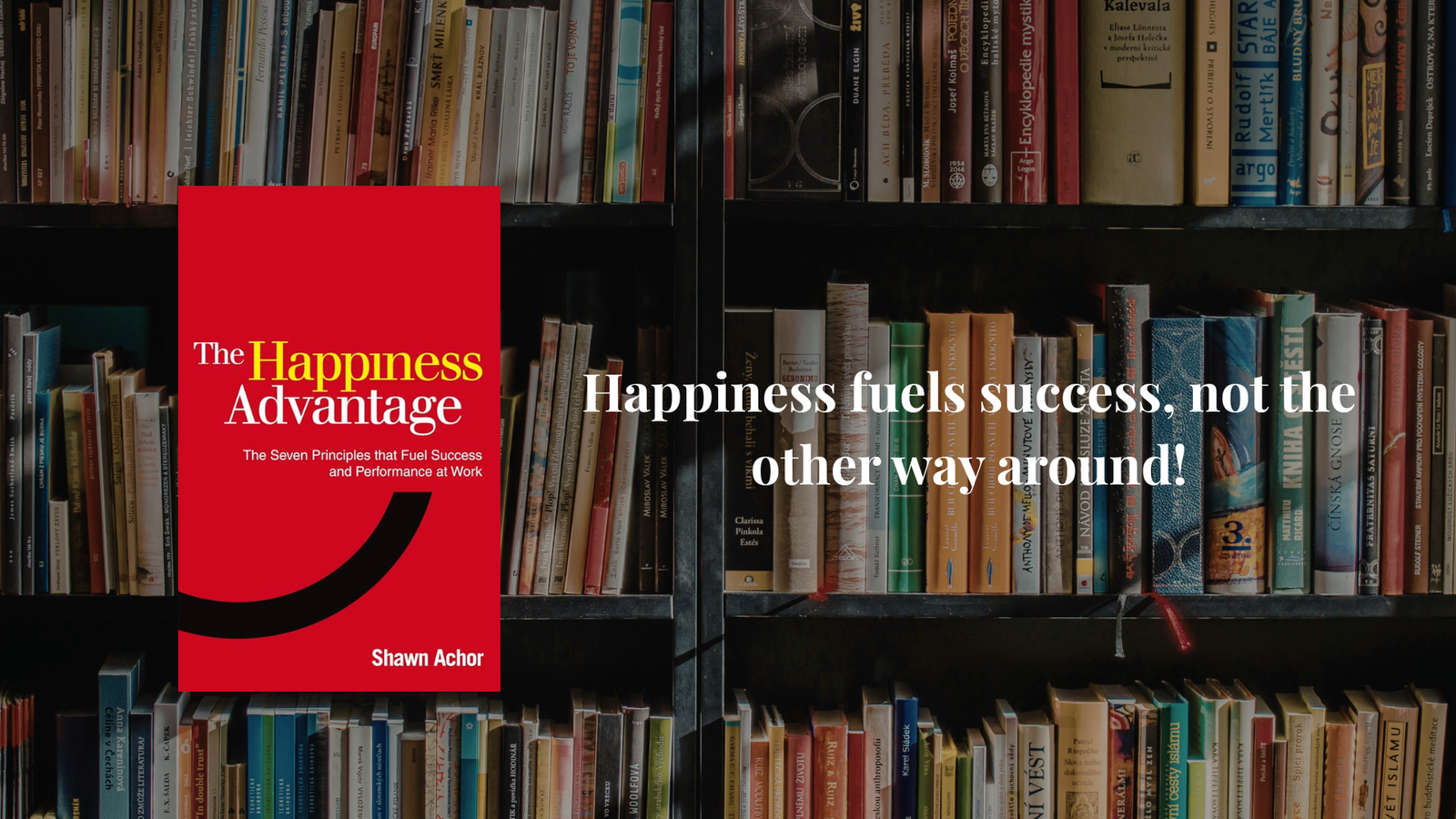
Many people spend years believing happiness comes after success. The common mindset sounds familiar: “I’ll be happy when I get promoted,” “I’ll feel better when life becomes easier,” or “Once everything works out, I’ll finally relax.” But strangely, even after reaching milestones, many still feel stressed, overwhelmed, or emotionally exhausted.
What if the order is wrong? What if happiness is not the reward for success, but actually the reason success becomes easier?
That is the powerful idea explored in The Happiness Advantage by Shawn Achor. Rooted in psychology and scientific research, the book argues that a positive mindset improves performance, productivity, relationships, resilience, and overall well-being. Instead of waiting for life to become perfect, it encourages readers to build habits that create happiness now.
Here are 10 meaningful lessons from The Happiness Advantage for building a healthier and more positive mindset.
10 Practical Lessons from the Happiness Advantage
1. Happiness fuels success, not the other way around
One of the book’s biggest lessons challenges traditional thinking.
Many people believe success leads to happiness. But Shawn Achor argues that happiness actually improves performance. Positive emotions help people think more creatively, solve problems better, and stay more resilient during challenges.
The lesson here is simple: stop postponing happiness until everything feels perfect.
2. Train your brain to notice the positive
The brain naturally focuses on problems and threats. But constantly noticing negativity can affect emotional well-being.
The book encourages intentionally practising gratitude and optimism. Small habits like noticing wins, reflecting on good moments, or appreciating progress help shift perspective over time.
Positivity grows through repetition.
3. Your mindset shapes your reality
How people interpret situations often matters as much as the situation itself.
Two people can face the same challenge and respond completely differently depending on their mindset. A positive perspective does not ignore problems; it helps people handle them more effectively.
This lesson highlights the power of perception.
4. Small habits create big emotional changes
Major transformations rarely happen instantly.
Simple habits like journaling, gratitude, movement, meditation, or positive reflection often improve emotional well-being over time. The book emphasises consistency over dramatic change.
Small daily actions quietly influence mental health more than people realise.
5. Stress becomes easier when perspective changes
Stress feels heavier when people view challenges as threats instead of growth opportunities.
The book encourages reframing struggles. Difficult situations often become easier to navigate when seen as temporary, manageable, or meaningful learning experiences.
Mindset changes emotional resilience.
Also Read
5 teachings from the happiness trap for overthinking less
6. Surround yourself with positive people
Emotions are contagious.
The people around you influence mood, confidence, mindset, and emotional energy more than you may notice. Supportive, optimistic environments often improve emotional well-being significantly.
Protecting emotional space matters.
7. Celebrate progress, not just outcomes
Many people only feel satisfied after huge achievements.
But waiting only for big wins often creates frustration. The book encourages appreciating progress, effort, and small victories. This helps maintain motivation and emotional balance over time.
Growth feels easier when progress becomes visible.
8. Failure is feedback, not identity
One difficult experience does not define your future.
The book encourages healthier responses to setbacks. Instead of seeing failure as proof of inadequacy, view it as information, growth, and adjustment.
This shift helps reduce fear and build resilience.
9. Helping others improves happiness, too
One surprising lesson in the book is that kindness improves emotional well-being.
Helping others, supporting friends, or offering encouragement often strengthens connection and personal fulfilment. Positive relationships contribute significantly to long-term happiness.
Sometimes, joy grows through generosity.
10. Positive thinking is a skill, not luck
Perhaps the most powerful lesson in The Happiness Advantage is this: positivity can be practised.
Some people assume optimism is personality-based, but the book suggests mindset improves through habits, awareness, and intentional thinking.
A healthier mindset grows slowly through consistent effort.
Final thoughts
The Happiness Advantage offers a refreshing reminder that positivity is not about pretending life is perfect. Instead, it is about building habits and perspectives that help people handle life more effectively.
Through gratitude, resilience, mindset shifts, and healthier thinking patterns, the book shows that happiness is not something to wait for; it is something people can actively build. And sometimes, changing your mindset quietly changes your entire experience of life.
