


About
Many people have heard stories of individuals creating vision boards, repeating positive affirmations, and visualizing their dream lives. These practices are often grouped under the term manifestation, a belief that thoughts, emotions, and intentions can help shape future outcomes.
Social media platforms, self-help books, and wellness influencers have contributed to the growing popularity of manifestation. While some people view it as a spiritual practice, others see it as a psychological tool that encourages optimism, motivation, and personal growth.
Although scientific evidence does not support the idea that thoughts alone can attract wealth, success, or health, research suggests that certain manifestation practices may positively influence mental well-being. The key lies in understanding how positive thinking affects behavior, expectations, and emotional resilience.
Manifestation is commonly described as the practice of focusing thoughts, emotions, and actions on desired goals or outcomes. Many manifestation techniques involve visualization, positive self-talk, gratitude exercises, and symbolic actions that reinforce future aspirations.
Researchers studying manifestation beliefs found that more than one-third of participants endorsed some form of manifestation thinking (1✔ ✔Trusted Source
“The Secret” to Success? The Psychology of Belief in Manifestation
Go to source). Many believed that positive thoughts and intentional actions could influence future success and life outcomes.
The popularity of manifestation may stem from a universal desire to feel hopeful about the future. During uncertain times, people often seek tools that provide a sense of purpose, control, and emotional comfort.
Advertisement
One reason manifestation appeals to many people is its emphasis on positive thinking. Research has consistently shown that optimistic individuals often cope better with stress and maintain greater emotional resilience during challenging situations (2✔ ✔Trusted Source
Optimism and its impact on mental and physical well-being
Go to source).
People who focus on possibilities rather than limitations may feel more motivated to pursue meaningful goals. Positive expectations can influence behavior by encouraging persistence, confidence, and proactive decision-making.
Manifestation practices often encourage individuals to imagine positive outcomes repeatedly. This process may strengthen motivation and help people remain focused on long-term objectives even when obstacles arise.
Advertisement
Visualization is a common manifestation technique that involves mentally rehearsing desired outcomes. Athletes, performers, and professionals frequently use visualization to improve confidence and prepare for future challenges (3✔ ✔Trusted Source
The benefits of guided imagery on athletic performance: a mixed-methods approach
Go to source).
When people imagine achieving a goal, they may become more aware of opportunities that align with their aspirations. This increased awareness can encourage constructive behaviors that support personal growth and achievement.
Research suggests that individuals who believe in manifestation often report greater confidence about their future success (1✔ ✔Trusted Source
“The Secret” to Success? The Psychology of Belief in Manifestation
Go to source). They are more likely to believe that their goals are achievable and that positive outcomes lie ahead.
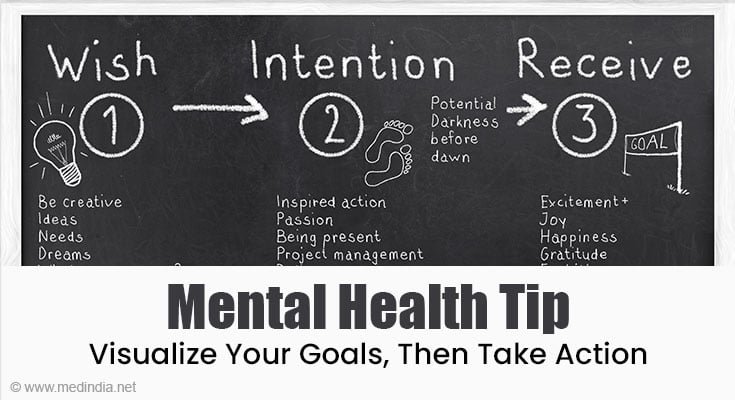
While visualization alone does not guarantee results, combining it with practical action may help reinforce motivation and strengthen commitment to personal goals.
Advertisement
Hope plays an important role in mental well-being. People who maintain hope during difficult circumstances often experience lower stress levels and greater psychological resilience.
Manifestation practices encourage individuals to focus on future possibilities rather than current limitations. This future-oriented mindset may foster a sense of optimism that supports emotional health and personal motivation.
Many manifestation techniques also involve repeating positive affirmations. When used realistically, affirmations may help challenge negative self-talk and reinforce a healthier self-image (4✔ ✔Trusted Source
Self-affirmation activates brain systems associated with self-related processing and reward and is reinforced by future orientation
Go to source).
Developing self-confidence can improve relationships, workplace performance, and overall quality of life. For some individuals, manifestation practices may serve as a structured way to cultivate greater confidence and self-belief.
Gratitude is frequently incorporated into manifestation routines. Many practitioners are encouraged to focus on what they already have rather than what they lack.
Psychological research has linked gratitude practices with improved mood, greater life satisfaction, and reduced stress (5✔ ✔Trusted Source
The effects of gratitude interventions: a systematic review and meta-analysis
Go to source). Regularly acknowledging positive experiences may help shift attention away from persistent worries and negative thoughts.
Keeping a gratitude journal, expressing appreciation, or reflecting on positive experiences can support emotional well-being regardless of whether someone believes in manifestation.
These simple habits may contribute to a more balanced perspective and promote healthier coping strategies during stressful periods.
Although manifestation may offer psychological benefits, it is important to approach the practice realistically. Researchers have found that strong manifestation beliefs can sometimes be associated with unrealistic expectations and excessive confidence about future success (1✔ ✔Trusted Source
“The Secret” to Success? The Psychology of Belief in Manifestation
Go to source).
Some studies found that people with stronger manifestation beliefs were more likely to engage in risky financial behaviors and believe they could achieve unlikely levels of success within shorter timeframes (1✔ ✔Trusted Source
“The Secret” to Success? The Psychology of Belief in Manifestation
Go to source).
Experts caution against relying solely on positive thinking while ignoring practical planning, evidence, or professional advice. Mental well-being is best supported when optimism is balanced with realistic expectations and informed decision-making.
Manifestation should never replace medical care, psychological treatment, or expert guidance when dealing with serious health, financial, or personal challenges.
A balanced approach to manifestation focuses on combining positive thinking with meaningful action. Setting realistic goals, creating practical plans, and tracking progress can help transform aspirations into achievable outcomes.
Instead of expecting thoughts alone to change reality, individuals can use manifestation techniques as motivational tools that support healthy behaviors and personal growth.
Practicing gratitude, visualizing success, and maintaining optimism can complement evidence-based approaches to well-being. However, these practices should be viewed as supportive habits rather than guaranteed pathways to success.
Healthy manifestation encourages people to remain hopeful while staying grounded in reality and taking responsibility for their actions.
Manifestation may contribute to mental well-being by encouraging optimism, hope, gratitude, and goal-directed thinking. These psychological factors are associated with greater resilience and improved emotional health.
At the same time, manifestation works best when paired with realistic expectations, practical effort, and evidence-based strategies for achieving personal goals.
Rather than viewing manifestation as a magical solution, it may be more helpful to see it as a mindset that encourages positive thinking while motivating constructive action. When used thoughtfully, manifestation can become one part of a broader approach to maintaining mental wellness.
