


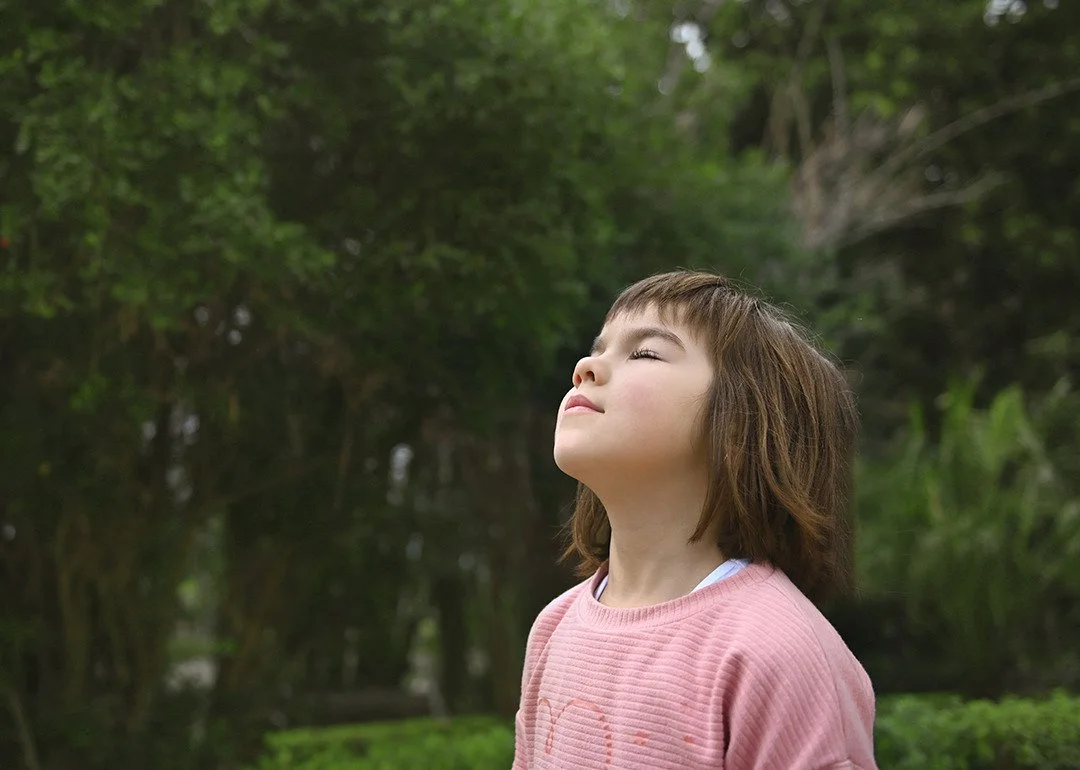
Self-care for kids: 6 ways to self-regulate
Self-care is the practice of taking care of your emotional well-being, and it’s not something most kids think about too much. But, just like adults, kids can get stressed. And they don’t always have strategies to calm down in the face of stress and anxiety. Especially if they have ADHD, which affects executive function skills like self-regulation. That’s the ability to manage your emotions, behavior, and body movement when you’re faced with a tough situation.
That’s why it’s so important to teach kids self-care and emotional regulation strategies. These are skills that develop over time and with practice. And being able to soothe yourself is an important step to being more resilient.
Both adults and educators can help model useful self-care and regulation tools, according to clinical psychologist Stephanie M. Carlson, Ph.D. Understood shares six self-care activities kids can use to self-regulate (without needing adults to do it with them or for them).
1. Try a mindfulness method
Mindfulness is the practice of calming your mind to be more present in the moment. Research shows that teaching mindfulness can help kids develop self-regulation,opens in a new tab and improve behavior and focus. It can be especially valuable for kids with ADHD, anxiety, or learning disabilities.
Kids as young as 3 years old can try mindful techniques. Like the 5-4-3-2-1 method, which helps kids focus more on what’s happening around them and less on any anxious thoughts they may be having.
Here’s how the 5-4-3-2-1 method works. First, take a deep breath and focus on what’s around you. Then, name the following:
5 things you can see: Look at a desk, a clock, or a water stain on the ceiling. It doesn’t matter how large or small.
4 things you can feel or touch: Pay attention to the pencil you’re holding, your shirt, or even the ground under your feet.
3 things you can hear: Listen to the tick of the clock, the buzz of an overhead light, or the sound of your own breathing.
2 things you can smell: Sniff your hands for a whiff of soap or sunscreen.
1 thing you can taste: Sip something. Even water has a taste to it.
2. Use starfish breathing
The goal of this self-care activity is to slow down your thoughts by focusing on breathing and touch. Starfish breathing and belly breathing allow you to notice and name feelings before reacting to them.
Here’s how starfish breathing works:
Hold out one hand with your fingers spread wide, like a starfish.
With the other hand, use your index (pointer) finger to trace the “starfish” around the fingers.
Start at the wrist and breathe in while slowly tracing from the outside of your thumb to the top of your thumb.
Inhale through your nose for the whole upward tracing movement.
Then breathe out through your mouth while tracing down toward the inside of the thumb.
Continue breathing and tracing the whole starfish.
If kids are sensitive to touch, or find it challenging to do starfish breathing, try belly breathing instead.
Here’s how belly breathing works:
Lie on your back on the floor and put your hand on your belly.
Breathe in through your nose for three seconds (“one hippopotamus, two hippopotamus, three hippopotamus”) and feel your hand rise.
Then breathe out through your mouth for three seconds and feel your hand fall.
3. Repeat an affirmation
An affirmation is an empowering statement that you can repeat to yourself in times of stress. It might be “I can only do my best” or “I know I can do this.” Or it could be something more personal. According to research, these types of positive affirmations can reduce stressopens in a new tab and even boost grades for kids as young as 11 years old.
Children can ask family members and other adults to help them come up with an affirmation.
For toddlers, Carlson recommends affirmations rooted in feeling safe, like “My body is safe.” “It’s OK to let my tears out.” Or “I can hold my blanket tight.”
For preschoolers, you can try an affirmation that encourages reflection, like “I can pause.” Or “I can try a different way.”
School-age kids can try affirmations about recognizing emotions, like “I’m in charge of how I choose to react.”
4. Take a play break
Play is a powerful thing. Physical activity, indoors and outdoors, does wonders for helping kids refocus and self-regulate. Exercise increases blood flow to the brainopens in a new tab, which makes it easier to think clearly. That’s one reason why recess is so beneficial, especially for kids with ADHD.
Pretend play — like playing house or dressing up in costumes — isn’t just fun. It builds everything from communication and creativity to social and emotional skills, including self-regulation. Fantastical, imaginative play can also be beneficial for developing executive function skills, like flexible thinking, Carlson points out. “When children pretend to be characters, they naturally practice rule-following, cognitive flexibility, and the perspective-taking necessary for independent emotional self-care,” she says.
Best of all, pretend play can look as simple as playing restaurant or pretending to be pirates searching for buried treasure. The opportunities are endless.
5. Rock or roll
If a child is experiencing strong emotions or sensory overload, rocking or swaying can help calm their nervous system. It can be extremely comforting. In fact, it’s common for babies and toddlers to rock or sway as a way to self-soothe. This typically decreases as kids get older.
Here’s how kids can try rocking and swaying for self-regulation:
Rock in a rocking chair or swivel in a swivel chair.
Lie stomach down on an exercise ball and roll back and forth.
Sway back and forth to soft music.
6. Get creative
Journaling, drawing, or even talking out loud to yourself can help you self-regulate. And according to Carson, art can be especially helpful for developing the executive function skill of self-reflection.
Here are some creative prompts, recommended by Carlson, that kids can respond to:
“Draw a worry cloud on paper, then use bright paint to create a shield around the cloud to keep it safe.”
“Paint a picture of your favorite cartoon character taking care of themself when they’re scared.”
“Scribble out all the messy feelings inside a circle, then add arms, legs, or a tail to turn that scribble into an animal.”
“Paint lines as slowly as you can to music.”
You can also try something as simple as having kids respond to the prompt, “Draw what you see in your head.” Why? Seeing or hearing what’s on your mind can help you step back from what you’re worried about. It can help you separate facts from emotions and reflect on how to handle a problem. Sometimes, it’s less about figuring out a solution and more about understanding what seems so hard or overwhelming.
Additional reporting by Brittany Leitner.
This story was produced by Understood and reviewed and distributed by Stacker.
