


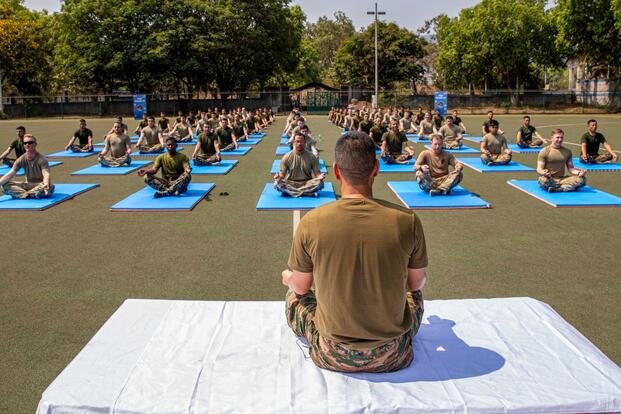
It’s widely known that reducing all types of stress can be done with sufficient sleep, proper nutrition and consistent physical activity. However, working out, eating and sleeping your way through chronic stress is not enough. Whether it’s life stress, work stress or physically training too hard with poor recovery, you may need other interventions, such as fun hobbies, learning to establish boundaries between work and personal life, and relaxation techniques (breathing, mindfulness, prayer, etc.). If you find yourself still feeling overwhelmed after implementing the above stress-reducing activities, seeking support through trusted relationships or counseling with mental health professionals should be considered.
Chronic stress is not something you can eat, sleep or work out of your system, according to Stanford physicians. In fact, people with high psychological stress had 45% higher odds of metabolic syndrome. When stress stays elevated for months or years without change, your body accumulates allostatic load. Many find weight loss very difficult due to hormonal issues, even if they work out 5-6 hours a week, eat right and sleep well. While the physiological interventions will help (sleep, nutrition, exercise), the strongest evidence shows that learning to relax through mindfulness, cognitive-behavioral therapy and deep breathing practices are needed supplements when stress is too high.
Adjustment to Physical Training Helps
The last thing you need when you are over-stressed is a butt-kicking workout that increases physical stress. Go easy to work off the work/life stress with lower-intensity training. Even if you compete in sports and other athletic competitions, you may want to diversify your training to work on different elements at a beginner’s level. But we all should always have an “off-season” scheduled in our training.
Too many focus on one element of fitness that they are good at, typically struggling with something different. For instance, a person who only lifts weights is plenty strong, but some people almost have a heart attack walking up a flight of stairs. This lack of diversity in training causes extra stress on the body.
Change your workouts with the seasons to adjust to longer/shorter days and weather, and to maintain a wide range of fitness components. Avoid just getting great at one thing. Make sure to mix in other activities every other cycle to avoid burnout in a single activity. For instance, a runner who likes to compete in races will run more than most people. But to avoid common overuse injuries and mental/physical burnout, cross-train with weights for a cycle or two (4-6 weeks) while reducing running. Keep up cardio with non-impact cardio options if you wish.
Many tactical athletes and fitness enthusiasts alike change focus every quarter (season). For instance, lift heavy, run less in the winter. Build up more calisthenics and cardio in the spring and summer. Then, downshift running and calisthenics reps in the fall to prepare for the winter lift cycle again. The seasonal shifts create a bell-curve approach to multiple elements such as strength, power, speed, agility, muscle stamina, endurance, flexibility and mobility.
By adopting this holistic, tactical training model, you can become a greater asset in any situation, whether natural or man-made. You also allow the body and mind to recover from one type of stress before applying another, maintaining motivation and long-term progress without plateauing or injury. This teaches us how to adjust our behavior and activities to manage stress.
Eat and Sleep Better, But You May Need More for Recovery
The two main recovery tools we have as humans are eating nutritious meals and getting good sleep. Restorative sleep and making good food choices are helpful with the everyday stress that life and work bring. However, if you miss out on consistent good nutrition and sleep, or encounter more stress than usual, you may need support in learning to manage stress before it becomes chronic and leads to disease, through the stress-reduction programs mentioned above. Often, you do not even realize you are in a higher-stress state than usual. Most high achievers stay in this mode for years. But if you find that the normal stress reduction methods of exercise, nutrition and sleep are not working with performance goals or weight loss goals, you may have deeper issues to manage.
Being open to these structured stress management interventions may help you when you cannot manage stress through exercise and normal recovery methods alone. Whether you decide to pray, practice mindfulness, meditate with deep breathing or seek cognitive-behavioral counseling, all have been shown to help relieve stress and improve mental health, depending on your specific stressors.
Want to Learn More About Military Life?
Whether you’re thinking of joining the military, looking for fitness and basic training tips, or keeping up with military life and benefits, Military.com has you covered. Subscribe to Military.com to have military news, updates and resources delivered directly to your inbox.
