


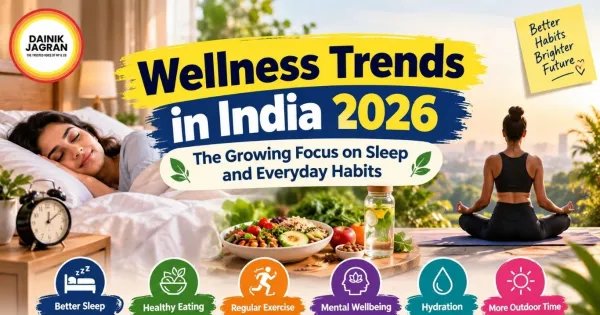
India’s wellness conversation is expanding beyond weight-loss goals and intense workout routines, with sleep, recovery, stress management and sustainable fitness habits receiving greater attention. The changing approach reflects a growing interest in making health part of everyday life rather than treating it as a short-term transformation project.
For years, fitness culture has often revolved around visible results, including weight reduction, muscle definition and demanding exercise schedules. In 2026, a broader understanding of wellness is becoming increasingly visible, encompassing physical activity, nutrition, emotional well-being and adequate rest.
The shift does not mean conventional exercise has lost its importance. Instead, it highlights the need to balance physical effort with recovery and routines that people can maintain over time.
Sleep Becomes an Essential Part of Wellness
Sleep is emerging as a central part of conversations about everyday health. Long working hours, commuting, late-night screen use and irregular schedules can make it difficult for people to maintain consistent sleeping patterns.
For working professionals and students, improving sleep habits may begin with simple adjustments, such as maintaining a regular bedtime, reducing stimulating activities before sleeping and making sufficient time for rest.
Sleep-tracking applications and wearable devices can help users observe their routines, although their estimates should not be treated as medical diagnoses. Persistent sleep difficulties or excessive daytime tiredness may require professional evaluation.
The growing attention to sleep also challenges the idea that productivity depends on sacrificing rest. A sustainable lifestyle must account for the body’s need to recover rather than relying entirely on motivation and discipline.
Recovery Moves Beyond Athletes
Recovery is another important part of the changing wellness conversation. Rest days, appropriate nutrition, hydration and gradual increases in exercise intensity can help people maintain physical activity without unnecessarily pushing themselves.
Practices such as yoga, walking, stretching and mobility exercises can complement more demanding workouts, depending on individual needs and fitness levels.
Specialised recovery services and equipment have also attracted attention. However, expensive equipment and elaborate routines are not essential starting points for most people. Regular sleep, manageable exercise and balanced meals remain practical foundations.
Hormone Health and Personalised Wellness
Discussions around menstrual health, menopause and other hormone-related concerns have become more visible in lifestyle content. Greater awareness can encourage people to seek appropriate medical advice instead of dismissing persistent symptoms.
However, fatigue, weight changes and sleep disturbances can have several causes. Social media content should not be used to diagnose a hormonal problem or justify unnecessary testing and supplements.
Medical guidance remains important when symptoms persist or affect daily life.
A More Practical Approach to Everyday Health
For Indian households, sustainable wellness does not necessarily require expensive memberships or imported products. Regular home-cooked meals, daily movement, sufficient sleep and time away from screens can form the basis of a manageable routine.
The challenge is consistency. An elaborate programme may appear attractive but become difficult to maintain alongside work, family responsibilities and commuting.
As wellness trends continue to evolve, the more useful question may not be how quickly a person can transform their appearance, but whether their daily habits support long-term well-being.
