


Welcome to the Good News Roundup for July 20, 2026
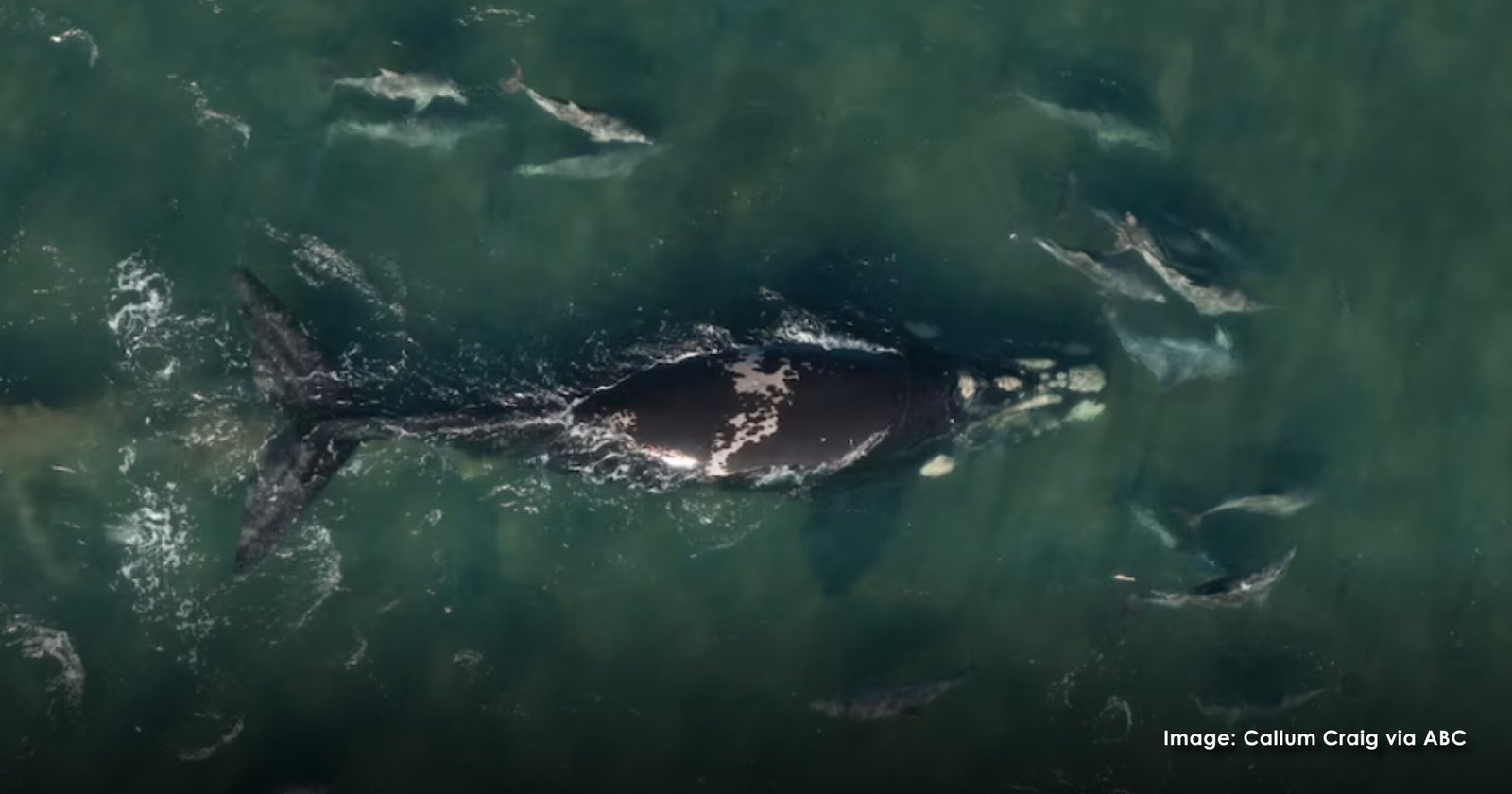
Dolphin pods help guide whale to safety
A juvenile southern right whale stranded in Western Australia’s Peel-Harvey Estuary for more than two weeks has successfully made its way back to the open ocean, thanks in part to local dolphins.
The 10 metre whale, affectionately dubbed ‘Gail the Whale’, was guided through deeper waters by pods of dolphins, following heavy rains and a high tide.
Marine researchers had grave concerns the whale would have died had it not managed to make its way back to deeper waters.
Read more here.
New cancer treatment returns near 100-percent cure rates in mice
Australian researchers are a step closer to trialling a promising new cancer treatment after securing $17.7 million in funding to take it into human trials.
Developed at Melbourne’s Peter MacCallum Cancer Centre, the CAR T-cell therapy achieved near-100 percent cure rates in some preclinical mouse models.
The therapy will first be trialled in patients with multiple myeloma, with hopes it could later be expanded to solid tumours including breast and lung cancers.
Read more here.
Teenage boy stops to care for dementia sufferer lost in scorching Arizona heat
A 14 year old boy in Arizona is being recognised for stepping in to help an elderly dementia sufferer who became lost and disoriented on her way home from the grocery store.
Royal Cothrun’s smart glasses captured his efforts in coming to the lady’s aid when he spotted her confused and sweating in temperatures pushing 40 degrees Celsius.
Royal helped guide the woman to shade and stayed with her until she could remember her son’s phone number.
See the footage here.
Millions of mosquitoes to be released to combat existing mosquito problem
Millions of sterile male mosquitoes could be released in California and Florida to help address disease-spreading mosquito populations.
The approach uses naturally occurring Wolbachia bacteria to prevent successful breeding, gradually reducing populations of mosquitoes that spread diseases including dengue and Zika.
The program has already shown promising results in Singapore, where mosquito populations fell by 80-90% and dengue cases dropped by more than 70% in targeted areas.
Read more here.
