


Lifestyle
-Oneindia Staff
Updated: Friday, July 3, 2026, 8:11 [IST]
Stress is common for many men in India. It can come from work, money, family, or health. Good stress management for men starts with noticing early signs. Then you can take simple steps to lower strain. This article explains clear ways to handle stress, improve men’s mental health, and reduce the risk of burnout.
Stress can show up in the body and mind. You may feel tired, tense, or get headaches. Some men feel angry, restless, or low. Sleep may get worse and focus may drop. You may also avoid people or lose interest in hobbies. These signs can also link to anxiety and depression.
Work pressure is a major cause of stress. Long hours and job fear add strain. Money stress can build fast with loans and bills. Family duties and care needs may also feel heavy. Health issues, pain, or poor fitness can add worry. Social pressure to “stay strong” can stop men from sharing.
Fast steps you can use today
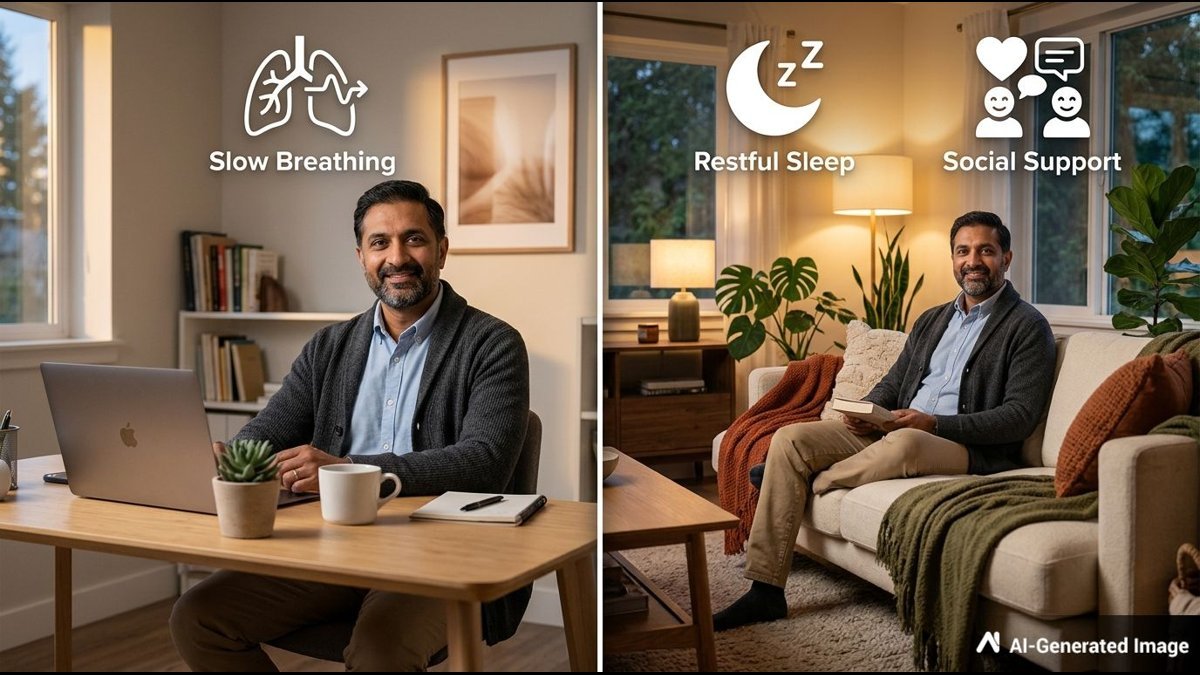
If stress feels high, try a short reset. Take ten slow breaths and relax your shoulders. Drink water and eat a light snack if needed. Step away from screens for a few minutes. Write down the main worry in one line. Then list one small action you can do next.
Daily habits that support stress control
Small daily habits make stress easier to handle. Keep a simple plan for the day. Pick three key tasks and do them first. Take short breaks every hour. Try to get morning light and some fresh air. Keep phone time low before bed. These steps support calm and better focus.
Managing work stress and burnout
Work stress can lead to burnout if it stays high. Set clear work hours where possible. Break large tasks into smaller parts. Speak to your manager about goals and timelines. Avoid doing all urgent work alone. Use leave when you can. If you work shifts, protect rest time on off days.
Handling stress from family and relationships
Family stress often links to time and money. Try regular, short talks with your partner or family. Use clear words about what you can do. Ask for help with chores or care work. If there is conflict, avoid shouting and take a pause. A calm plan can lower daily strain.
Sleep and stress management
Poor sleep can raise stress the next day. Aim for a steady sleep and wake time. Keep the room cool, dark, and quiet. Stop heavy meals late at night. Limit tea or coffee after mid-afternoon. If thoughts race, write them down on paper. Seek help if snoring is loud or sleep stays poor.
Food, alcohol, and smoking
Food choices can affect mood and energy. Try regular meals with fruit, veg, and protein. Cut down on sugary snacks that cause energy dips. Alcohol may seem calming but can worsen sleep and anxiety. Smoking can raise heart rate and tension. If you want to cut down, ask a doctor about safe support.
Exercise for stress relief
Exercise is a proven stress reliever for many men. Aim for brisk walking, cycling, or swimming. Even 20 minutes can help. Add simple strength moves like squats and push-ups. Stretch tight areas like neck and back. Start slow if you are new or have pain. Stop if you feel chest pain or dizziness.
Mindfulness and simple relaxation skills
Mindfulness can help you notice stress without reacting fast. Try a two-minute body scan from head to toe. You can also use box breathing: inhale four counts, hold four, exhale four, hold four. Keep attention on breath, not thoughts. Yoga and guided audio can also help, if done most days.
Social support and talking about stress
Many men keep stress to themselves. This can make problems feel bigger. Talk to a trusted friend, partner, or family member. Use plain words like, “I feel stressed and need support.” Plan a short meet or call each week. Join a sports group or local club. Social support improves coping and lowers isolation.
When to seek professional help
Get help if stress lasts weeks and harms daily life. Seek support if you have panic, low mood, or anger often. A GP can check sleep, blood pressure, and other health issues. A counsellor or psychologist can teach coping skills. Therapy can help with anxiety and depression. Get urgent help if you think of self-harm.
How to support another man who is stressed
If a friend seems stressed, start with a private chat. Ask open questions and listen more than you speak. Avoid judging or giving quick fixes. Offer a small, clear help, like a walk or a call. If you see heavy drinking or talk of self-harm, urge professional help. Stay in touch after the first talk.
