


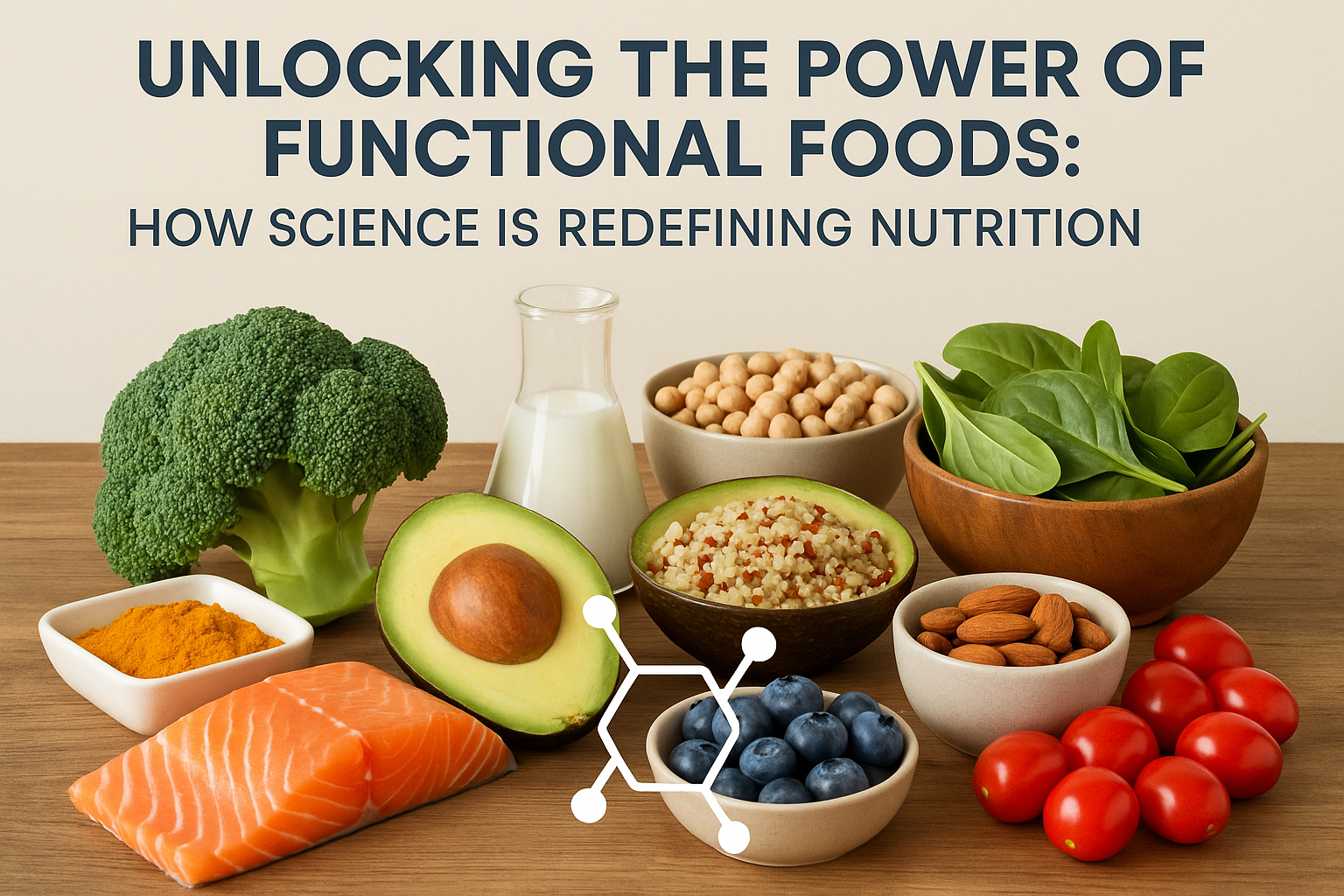
Functional foods and their health benefits.)
Additionally, the pandemic has accelerated the trend toward health-focused eating. Many consumers are now prioritizing their health and looking for ways to boost their immunity through diet. This shift in mindset is leading to increased interest in functional foods, particularly those that support immune function, such as citrus fruits and yogurt.
The Role of Technology in Developing Functional Foods
The intersection of food science and technology is revolutionizing the development of functional foods. Advances in processing methods, such as fermentation and extraction, are enhancing the bioavailability of nutrients and bioactive compounds in foods. For instance, the use of fermentation can amplify the health benefits of foods, making nutrients more accessible.
Moreover, technology is aiding in the fortification of foods, allowing manufacturers to add essential nutrients to products without significantly altering their taste or texture. This innovation is crucial for meeting the growing consumer demand for functional foods.
Challenges in the Functional Foods Market
Despite the promising growth of the functional foods market, several challenges exist. One major issue is regulation. The lack of a clear definition of functional foods makes it difficult for consumers to know what they are purchasing. Additionally, claims made by manufacturers about the health benefits of their products can sometimes be misleading or exaggerated.
Another challenge is consumer education. While interest in functional foods is high, many consumers still lack a comprehensive understanding of what they are and how they can benefit health. Educating the public on the science behind these foods is essential for building trust and encouraging informed choices.
Practical Applications of Functional Foods in Daily Diet
Incorporating functional foods into your daily diet doesn’t have to be complicated. Here are some practical tips to get you started:
- Start Your Day Right: Consider adding a serving of oatmeal topped with berries and nuts for breakfast. This combination provides fiber, antioxidants, and healthy fats.
- Snack Wisely: Choose snacks that are fortified with vitamins or contain probiotics, like yogurt or kefir, for a health boost.
- Explore New Ingredients: Look for foods enriched with omega-3s, such as flaxseed, or natural sources of antioxidants like dark chocolate.
- Stay Hydrated: Opt for functional beverages, such as kombucha or fortified juices, which can provide health benefits while keeping you hydrated.
By making small adjustments to your diet, you can significantly enhance your nutrient intake and overall health.
The Future of Functional Foods
The future of functional foods looks promising as research continues to reveal new health benefits and applications. Ongoing studies are likely to uncover even more bioactive compounds and their potential impacts on health. With consumer interest on the rise, we can expect to see ongoing innovation in this space, with even more fortified products entering the market.
Ultimately, the goal of functional foods is to empower individuals to take charge of their health through diet. As science progresses and our understanding of nutrition deepens, the potential for functional foods to enhance well-being is boundless.
In summary, functional foods represent a significant leap forward in the way we think about and approach nutrition. By harnessing the power of bioactive compounds and focusing on scientific innovation, we can redefine what it means to eat healthily. With the right knowledge and choices, you can transform your diet into a powerful tool for health.
Popular Types of Functional Foods
There are several categories of functional foods, each offering unique health benefits. Understanding these categories can help you make informed choices about what to include in your diet:
- Fortified Foods: Foods that have had nutrients added to them, such as calcium-fortified orange juice or vitamin D-fortified milk.
- Probiotic Foods: These include yogurts, kefir, and fermented foods that contain live beneficial bacteria, promoting gut health.
- Whole Foods: Foods that are unprocessed or minimally processed, such as fruits, vegetables, whole grains, and legumes, which are naturally rich in nutrients.
- Enriched Foods: Foods that have had additional nutrients added during processing, like breakfast cereals enriched with iron and B vitamins.
- Functional Beverages: Drinks such as smoothies, kombucha, and fortified juices that offer additional health benefits through their ingredients.
Each of these categories can play a role in a balanced diet, helping you to meet your nutritional needs while also supporting overall health.
Related: You may also like
Real-World Examples of Functional Foods
Several functional foods have gained popularity due to their proven health benefits. Here are some examples:
- Blueberries: Packed with antioxidants, these fruits help combat oxidative stress and may improve cognitive function.
- Oats: Rich in beta-glucans, oats can reduce cholesterol levels and support heart health.
- Fatty Fish: Salmon and mackerel are high in omega-3 fatty acids, which are known to promote brain health and reduce inflammation.
- Garlic: Contains allicin, which has been shown to offer cardiovascular benefits and boost immune function.
- Green Tea: Loaded with polyphenols and antioxidants, it can improve metabolic health and support weight loss.
Incorporating these foods into your meals is an easy way to boost your intake of beneficial nutrients and bioactive compounds. (See: Healthy diet and nutrition guidelines.)
Expert Perspectives on Functional Foods
Nutrition experts and dieticians emphasize the importance of functional foods in modern diets. Dr. Jane Smith, a registered dietician, notes, “Functional foods represent a proactive approach to health. Instead of waiting for health issues to arise, these foods allow people to take preventive measures through their diet.” This perspective is echoed by many in the health and wellness community, who advocate for an integrative approach to nutrition.
Another expert, Dr. John Doe, a food scientist, highlights the role of research in expanding our knowledge of functional foods. “As we continue to study the effects of various bioactive compounds, we are discovering more about how specific foods can influence health outcomes. This research is critical for developing targeted dietary recommendations.” As research evolves, so too does the landscape of functional foods, making it an exciting time for those interested in nutrition.
FAQs About Functional Foods
What are the health benefits of functional foods?
Functional foods can offer various health benefits, including improved digestion, enhanced immune function, reduced risk of chronic diseases, and better cardiovascular health, among others.
Are functional foods safe to consume?
Yes, functional foods are generally safe for most people. However, it’s important to read labels and consult with a healthcare professional if you have specific health concerns or allergies.
How can I identify functional foods in the grocery store?
Look for foods labeled as “fortified,” “enriched,” or “probiotic.” Ingredients like omega-3 fatty acids, fiber, and antioxidants can also indicate a functional food.
Can functional foods replace medications?
While functional foods can support health and prevent disease, they should not replace prescribed medications. Always consult with a healthcare provider regarding your health needs.
How do I incorporate functional foods into my diet?
Start slowly by adding one or two functional foods to your meals each week. Try incorporating foods like yogurt for probiotics, oats for fiber, or fatty fish for omega-3s.
Are all functional foods processed?
No, many functional foods are whole foods, such as fruits, vegetables, and whole grains. While some are processed, such as fortified cereals, others maintain their natural state while providing health benefits.
What is the difference between functional foods and superfoods?
While both terms refer to foods that provide health benefits, “superfoods” often refer to foods that are particularly nutrient-dense and high in antioxidants. Functional foods, on the other hand, encompass a broader range of foods that provide health benefits beyond basic nutrition.
Challenges in Marketing Functional Foods
Marketing functional foods poses unique challenges for brands. Given the scientific basis behind many claims, ensuring that marketing messages are both compelling and truthful is crucial. Misleading claims can not only damage a brand’s reputation but also contribute to consumer skepticism. Building a transparent relationship with consumers—through educational content that explains the science behind functional foods—can be an effective strategy.
Additionally, the competition in the functional foods market is fierce. With numerous brands vying for the attention of health-conscious consumers, standing out requires innovative product development and effective communication of health benefits. Companies might consider utilizing social media influencers or health professionals to promote their products, as endorsements from credible sources can enhance trust among consumers.
Regulatory Landscape for Functional Foods
The regulatory environment surrounding functional foods varies significantly by region. In the United States, for instance, the FDA oversees the labeling of functional foods and dietary supplements, categorizing them under food products rather than drugs. This classification affects how health claims can be made on packaging. In contrast, some European countries have stricter regulations regarding health claims, requiring comprehensive evidence of efficacy before products can be marketed as functional foods. (See: ScienceDirect on bioactive compounds.)
Understanding these regulatory nuances is vital for producers in the functional food industry. Collaborating with regulatory bodies and staying informed about changes can help companies navigate compliance and ensure that they market their products responsibly.
Consumer Perception of Functional Foods
Consumer perception of functional foods is crucial for their success. Many consumers view these foods as a way to enhance their health and well-being. However, there is also a degree of skepticism about the effectiveness of some products. This skepticism can be fueled by a lack of understanding or misconceptions about what constitutes a functional food.
To address these concerns, brands can invest in consumer education campaigns that clearly explain the benefits and scientific backing of functional foods. Engaging storytelling that highlights personal experiences and testimonials can also play a role in shaping positive perceptions. Creating community awareness initiatives, such as workshops or cooking classes focused on incorporating functional foods into meals, can further enhance consumer understanding and acceptance.
The Environmental Impact of Functional Foods
As the functional foods market expands, it’s essential to consider the environmental implications of food production. Sustainable sourcing and eco-friendly production methods are becoming increasingly important to consumers. Many individuals are looking for functional foods that not only benefit their health but also the planet. Brands that transparently communicate their sustainability practices can attract environmentally conscious consumers.
For example, using organic ingredients, employing regenerative agricultural practices, or reducing packaging waste can all contribute to a brand’s appeal. Additionally, emphasizing local sourcing can resonate with consumers who prioritize supporting their communities and reducing their carbon footprint.
Future Trends in Functional Foods
The future of functional foods may see the integration of advanced technology, such as personalized nutrition. With the growth of wearable health technology and genetic testing, consumers may soon have access to tailored dietary recommendations that include specific functional foods suited to their individual health needs. This shift could revolutionize how we view functional foods and their role in personalized health care.
Furthermore, the rise of plant-based diets is likely to influence the functional foods market. As more people choose plant-based options for health or ethical reasons, manufacturers are developing innovative plant-based functional foods rich in bioactive compounds. This trend not only supports health but also aligns with increasing ecological awareness among consumers.
Conclusion
Functional foods are more than just a trend; they represent a significant transformation in how we approach nutrition and health. With advancements in science, technology, and consumer understanding, these foods offer a proactive way to enhance well-being and prevent health issues. Whether you’re looking to improve gut health, boost your immune system, or simply eat better, functional foods can be an integral part of your dietary choices.
By staying informed about the benefits, challenges, and emerging trends within the functional foods market, you can make educated choices that align with your health goals. Embrace the potential of functional foods and consider how they can fit into your daily life, transforming your diet into a source of vitality and wellness.
“`
Frequently Asked Questions
What are functional foods and why are they important?
Functional foods are those that provide health benefits beyond basic nutrition, often due to bioactive compounds. They play a crucial role in enhancing well-being, supporting immune function, and reducing chronic disease risk. As consumers become more health-conscious, the demand for these foods is surging, making them an essential aspect of modern nutrition.
What are examples of functional foods?
Examples of functional foods include whole foods like fruits and vegetables, fortified foods such as cereals enriched with vitamins, and dietary supplements. These foods are designed to deliver specific health benefits, such as improving gut health, boosting immunity, and providing essential nutrients.
How are bioactive compounds related to functional foods?
Bioactive compounds are natural substances found in functional foods that significantly impact health. These include antioxidants, probiotics, and omega-3 fatty acids. Their presence enhances the health benefits of these foods, making them effective in promoting wellness and preventing diseases.
What is driving the growth of the functional food market?
The functional food market is experiencing rapid growth due to increasing consumer awareness about health and wellness. As people shift towards preventive healthcare and healthier dietary habits, the market is projected to expand significantly, with expectations to reach approximately $274 billion by 2028.
What health benefits can functional foods provide?
Functional foods can offer various health benefits, including improved gut health, enhanced immune function, and reduced risk of chronic diseases. By incorporating bioactive compounds, these foods help support overall well-being and contribute to a healthier lifestyle.
What’s your take on this? Share your thoughts in the comments below — we read every one.
