


CDC on sleep and health.)
Societal Implications: A Call for Change
The data presented by Dr. Wilson highlights an urgent societal issue. If 72% of young adults facing mental health crises are also sleep-deprived, we must ask ourselves what systemic changes are needed to address the root causes of this problem. It’s not just about individual behavior; there’s a broader cultural shift that needs to occur.
Workplaces should foster environments that prioritize mental health and well-being. This can include flexible work hours, mental health days, and promoting a culture that values rest just as much as productivity. Schools and universities also play a critical role in shaping healthy sleep habits. By integrating sleep education into curriculums, they can inform students about the importance of sleep for mental and emotional health.
Real-Life Stories: The Impact of Sleep Deprivation
To understand the real impact of sleep deprivation on mental health, consider the stories shared by young adults struggling with these issues. For example, Sarah, a 24-year-old graduate student, experienced a significant decline in her mental well-being as her sleep hours decreased to less than five a night. “I thought I could power through it, but I ended up feeling anxious and overwhelmed,” she recounts. “It got to a point where I couldn’t concentrate on my studies at all.”
Similarly, Mark, a 28-year-old professional, found himself trapped in a cycle of sleeplessness and anxiety. “I was working long hours and then scrolling through my phone late at night. I didn’t realize how much it was impacting my mood until I hit a wall of anxiety,” he recalls. These stories reflect the struggles faced by many young adults and emphasize the need for awareness and change.
Future Directions: Research and Awareness
The findings of Dr. Wilson’s study signal a need for further research into the connection between sleep deprivation and mental health. Future studies could explore how different demographics experience this relationship and identify effective interventions. Increased funding for mental health resources, particularly those focusing on sleep education, could play a crucial role in addressing this crisis.
Moreover, raising public awareness about the importance of sleep is essential. Campaigns that highlight the dangers of sleep deprivation could encourage young adults to prioritize their sleep as a foundational element of their mental health. The more we talk about this issue, the more likely individuals are to take it seriously.
The Bottom Line: Prioritize Sleep for Mental Health
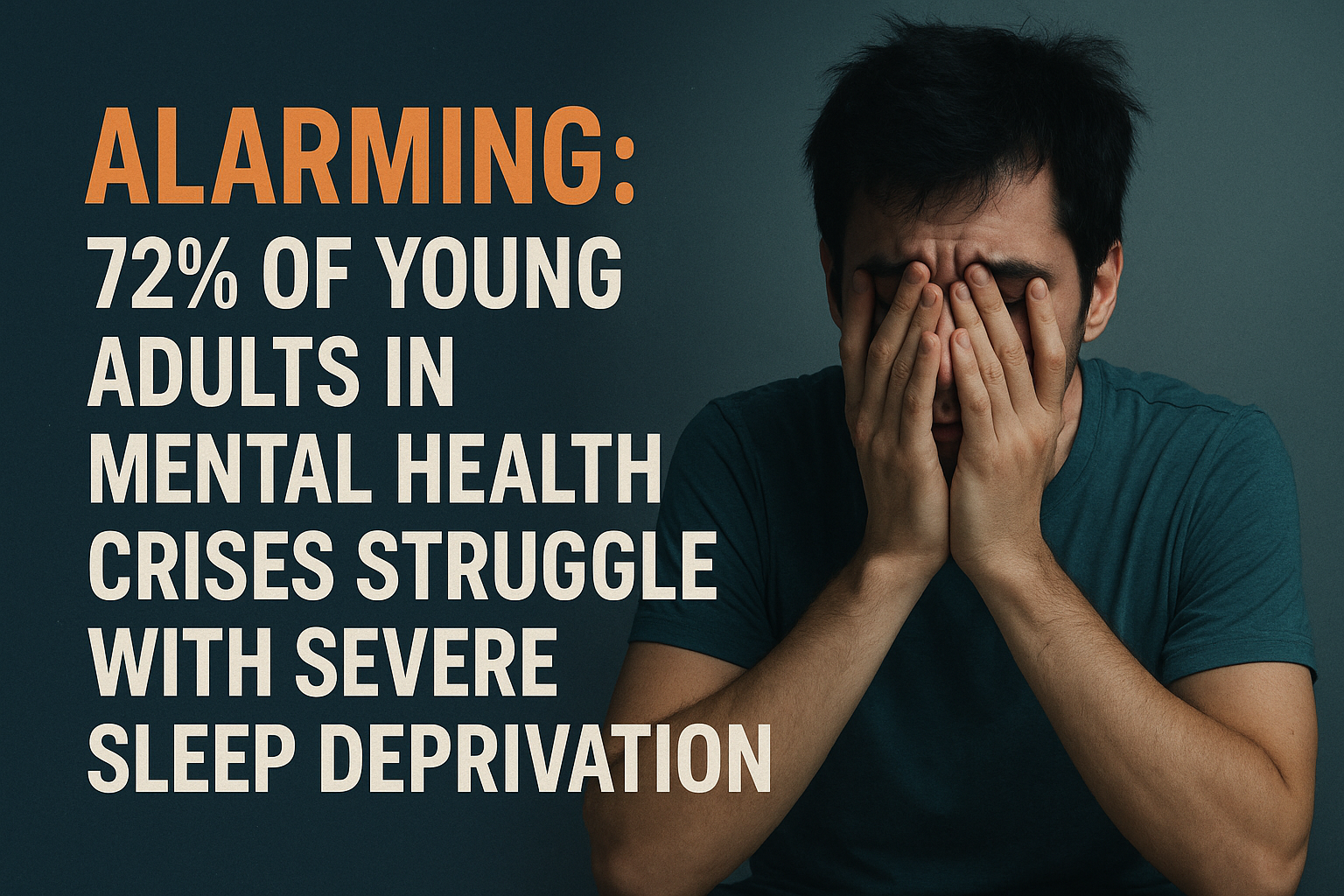
The data is clear: sleep deprivation has a profound impact on mental health, particularly among young adults. With 72% of those in mental health crises reporting inadequate sleep, it’s time for all of us to recognize the critical role that rest plays in our emotional well-being. By prioritizing sleep and advocating for systemic changes, we can help foster a healthier, more resilient generation.
Ultimately, as individuals and as a society, we have the power to change the narrative around sleep and mental health. By understanding the link between sleep deprivation and mental health, we can take meaningful steps towards recovery and emotional stability. Let’s not allow the cycle of sleeplessness to dictate our lives any longer.
Understanding the Science of Sleep
To fully grasp the importance of sleep, it’s essential to understand the science behind it. Sleep is divided into several stages, including REM (rapid eye movement) and non-REM sleep. These stages are crucial for various physiological processes, such as memory consolidation, emotional regulation, and physical recovery.
During REM sleep, our brains are active, and this stage is believed to be vital for processing emotions. Studies show that individuals deprived of REM sleep experience heightened emotional reactivity, which can make them more prone to anxiety and mood disorders. On the other hand, non-REM sleep plays a critical role in physical restoration and immune function.
Research published in the journal Sleep indicates that a lack of sleep can lead to increased levels of the stress hormone cortisol, which can further exacerbate mental health issues. This biological response serves as a reminder of just how interconnected our physical and mental health truly are.
Related: You may also like
Comparing Sleep Needs: Different Age Groups
While sleep deprivation is a pressing concern among young adults, it’s important to recognize that sleep needs vary among different age groups. According to the National Sleep Foundation, young adults aged 18-25 need about 7-9 hours of sleep per night, while adults aged 26-64 require 7-9 hours as well. However, older adults (65+) may only need about 7-8 hours.
Comparatively, teenagers need even more—around 8-10 hours per night. This highlights the critical need for sleep education in schools, where students often face heavy academic workloads and early start times. The difference in sleep needs emphasizes that sleep deprivation can affect students at all levels, leading to widespread mental health challenges. (See: NIMH statistics on mental health.)
Sleep Deprivation and Academic Performance
Sleep deprivation doesn’t just impact mental health; it can significantly hinder academic performance. Studies show that students who sleep less than the recommended hours tend to have lower grades, diminished concentration, and poorer retention of information. For instance, a study conducted by the American Academy of Sleep Medicine found that students with sleep problems scored significantly lower on tests compared to their well-rested peers.
In stressful academic environments, this can create a detrimental feedback loop—students may sacrifice sleep to keep up with studies, but this lack of sleep ultimately affects their academic performance, which can lead to increased stress and further sleeplessness.
Workplace Strategies for Better Sleep Hygiene
As workplaces evolve, it’s crucial to incorporate strategies that promote better sleep hygiene among employees. Here are some effective approaches:
- Flexible Work Hours: Allowing employees to choose their schedules can help them align their work hours with their natural sleep cycles.
- Wellness Programs: Implementing programs that educate employees on the importance of sleep and offer resources for better sleep hygiene.
- Rest Areas: Creating quiet spaces where employees can rest or take short naps can boost overall productivity and mental health.
- Encourage Open Discussions: Fostering an environment where discussing mental health and sleep is normalized can reduce stigma and encourage individuals to seek help.
Tips for Parents: Supporting Healthy Sleep in Children
Parents play a crucial role in establishing sleep routines for their children, which can set the foundation for healthy sleep habits into adulthood. Here are some tips for parents:
- Set a Consistent Bedtime: Establishing a regular bedtime helps children’s bodies learn when it’s time to sleep.
- Limit Screen Time: Encourage children to turn off electronic devices at least an hour before bed to minimize blue light exposure.
- Create a Calming Environment: Make bedrooms conducive to sleep by keeping them dark, cool, and quiet.
- Normalize Sleep Discussions: Teach children about the importance of sleep for their health and well-being, just like nutrition and exercise.
FAQ: Common Questions About Sleep Deprivation and Mental Health
1. What are the signs of sleep deprivation?
Signs of sleep deprivation can include excessive daytime sleepiness, irritability, difficulty concentrating, mood swings, and increased anxiety. If you notice these symptoms, it may be time to examine your sleep habits.
2. How does sleep deprivation affect mental health?
Sleep deprivation can lead to increased levels of stress, anxiety, and depression. It can impair cognitive functions, making it harder to focus and remember information, ultimately affecting overall mental well-being.
3. Can improving sleep habits enhance mental health?
Yes, improving sleep habits can significantly enhance mental health. Quality sleep promotes emotional regulation and stress resilience, which can lead to reduced symptoms of anxiety and depression.
4. How much sleep do adults need?
Most adults need between 7-9 hours of sleep per night for optimal health and functioning. However, individual needs may vary based on factors such as lifestyle and overall health.
5. What are some effective sleep aids?
While it’s best to focus on natural methods for improving sleep, some may find benefit from herbal supplements like melatonin or valerian root. It’s always advisable to consult with a healthcare provider before starting any new supplements.
6. How can employers support their employees’ sleep health?
Employers can support sleep health by promoting flexible work schedules, offering wellness programs that include sleep education, and fostering an open environment for discussing mental health challenges.
7. What role does diet play in sleep quality?
Diet can significantly impact sleep quality. Foods rich in magnesium and tryptophan can aid sleep, while caffeine and high-sugar foods can disrupt it. Maintaining a balanced diet and avoiding heavy meals before bedtime is advisable. (See: WHO on mental health response.)
Exploring the Link Between Sleep Deprivation and Chronic Health Issues
It’s not just mental health that suffers from chronic sleep deprivation. Research indicates that it can also contribute to a host of chronic health issues, including obesity, diabetes, and cardiovascular disease. Studies have shown that sleep deprivation disrupts metabolic function and increases appetite, leading to weight gain. For instance, the American Journal of Clinical Nutrition published findings showing that people who sleep less than six hours per night have a greater propensity to consume high-calorie foods.
Furthermore, lack of sleep has been associated with increased inflammation levels in the body, which can exacerbate chronic conditions such as arthritis and heart disease. This makes it clear that addressing sleep deprivation is not only crucial for mental health but is also vital for overall physical health.
Community Initiatives for Promoting Better Sleep
Community-level initiatives can play a significant role in addressing the issue of sleep deprivation among young adults. Local health organizations can host workshops focusing on sleep hygiene, mental health awareness, and the importance of rest. These workshops can provide valuable resources and practical strategies for individuals to improve their sleep habits.
Additionally, community campaigns that promote sleep health can engage young people through social media, creating a dialogue about the importance of sleep. By utilizing popular platforms, these initiatives can resonate with younger audiences, making the topic more relatable and urgent.
Understanding the Societal Pressure to Always Be Productive
In today’s society, there is a pervasive culture of productivity that often glamorizes busyness. Young adults may feel the pressure to be constantly available, leading them to sacrifice sleep for work or social obligations. This mindset can create a harmful cycle where sleep is viewed as a luxury rather than a necessity.
Challenging this narrative is crucial. Societal attitudes toward work-life balance need to evolve. Companies that emphasize the importance of downtime and rest can foster healthier habits among their employees. When organizations model a culture that values sleep, it can encourage individuals to prioritize their well-being over societal expectations.
Moving Towards a Culture of Rest
The future of mental health relies heavily on our ability to address sleep deprivation. By fostering environments—whether at home, in schools, or workplaces—that prioritize rest and recognize its significance, we can create a culture that values health and well-being. It’s about time that we shift our focus from constant productivity to embracing a more balanced lifestyle that champions sleep as foundational to our overall health.
The Path Forward: Emphasizing Well-Being and Rest
As our understanding of sleep deprivation and its impact on mental health deepens, it’s crucial for society to embrace a holistic approach to well-being. This includes not only advocating for better sleep but also recognizing the interconnected nature of physical, emotional, and mental health. By fostering an environment that prioritizes rest and promotes healthy sleep habits, we can help individuals reclaim their mental wellness and lead fulfilling lives.
“`
Frequently Asked Questions
How does sleep deprivation affect mental health?
Sleep deprivation can significantly exacerbate mental health issues such as anxiety and depression. It disrupts emotional processing and memory consolidation, leading to heightened stress and emotional instability, particularly in young adults who are already vulnerable.
What percentage of young adults experience sleep deprivation?
According to a recent study, 72% of young adults experiencing mental health crises report severe sleep deprivation, averaging less than six hours of sleep per night, which is concerning for their overall well-being.
Why are young adults not getting enough sleep?
Many young adults sacrifice sleep due to the pressures of academic and professional life, prioritizing productivity over rest. Additionally, technology usage, including constant notifications and blue light exposure, disrupts their natural sleep patterns.
What role does sleep play in emotional stability?
Sleep is crucial for emotional stability as it allows the brain to process emotions, consolidate memories, and clear toxins. Insufficient sleep can lead to the worsening of existing mental health conditions and the emergence of new disorders.
What can be done to improve sleep quality among young adults?
Improving sleep quality among young adults can involve setting a regular sleep schedule, reducing screen time before bed, creating a restful environment, and prioritizing relaxation techniques to manage stress and anxiety.
Agree or disagree? Drop a comment and tell us what you think.
