


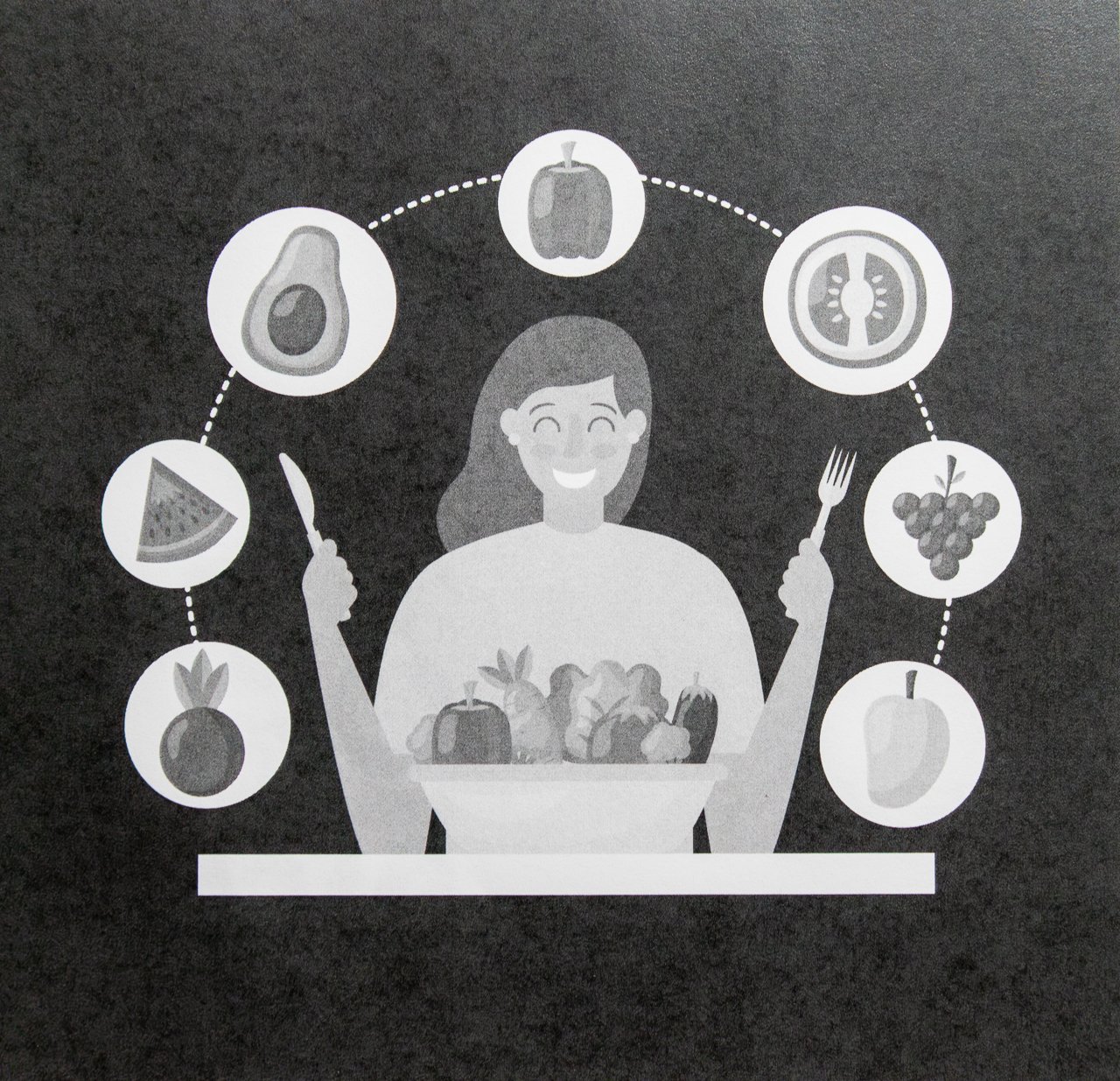
Proper nutrition and properly fueling your body is a key part to feeling your best both mentally and physically.
In college many people seem to constantly be in a rush and are focusing on school, what assignments need to get done, studying for exams, and other extracurricular events. Because of this, nutrition often gets put on the bottom of many students’ priority lists. Finding themselves skipping meals, reaching for fast and convenient food and not properly fueling their bodies. However, many don’t realize that improperly fueling your body impacts your mood, energy, focus, and even academic ability. This is why understanding nutrition basics can help students not only perform their best but also feel their best.
While many college aged individuals do not focus on nutrition because it seems complicated to understand and the importance of it is overlooked, it can be the key to living your best life. Proper nutrition can help students feel and perform better both in and outside of the classroom by boosting overall mood, bodily and brain function, as well as supporting health.
“I can definitely tell a difference in how I feel both mentally and physically when I am properly fueling myself,” said Fr. Amelia Strong. “I feel like I have more energy to get through the day and be productive.”
Proper nutrition may seem like a daunting task, but when broken down it is easy for all people to follow. Having a basic understanding of the key nutrients our bodies need is one way that proper nutrition can seem like a more doable task.
Our bodies depend on macronutrients such as carbohydrates, proteins, and fats for fuel and to function properly. Carbohydrates are your bodies’ primary source of energy, proteins help with muscular repair, and fats help support your brain and other bodily functions. Additionally, micronutrients such as vitamins and minerals are also important for proper nutrition. These play a crucial role in your body ranging from protecting immunity and bodily and brain functions. Overall, the key to a nutritious diet is simple, aiming to eat a variety of foods in each category and practicing moderation rather than perfection in your diet.
Living on campus can cause healthy eating decisions to be more challenging. Navigating dining halls and vending machines, which often consist of highly processed food options, can take a toll on students’ nutritional health.
“One challenge that I did not expect when coming to college was finding meals that I enjoy and that are nutritionally good for me at the dining hall,” said Fr. Kate Christner. “Sometimes making smart nutritional choices can be hard at the dining hall because there are so many not so healthy food options that are hard to not choose.”
Being a college student poses additional nutritional challenges for students. Tight schedules running from class to class can make skipping meals easier, while stress and late-nights can cause late night snacking.
Even with a busy schedule, there are practical and simple ways to make proper nutrition a less daunting task. Some of these ways include being mindful about dining hall and snack options and meal prepping for the week.
“Keeping snacks in my room that are easy to grab on the go like yogurt, apples, and protein bars is a major way that I have been able to make sure I am properly fueling my body throughout the day and not accidentally skipping meals,” said Christner.
There are several ways for students to actively participate in learning more about nutrition, its importance, and how to make better nutritional choices right here on UND’s campus. Some of these opportunities involve participating in the Wellness Center Culinary Corner programs. Here, students are able to learn about nutrition and healthy recipes and take this information home with them to practice daily.
“The Culinary Corner has been a great resource to learn more about nutrition and get healthy recipe ideas for next year when I have to cook for myself,” said Christner.
Healthy eating does not have to be complicated and costly. For college students, even small, consistent changes can improve energy, focus, and overall well-being. By educating oneself on the importance of nutrition and the basic understanding of how to have a nutritious diet, individuals can make small changes that can help them feel their best today and in the future.
Sonya Skar is a Dakota Student General Reporter. She can be reached at [email protected].
