


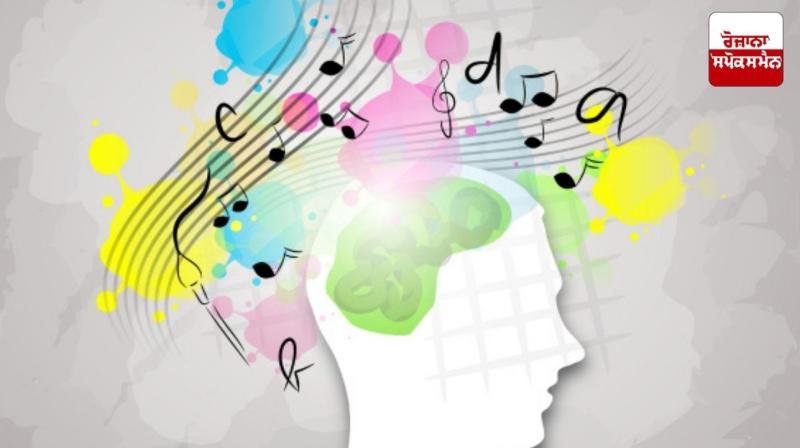
Why Music Is More Than Entertainment: Its Impact on Mind and Body
From reducing stress and anxiety to improving sleep and aiding dementia patients, music offers wide-ranging health benefits.
Music is a universal language that connects people across cultures, ages, and backgrounds. Whether it is a soothing melody after a stressful day, an energetic song during a workout, or a devotional hymn during prayer, music has the ability to influence our thoughts, feelings, and behaviour. Scientific research has shown that music affects the brain, improves emotional well-being, reduces stress, and even supports physical health. In today’s fast-paced world, where stress and anxiety are becoming increasingly common, music has emerged as a simple yet powerful tool for improving mental and emotional health.
How Does Music Affect the Brain?
When we listen to music, different parts of the brain become active. Music stimulates areas linked to emotions, memory, learning, and movement. It also triggers the release of chemicals such as dopamine, often called the “feel-good hormone,” which creates feelings of happiness and pleasure. At the same time, relaxing music can lower the level of cortisol, the hormone associated with stress. This is why a favourite song can instantly lift our mood or help us feel calm after a difficult day.
Music and Emotions
Music has a unique ability to express emotions that words often cannot. Slow and soft music can create feelings of peace, comfort, and relaxation, while fast and energetic music can increase excitement, motivation, and confidence. Emotional songs may remind people of happy memories, friendships, family, or important moments in life. At times, listening to sad music can even help people understand and process their emotions, making them feel less alone during difficult situations.
Health Benefits of Music
Music offers several physical and mental health benefits. It helps reduce stress, anxiety, and symptoms of depression by promoting relaxation. Listening to calming music before bedtime can improve sleep quality. During exercise, energetic music increases motivation and helps people perform better. Hospitals and healthcare centres also use music therapy to help patients manage pain, recover from illness, and improve emotional well-being. For older adults, music can stimulate memory and improve cognitive function, especially in people living with dementia.
Music in Everyday Life
Music plays an important role in our daily routine. Students often listen to soft instrumental music while studying to improve concentration. Many people start their mornings with devotional songs or motivational playlists to begin the day on a positive note. During celebrations such as weddings, festivals, and cultural events, music brings people together and strengthens social bonds. It also plays a major role in films, sports events, and religious ceremonies by creating the right atmosphere and enhancing emotions.
Can Music Have Negative Effects?
Although music has many benefits, excessive or inappropriate listening habits can have negative effects. Listening to very loud music for long periods can damage hearing. Constant use of earphones at high volume may also increase the risk of hearing problems. Songs with negative or aggressive lyrics may influence emotions and behaviour in some individuals. In addition, spending too much time listening to music while avoiding social interaction or responsibilities may affect daily life. Therefore, music should be enjoyed in a balanced and healthy way.
Choosing the Right Music
The effect of music depends on the listener’s mood, personality, and situation. Soft classical music, nature sounds, devotional music, and instrumental melodies are often helpful for relaxation and stress relief. Upbeat songs are useful during exercise or when extra motivation is needed. The best choice is music that makes the listener feel positive, calm, and emotionally balanced.
Music is much more than entertainment—it is a powerful source of healing, motivation, and emotional connection. It can reduce stress, improve mood, strengthen memory, and bring people together. While it cannot replace professional treatment for serious mental health conditions, music can become an important part of a healthy lifestyle. By choosing the right music and listening in moderation, people can improve their emotional well-being and make everyday life more joyful, peaceful, and meaningful.
Note: Rozana Spokesman does not verify this article; this information has been sourced from the internet.
end-of
