


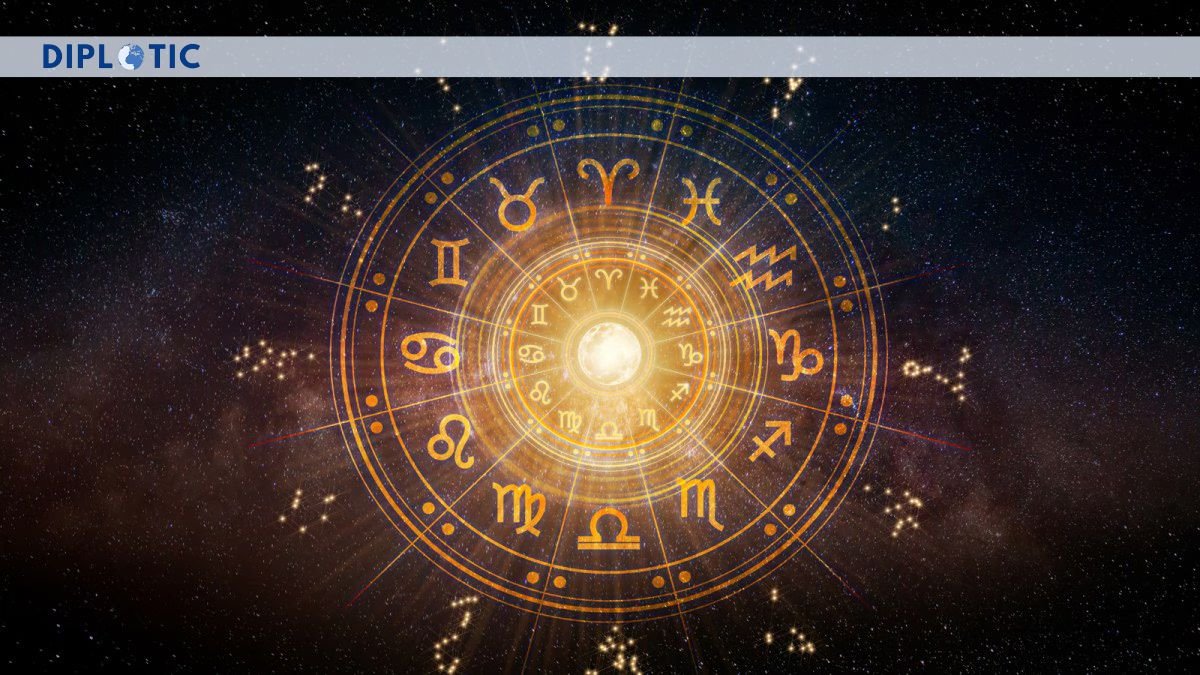
Daily horoscopes are trending again in 2026 as astrology surges across social media, wellness culture, and digital apps. Why Gen Z, millennials, and global audiences are turning to astrology for clarity, comfort, and cosmic insight.
The Powerful Revival of Astrology in 2026
In an era dominated by artificial intelligence, real-time data, and hyper-connected technology, one ancient practice is making a surprising and powerful comeback. Astrology particularly daily horoscopes is trending again in 2026, capturing the attention of millions across digital platforms.
Search interest in zodiac signs, birth charts, and planetary transits has surged globally. Horoscope apps are seeing record downloads. Social media feeds are filled with cosmic memes, astrology reels, and personalized star forecasts. What was once dismissed as superstition is now a mainstream cultural force.
The resurgence is not accidental. It reflects a deeper societal shift driven by uncertainty, digital identity, mental wellness trends, and the human desire for meaning in unpredictable times.
Uncertainty Fuels the Search for Cosmic Clarity
The modern world is navigating rapid transformation economic volatility, climate anxiety, political polarization, and technological disruption. In such unstable environments, people seek guidance and reassurance.
Daily horoscopes offer something powerful: structure in uncertainty. They provide a narrative framework that helps individuals interpret their experiences. Whether it’s a forecast about career momentum or emotional reflection, horoscopes create a sense of orientation.
Historically, astrology has thrived during turbulent periods. During the 20th century, horoscope columns in newspapers surged in popularity during global crises. Today, the pattern repeats only faster and more amplified through digital channels.
In 2026, astrology is not just entertainment; it has become a coping mechanism for navigating modern complexity.
Social Media: The Engine Behind Astrology’s Viral Surge
Platforms like TikTok and Instagram have played a catalytic role in astrology’s explosive revival. Bite-sized zodiac content, relatable memes, and viral birth chart analyses are dominating algorithm-driven feeds.
Astrology content thrives because it is highly shareable. A short video explaining Mercury retrograde effects can generate millions of views. Zodiac personality breakdowns invite instant engagement and tagging among friends.
Unlike traditional horoscope columns, social media astrology is interactive. Users comment, debate, remix, and reinterpret cosmic themes in real time. This participatory culture keeps astrology constantly trending.
Influencers specializing in astrology have also built powerful personal brands, blending cosmic insights with lifestyle, mental health advice, and motivational messaging.
The Rise of Hyper-Personalized Horoscope Apps
The astrology boom in 2026 is deeply tied to technological innovation. Horoscope apps now use sophisticated algorithms to generate highly personalized birth chart interpretations based on exact time and location of birth.
Platforms like Co–Star and The Pattern have redefined how users engage with astrology. Instead of generic sun-sign predictions, users receive detailed analyses based on planetary placements, houses, and aspects.
Push notifications deliver daily cosmic insights directly to smartphones. AI-enhanced astrology platforms analyze planetary movements in real time, offering tailored advice about relationships, finances, and career decisions.
This fusion of ancient symbolism and cutting-edge technology creates a compelling digital experience. Astrology feels modern, data-driven, and interactive rather than archaic.
Astrology as Identity and Self-Discovery
For Gen Z and millennials, astrology is deeply intertwined with identity exploration. Birth charts function as personality blueprints, offering language to describe traits, strengths, and vulnerabilities.
Rather than rigid belief systems, many users approach astrology as a tool for reflection. A horoscope suggesting emotional sensitivity may prompt introspection rather than blind acceptance.
Astrology also provides social shorthand. Describing someone as a “Leo rising” or “Scorpio moon” conveys nuanced personality cues within certain cultural circles. This shared vocabulary fosters community and belonging.
In 2026, astrology operates less as rigid fate prediction and more as narrative psychology a symbolic framework for understanding the self.
Wellness Culture and Spiritual Curiosity
The global wellness industry has expanded dramatically, and astrology fits seamlessly into this ecosystem. Meditation apps, manifestation journals, and energy-healing practices coexist with zodiac readings and lunar rituals.
Astrology offers ritual structure. New moon and full moon cycles provide scheduled moments for intention-setting and reflection. Daily horoscopes become micro-mindfulness exercises embedded in routine.
Spiritual curiosity has also shifted away from traditional institutional religion for many younger audiences. Astrology provides a flexible, non-dogmatic spiritual language that feels inclusive and adaptable.
The blending of mindfulness, self-care, and cosmic symbolism makes astrology both emotionally resonant and culturally relevant.
Mainstream Media and Celebrity Influence
Astrology’s resurgence is amplified by celebrity culture. Public figures openly discuss zodiac compatibility, birth charts, and planetary alignments in interviews and podcasts.
Streaming platforms and digital publications frequently publish zodiac-themed content. Even established publications like The New York Times and Vogue feature astrology columns that attract significant readership.
This mainstream validation normalizes astrology discourse. When respected media outlets treat horoscope content seriously, public skepticism diminishes.
The result is a cultural environment where astrology is both fashionable and intellectually tolerated.
Criticism, Skepticism, and the Science Debate
Despite its popularity, astrology continues to face scientific criticism. Organizations such as American Astronomical Society emphasize that astrology lacks empirical evidence as a predictive science.
However, many modern users do not interpret horoscopes as literal determinism. Instead, they engage symbolically, using astrology as a storytelling framework rather than a scientific claim.
This shift in perception helps explain why astrology thrives even amid rational skepticism. It operates in the realm of meaning-making rather than measurable causality.
The Algorithmic Amplification Effect
Another powerful factor driving astrology’s 2026 trend is algorithmic reinforcement. Social media algorithms prioritize content with high engagement rates. Astrology posts, often emotional and relatable, generate strong reactions and comments.
As engagement rises, platforms amplify reach. This feedback loop creates viral momentum that sustains daily horoscope visibility across feeds.
Search engine optimization also plays a role. Queries related to zodiac compatibility, Mercury retrograde, and birth chart analysis consistently rank among trending lifestyle searches.
Astrology content performs exceptionally well because it blends curiosity, personalization, and shareability three elements favored by digital ecosystems.
The Economic Impact of the Horoscope Revival
Astrology is no longer just a cultural trend; it is a thriving industry. Horoscope apps operate on subscription models, offering premium chart readings and compatibility reports. Merchandise ranging from zodiac jewelry to personalized birth chart prints is booming.
Publishing houses report strong sales of astrology-themed books. Online courses teaching natal chart interpretation attract global audiences.
The commercial viability of astrology reinforces its staying power. When consumer demand intersects with digital monetization models, trends evolve into sustainable markets.
Conclusion: A Timeless Practice in a Digital Age
Astrology’s resurgence in 2026 reflects more than nostalgia it signals a deeper cultural transformation. In a world defined by rapid change and constant data flow, daily horoscopes provide narrative clarity, emotional resonance, and symbolic guidance.
Technology has amplified astrology rather than replacing it. Social media, personalized apps, and algorithm-driven discovery have transformed an ancient system into a dynamic digital phenomenon.
Whether embraced as spiritual truth, psychological reflection, or cultural entertainment, astrology continues to capture global imagination. The stars may be ancient, but their relevance feels strikingly modern.
In 2026, the horoscope is not fading into obscurity it is shining brighter than ever.
