


The actor is helping launch Oxfam’s annual secondhand fashion campaign as new research finds 57% of UK adults deliberately tried to buy fewer clothes in the past year
Richard E Grant has revealed that one of the most consequential pieces of secondhand clothing he ever bought was a Burberry trench coat from Oxfam – because it helped him land the role that made his name.
“My life-changing career break happened because I was wearing a second hand coat I bought in an Oxfam shop,” he says. “It was 1986 and I arrived for my ‘Withnail & I’ audition soaking wet and in a second hand Burberry trench coat. Turned out I’d nailed the look for the part without even trying – So, no Oxfam, no Withnail!”
Forty years later, Grant is fronting Oxfam’s Second Hand September campaign, which encourages people to buy pre-loved clothes, donate those they no longer wear, and keep their existing wardrobes in circulation for longer.
Solutions every Saturday
Uplift your inbox with our weekly newsletter. Positive News editors select the week’s top stories of progress, bringing you the essential briefing about what’s going right.
Sign up
The campaign launch comes backed up with evidence that many people are already questioning how much clothing they need. Oxfam’s new State of Style report found that 57% of UK adults deliberately tried to buy fewer clothes during the past year.
Its findings are based on polling of 3,037 UK adults carried out in July of this year. The charity plans to repeat its study annually to track whether Britain’s relationship with clothing is becoming more sustainable.
However, there is still a lot of clothing sitting around unused. The research found that almost a third of the pieces in an average UK wardrobe had not been worn in the previous year, while four in 10 people said they had worn an item of clothing just once.
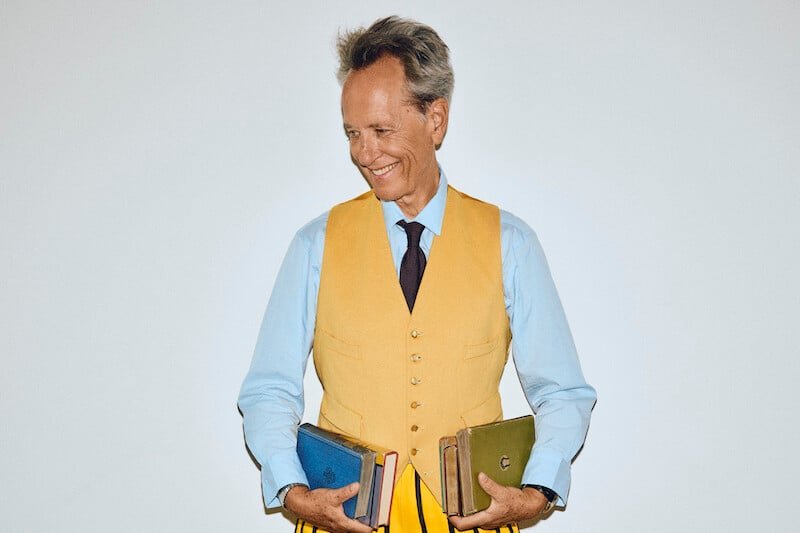
Richard E. Grant shot by Sane Seven for Oxfam’s Second Hand September 2026 Campaign
One in five people surveyed admitted to still throwing unwanted clothes away, rather than donating, repairing or reselling them.
The environmental cost goes well beyond the clothes themselves. Oxfam estimates that the water used to produce clothing currently sitting unworn in Britain’s wardrobes would be enough to provide one million people with drinking water for a lifetime.
Second Hand September was launched in 2019, but secondhand fashion has since become increasingly mainstream, helped by the growth of resale platforms alongside charity shops and vintage retailers. Oxfam has more than 500 shops around the UK as well as its online store.
It was 1986 and I arrived for my ‘Withnail & I’ audition soaking wet and in a second hand Burberry trench coat
The campaign is also tapping into an idea that buying less does not have to mean taking less pleasure in clothes. Grant says he has always loved clothes “that have lived a life before you”; he still wears pieces he has owned for decades, alongside clothes that belonged to people he loves and things he has picked up over the years.
“Original style isn’t about buying more. It’s about finding pieces with a story, keeping them for as long as you can, and passing them on for someone else to discover. We’ve already got too much of everything. Reusing and upcycling clothing – second-hand, vintage, call it what you like – just makes perfect sense.”
Images: Sane Seven for Oxfam’s Second Hand September 2026 Campaign
Be part of the solution
At Positive News, we’re not chasing clicks or profits for media moguls – we’re here to serve you and have a positive social impact. We can’t do this unless enough people like you choose to support our journalism.
Give once from just £1, or join 1,800+ others who contribute an average of £3 or more per month. Together, we can build a healthier form of media – one that focuses on solutions, progress and possibilities, and empowers people to create positive change.
Support Positive News
