


Chris Packham has suggested that neurodiverse people would be “better equipped” to save humanity in an apocalypse.
The BBC presenter and naturalist, who was diagnosed with Asperger’s syndrome, a form of autism, in his 40s, came to the conclusion while working on a new documentary series about evolution.
In an interview with Radio Times, he said: “I mean, why wouldn’t we be neurologically diverse, so that in a time of crisis, a percentage of our population would be better equipped to deal with it and more likely to survive?
“Neurodiversity must have been advantageous throughout the course of our species’ history, and I cannot imagine, therefore, that it doesn’t exist in other species.”
Describing his own autism, which he has previously said he struggled with when it was undiagnosed in his youth, Packham called it a present.
“Sometimes you open it, [and] you don’t get what you want,” he said, adding that “that’s what you have to accept” about the condition.
He made the comments after the announcement that the BBC had cancelled Packham’s nature documentary series Winterwatch after 14 years amid budget cuts at the broadcaster.
The nature show, which followed the lives of wild animals from a live outdoor studio, will instead be replaced by a video podcast, Naturewatch.
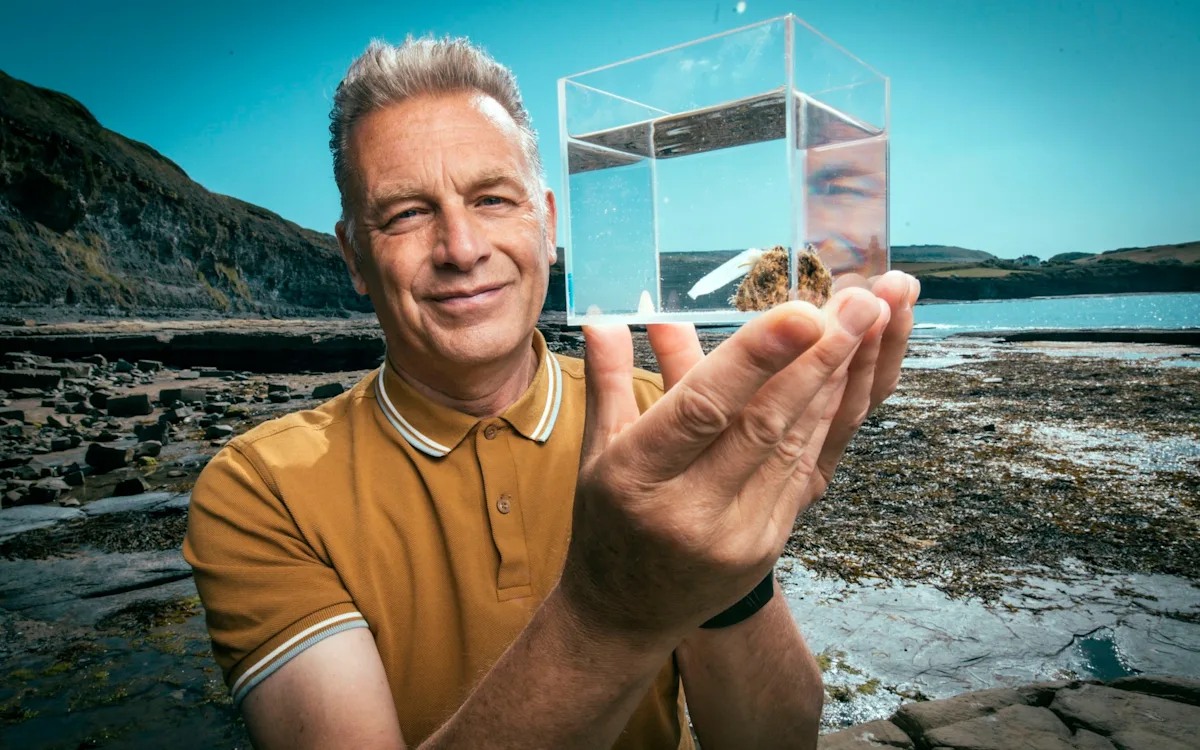
However, Packham, 65, has been working on a new BBC documentary series called Evolution. It covers how life has changed on Earth in more than four billion years, showcased through the elephant, ostrich, bat, dolphin and horse.
Chris Packham’s Evolution is a new five-part series on the BBC – Freddie Claire/BBC Studios
Previously, he has said that autistic people are not “broken”, but just “different”, and has hailed the “wider awareness” of the condition through social media.
Speaking on ITV’s Good Morning Britain last year about the condition, Packham said: “What we have done is we’ve created a wider awareness of this condition and therefore more people are able, hopefully, to access help.
“And that has to be seen as a very, very positive thing. Because people are learning about these conditions on social media, which we all use every day, that’s not a bad thing. That’s opening our eyes to the fact that these conditions are real and they need addressing and support.”
In recent years, Packham, who is a vegan and anti-hunting activist, has drawn criticism for his stances on rural issues around nature and farming.
His activism has meant he has had conversations with the BBC about the corporation’s impartiality rules.
Discussing the issue, he said: “I have a job outside of the BBC to try and drive change, often drive it quicker than most people want it.
“But I can have productive conversations with the BBC and we have a protocol whereby we can minimise conflict.”
Try full access to The Telegraph free today. Unlock their award-winning website and essential news app, plus useful tools and expert guides for your money, health and holidays.
