


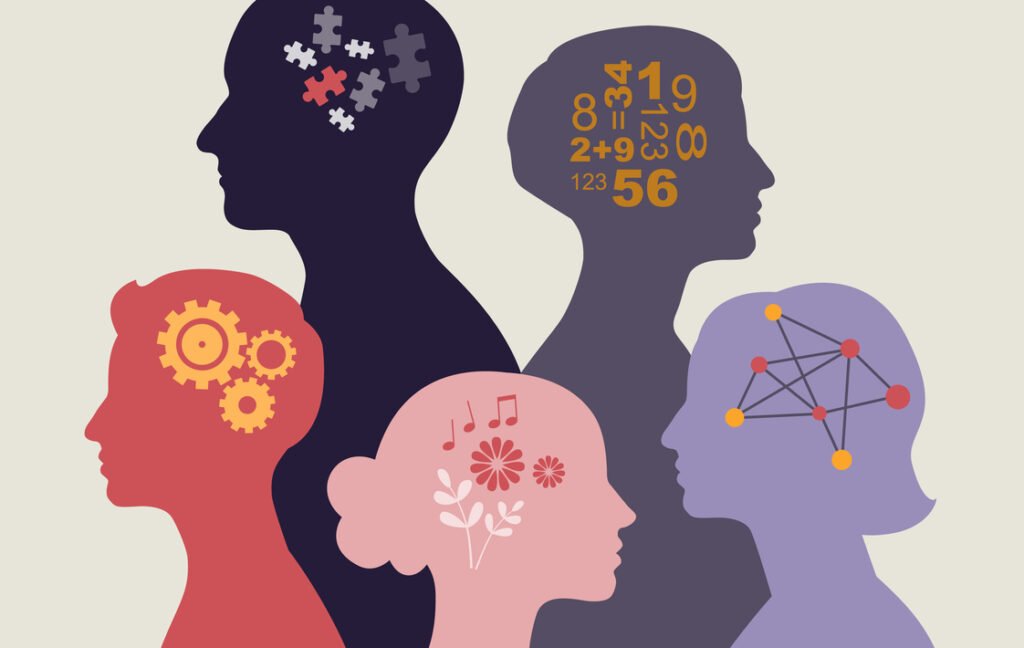
Just a handful of years ago, the term “neurodiversity” was largely relegated to academic spheres; today, the concept that human brains function differently, and that some need nontraditional support for optimal functioning, is mainstream. But that doesn’t mean all HR functions are equipped to support their neurodiverse employees—or to stay compliant on this front.
As diagnostic criteria have broadened and public awareness of neurodiversity has risen due to increased access to information and community-building over social media, rates of neurodivergent diagnoses have skyrocketed. For instance, one study found a 450% increase in autism diagnoses among adults aged 26-34 between 2011 and 2022. At the same time, another report found that ADHD diagnoses among adults 30-44 soared more than 60% between 2021 and 2024—a rate that’s even higher for older adults.
Given that many of these individuals are part of the workforce, it stands to reason that employers are facing a reckoning on how they support their neurodivergent workers—both from a talent strategy perspective and in the compliance realm.
“Neurodiversity accommodations are definitely not new under the Americans with Disabilities Act,” notes Jeff Nowak, co-chair of employment law firm Littler’s Leaves of Absence and Disability Accommodation Practice Group. “But what is new and what is making this such a hot issue is how frequently employers are seeing these requests—and how different they look from traditional ADA accommodations requests.”
See also: How to create more inclusive hiring practices for neurodivergent individuals
HR is used to ADA-driven workplace accommodations that focus on physical disabilities: an ergonomic keyboard or chair, a screen reader or a ramp. With conditions like autism, ADHD or anxiety disorders, however, the accommodations are often more related to how work itself is structured, the ways in which information is communicated and the social interactions expected.
“Many of these accommodations,” Nowak says, “are connected to things that are less visible and more nuanced than what we might traditionally see under the ADA—and that’s why it’s proving to be difficult for managers and HR professionals.”
Accommodations run the gamut, but Nowak is seeing more examples of: approvals for cameras to be off on Zoom calls, changes to meeting structures, extensions of deadlines, shifts in the sensory environment, and a reduction in social interactions.
One of the most common requests by neurodivergent workers is for remote work. Broad access to remote and hybrid work accelerated by the pandemic is largely thought to have helped level the playing field for neurodivergent workers, some of whom may be more likely to face distractions in the workplace, anxiety around social interactions and pressure to conform.
Research out last year from Littler found that, in organizations that increased the amount of time workers spend in the office, 56% saw more requests for remote work accommodations.
“Remote work allowed a lot of neurodiverse individuals to be more effective in how they performed their work,” Nowak says. “It absolutely needs to be considered as an accommodation when it’s requested because it does tend to be effective in addressing a number of limitations that neurodiverse people face.”
Remove the ‘barriers,’ reduce the risk
One of the most significant obstacles to supporting neurodiverse populations or people—and a potential impediment when it comes to compliance—is persistent misunderstandings about neurodivergence.
That there isn’t one right way of thinking, learning or even behaving is often a difficult concept for managers and HR professionals to embrace, especially when guided by sometimes-rigid workplace standards. This environment can create hesitance to provide accommodations that could be meaningful.
“That’s where employers frankly struggle,” Nowak says, “because those elements are often seen as ‘Well that’s just how the job works,’ rather than areas that can actually be adjusted.”
In particular, HR needs to stop expecting workers who are struggling and asking for help to use “perfect legal language.” They don’t necessarily need to state that they need an ADA accommodation for HR to start considering formal support.
“Statements like, ‘I’m overwhelmed’ or ‘Meetings are really hard for me’ need to be enough to trigger that ADA interactive process,” Nowak says. “Many times, managers and HR just aren’t recognizing the need for accommodations in the first place.”
While education and awareness need to be at the forefront, Nowak says HR should continue to prioritize removing “unnecessary barriers.” Thoughtfully collaborate with employees who need support, and keep “getting to yes” as the ultimate goal, even if it involves thinking outside the box.
That doesn’t mean HR needs to give every employee everything they ask for. But rather, focus on both the needs of the employee and the organization through a lens that embraces, rather than resists, the realities of neurodiversity.
“If we interact collaboratively to arrive at an accommodation that works for both the employee and employer,” Nowak says, “it reduces legal risk and builds stronger workplaces.”
