


Although being intersex is a human trait as common as red hair or green eyes, the reality of being intersex remains extremely taboo.
According to sexologist Anne Fausto-Sterling, up to 1.7% of the global population is born with chromosomal, hormonal, or anatomical variations that differ from the typical definitions of male or female.
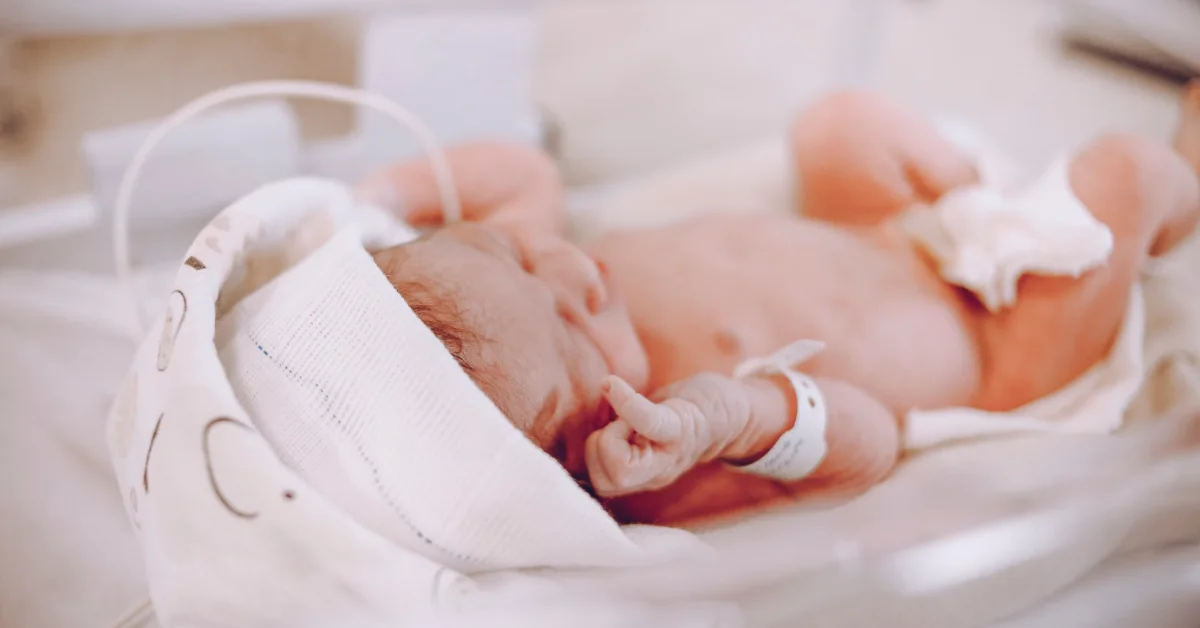
Often, a child with intersex characteristics undergoes “corrective” surgery when they are still under 2 years of age. While some early surgeries have been considered medically successful, others have led to lifelong consequences, including risk of repeat surgeries, urinary tract issues, loss of reproductive function, and infertility.
Vidal Balielo Jr./Pexels
Despite their controversial nature, intersex surgeries on infants are legal in 80% of the world.
However, in February, the Australian state of Victoria joined Uruguay, Portugal, Iceland, Germany, and others in banning unnecessary surgeries on intersex children, the first state in the country to enact such a ban.
“Procedures that alter sex characteristics raise profound and deeply personal questions — questions that I wish I had [had] the chance to answer for myself,” Tony Briffa, an advocate for intersex people in Victoria, told the Guardian.
“I have spent 25 years fighting to see these reforms make it to parliament to protect future generations of intersex children in Victoria.”
A version of this article originally appeared in the 2026 Pride Edition of the Good Newspaper.
You may also like: This activist refuses to let intersex people be erased: ‘We’re not exotic, but we are exhausted’
Featured Image: Vidal Balielo Jr./Pexels
