

Close Menu

    Subscribe to Updates

    Get the latest creative news from FooBar about art, design and business.

    What's Hot

    3 Key Cases on Salary in Lieu of Compensation under Florida Workers’ Compensation Law

    September 27, 2026

    CA Researchers Identify Odors That Repel Honeybees From Pesticides

    September 27, 2026

    What a tired body needs is not better self-care.

    September 27, 2026
    Facebook X (Twitter) Instagram
    Trending
    • 3 Key Cases on Salary in Lieu of Compensation under Florida Workers’ Compensation Law
    • CA Researchers Identify Odors That Repel Honeybees From Pesticides
    • What a tired body needs is not better self-care.
    • ‘Lionesses’ won air conditioning for Texas prisons
    • Students to lead conversations in mental health conclave
    • The Psychology of Letting Go: Why Founders Who Delegate Win
    • Archaeologists Risked Their Lives to Save 30,000 Treasures from ISIS Terrorists—New Study Shows How
    • Earlier Darkness & Commuting Safety
    Moving MountainsMoving Mountains
    Facebook X (Twitter) Instagram
    Monday, September 28
    • Home
    • Mental Health
    • Life Skills
    • Self-Care
    • Well-Being
    • Awareness
    • Inspiration
    • Workers Comp
    • Social Security
      • Injuries
      • Disability Support
      • Community
    Moving MountainsMoving Mountains
    Home » CA Researchers Identify Odors That Repel Honeybees From Pesticides
    Inspiration

    CA Researchers Identify Odors That Repel Honeybees From Pesticides

    TECHBy TECHSeptember 27, 2026No Comments3 Mins Read
    Facebook Twitter Pinterest LinkedIn Tumblr Reddit WhatsApp Email
    CA Researchers Identify Odors That Repel Honeybees From Pesticides
    Share
    Facebook Twitter LinkedIn Pinterest WhatsApp Email

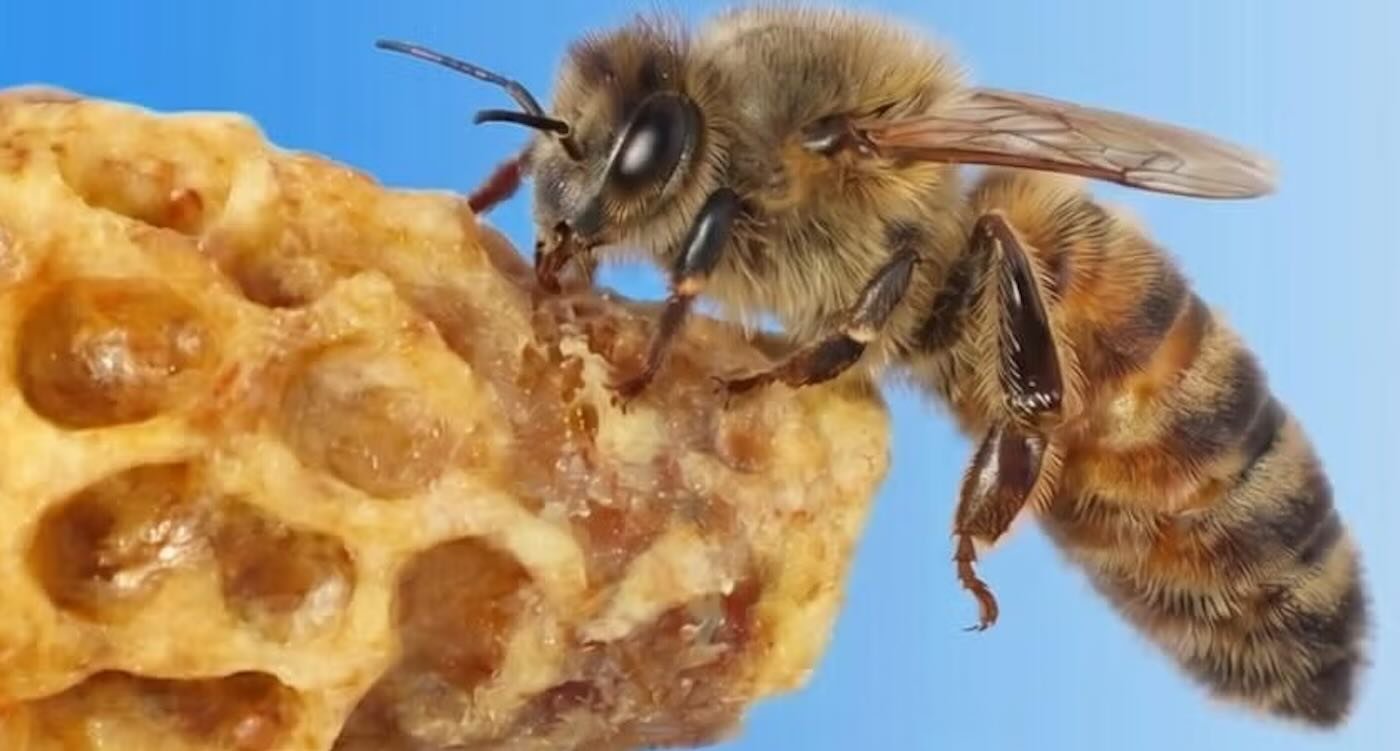
    Honeybee by Yu Fang University of California-Riverside (released)

    In a win for pollinator conservation, researchers at the University of California, Riverside, have identified chemical compounds that can safely repel honey bees from pesticide-treated crops.

    The research offers a potential solution to one of agriculture’s most urgent challenges: pesticides leading to the ongoing decline of honey bees.

    Biologist Anandasankar Ray, an expert on insect olfactory behavior, tackled the central problem around this plan to protect them—namely the extreme complexity of the honey bee olfactory system.

    With more than 200 odor receptors capable of detecting a vast array of volatile compounds, finding scents that repel bees was a major challenge—until now.

    “Bees rely heavily on their sense of smell to forage, but that sensitivity makes it tough to find odors that push them away instead of drawing them in,” Ray said. “Our goal was to find a way to use scent as a deterrent—safely and effectively.”

    To do this, Ray’s team collaborated with honey bee researchers in the lab of his colleague Boris Baer, a professor of entomology. The researchers created a machine-learning model trained on both the chemical structures of odorants and previously recorded behavioral responses of bees. The model was refined with new behavioral data the team obtained in the lab from honey bees and Drosophila (fruit flies), allowing for a more accurate prediction of insect olfactory responses.

    Once optimized, the system screened more than 50 million compounds, ultimately identifying about 130 that were predicted to have strong potential as bee repellents.

    Then they put top-performing candidates to the test in their lab, and honey bees exhibited clear avoidance behaviors when exposed to these candidates, aligning closely with the model’s predictions.

    GREAT BEE NEWS:
    • Unique Honeybees Found Only in California Can Fend Off Deadly Varroa Mites
    • Oregon Records 5 Years of Zero Pesticide-Related Deaths in Bees

    Subsequent field experiments with freely foraging bees confirmed that all seven compounds tested reliably repelled bees from honey combs without harming them.

    “By keeping bees away from harmful pesticides, we can potentially reduce their risk of exposure without compromising the protection of crops,” said Professor Ray in a media release.

    A contributing factor to bee population decline and colony collapse likely is unintended exposure to pesticides. While some pesticides that are harmful to bees have been banned or restricted, Ray said there is potential to further lower risks by using the pesticides with repellents that can minimize bee contact.

    The bee-repelling compounds have other applications, too.

    “In certain public environments—hospitals, office buildings, and residential areas, for example—reducing the formation of beehives can help avoid human-bee conflicts,” he said. “Also, some agricultural practices want to avoid pollination altogether, particularly with seedless fruit varieties.”

    According to Ray, who is co-inventor on a patent application for the compounds, the research published in the journal eLife is a step toward developing bee-friendly pesticide formulations—products that safeguard pollinators while still meeting the needs of modern agriculture.

    “Protecting pollinators doesn’t have to come at the expense of food security,” Ray said. “We believe our work will help guide further exploration of machine learning-guided solutions in environmental protection and sustainable farming practices.”

    “It is generally thought you need abundant data to do any kind of machine learning, but that’s not true for olfaction,” Ray said. “This is a powerful demonstration of how machine learning can help solve real-world ecological problems.”

    SPREAD THE BUZZ BY Sharing On Social Media…

    Honeybees identify Odors pesticides Repel researchers
    TECH
    • Website

    Related Posts

    The Psychology of Letting Go: Why Founders Who Delegate Win

    September 27, 2026

    How Los Angeles Companies Use Custom Software to Scale Operations

    September 27, 2026

    Good News in History September 27

    September 27, 2026
    Leave A Reply Cancel Reply

    Don't Miss
    Workers Comp

    3 Key Cases on Salary in Lieu of Compensation under Florida Workers’ Compensation Law

    By TECHSeptember 27, 20260

                                 …

    CA Researchers Identify Odors That Repel Honeybees From Pesticides

    September 27, 2026

    What a tired body needs is not better self-care.

    September 27, 2026

    ‘Lionesses’ won air conditioning for Texas prisons

    September 27, 2026
    Stay In Touch
    • Facebook
    • Twitter
    • Pinterest
    • Instagram
    • YouTube
    • Vimeo
    Our Picks

    3 Key Cases on Salary in Lieu of Compensation under Florida Workers’ Compensation Law

    September 27, 2026

    CA Researchers Identify Odors That Repel Honeybees From Pesticides

    September 27, 2026

    What a tired body needs is not better self-care.

    September 27, 2026

    ‘Lionesses’ won air conditioning for Texas prisons

    September 27, 2026

    Subscribe to Updates

    Get the latest creative news from SmartMag about art & design.

    About Us

    At Moving Mountains, we believe that every individual has strength, value, and purpose—regardless of mental health challenges or physical disabilities. This platform was created to inspire hope, promote understanding, and empower people to live meaningful and confident lives beyond limitations.

    Latest Post

    3 Key Cases on Salary in Lieu of Compensation under Florida Workers’ Compensation Law

    September 27, 2026

    CA Researchers Identify Odors That Repel Honeybees From Pesticides

    September 27, 2026

    What a tired body needs is not better self-care.

    September 27, 2026
    Recent Posts
    • 3 Key Cases on Salary in Lieu of Compensation under Florida Workers’ Compensation Law
    • CA Researchers Identify Odors That Repel Honeybees From Pesticides
    • What a tired body needs is not better self-care.
    • ‘Lionesses’ won air conditioning for Texas prisons
    • Students to lead conversations in mental health conclave
    Facebook X (Twitter) Instagram Pinterest
    • About Us
    • Contact Us
    • Privacy Policy
    • Terms & Conditions
    • Disclaimer
    © 2026 movingmountains. Designed by Pro.

    Type above and press Enter to search. Press Esc to cancel.