


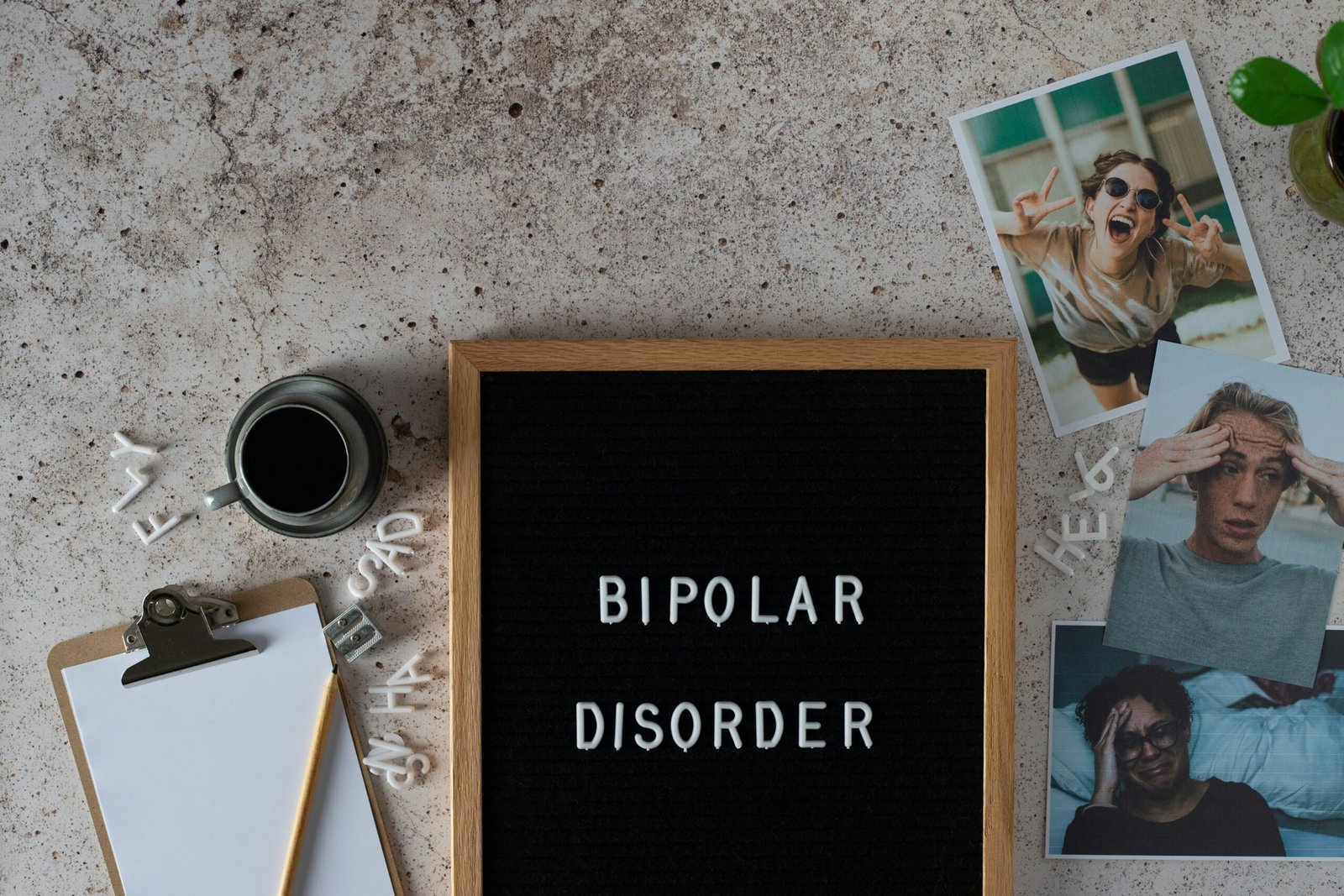
Bipolar disorder is a mental health condition that affects millions of people worldwide, yet many still don’t fully understand what it means or how it impacts those living with it. If you or someone you care about has been diagnosed with bipolar disorder, you’re not alone in this journey. Let’s explore what this condition looks like, how to recognize its signs, and most importantly, how to find support and develop healthy coping strategies.
What Is Bipolar Disorder?
Bipolar disorder is characterized by extreme shifts in mood, energy, and activity levels. People with this condition experience periods of intense highs (called manic or hypomanic episodes) and lows (depressive episodes). These mood swings are much more dramatic than the typical ups and downs everyone experiences, and they can significantly impact daily life, relationships, and work.
Recognizing the Signs and Symptoms
Manic or Hypomanic Episodes:
During these periods, you might feel unusually energetic, talkative, and confident. You may need less sleep than usual but still feel refreshed. Racing thoughts, increased goal-directed activities, and risky behaviors like excessive spending or reckless driving can occur. Some people experience grandiose thinking or feel like they can accomplish anything.
Depressive Episodes:
These phases bring persistent sadness, hopelessness, and loss of interest in activities you normally enjoy. You might experience fatigue, sleep disturbances (either sleeping too much or too little), difficulty concentrating, and feelings of worthlessness. In severe cases, thoughts of death or suicide may emerge.
Mixed Episodes:
Some people experience both manic and depressive symptoms simultaneously, which can feel particularly confusing and distressing.
Where to Seek Help
If you’re experiencing symptoms that concern you, reaching out for professional help is a crucial first step. Here are some excellent resources:
Mental Health Professionals: Start by scheduling an appointment with a psychiatrist, psychologist, or licensed therapist who specializes in mood disorders. They can provide proper diagnosis and treatment recommendations.
Your Primary Care Doctor: Your family physician can offer initial screening and referrals to mental health specialists.
Crisis Support: If you’re in immediate distress, contact the 988 Suicide and Crisis Lifeline by calling or texting 988. This free service is available 24/7 and staffed by trained counselors.
Support Groups: Connecting with others who understand your experience can be incredibly validating. Look for local or online support groups dedicated to bipolar disorder.
Hospitals and Emergency Services: If you’re experiencing severe symptoms or having thoughts of self-harm, don’t hesitate to visit an emergency room or call emergency services.
Effective Coping Skills
Maintain a Consistent Routine:
Stability is your friend when managing bipolar disorder. Try to keep regular sleep schedules, eat nutritious meals, and exercise regularly. These fundamentals support emotional stability.
Track Your Moods:
Keeping a mood journal helps you identify patterns and triggers. Note what you’re feeling, what happened that day, and how much sleep you got. This information is invaluable for you and your healthcare provider.
Medication Management:
If prescribed medication, take it exactly as directed. Don’t skip doses or stop taking it without consulting your doctor, even if you’re feeling better. Consistency is key to managing symptoms effectively.
Stress Reduction Techniques:
Practice mindfulness, meditation, deep breathing exercises, or yoga. These activities calm your nervous system and help prevent mood episodes from escalating.
Limit Triggers:
Identify what sets off your mood episodes—whether it’s certain people, situations, or substances—and work to minimize exposure when possible.
Build a Support Network:
Surround yourself with understanding friends and family members. Don’t hesitate to communicate your needs and ask for help when you need it.
Avoid Alcohol and Drugs:
Substance use can destabilize your mood and interfere with medication effectiveness. Staying sober supports your recovery.
Therapy:
Cognitive-behavioral therapy (CBT) and other therapeutic approaches can teach you practical skills for managing thoughts and behaviors.
Moving Forward
Living with bipolar disorder is challenging, but it’s absolutely manageable with proper treatment and support. Many people with this condition lead fulfilling, successful lives. The key is finding the right combination of medication, therapy, lifestyle changes, and support that works for you.
Remember that recovery isn’t linear—there will be good days and difficult days. Be patient and compassionate with yourself. Seeking help isn’t a sign of weakness; it’s a sign of strength and self-awareness. You deserve to feel better, and with the right resources and determination, you can build a life you love.
