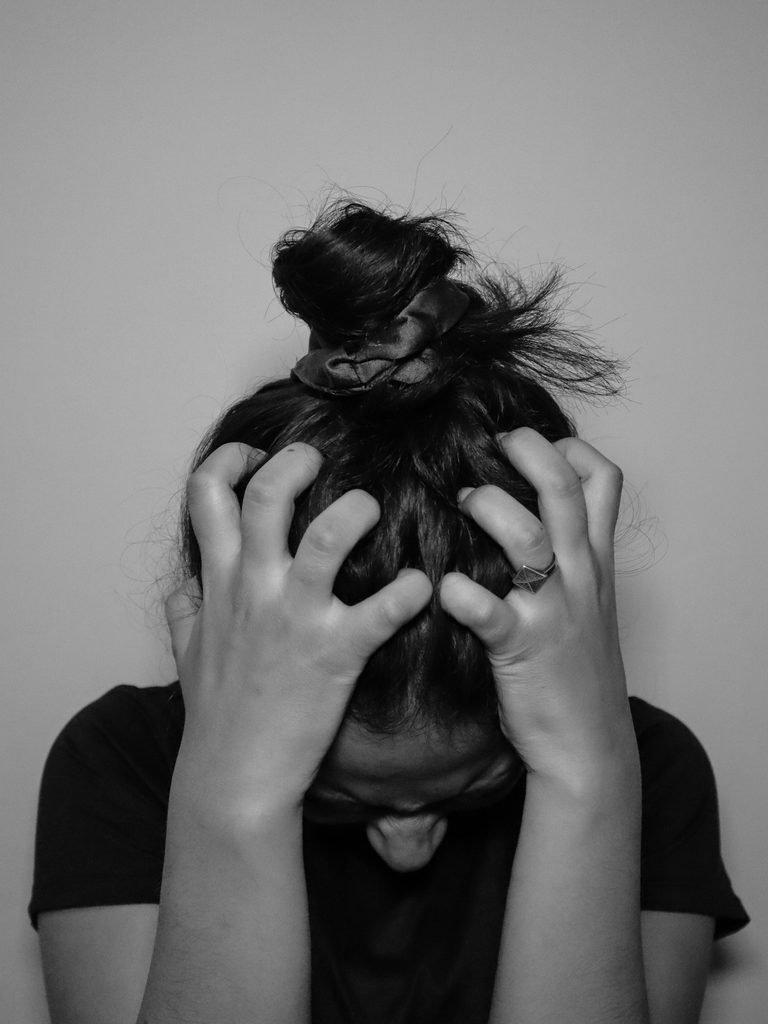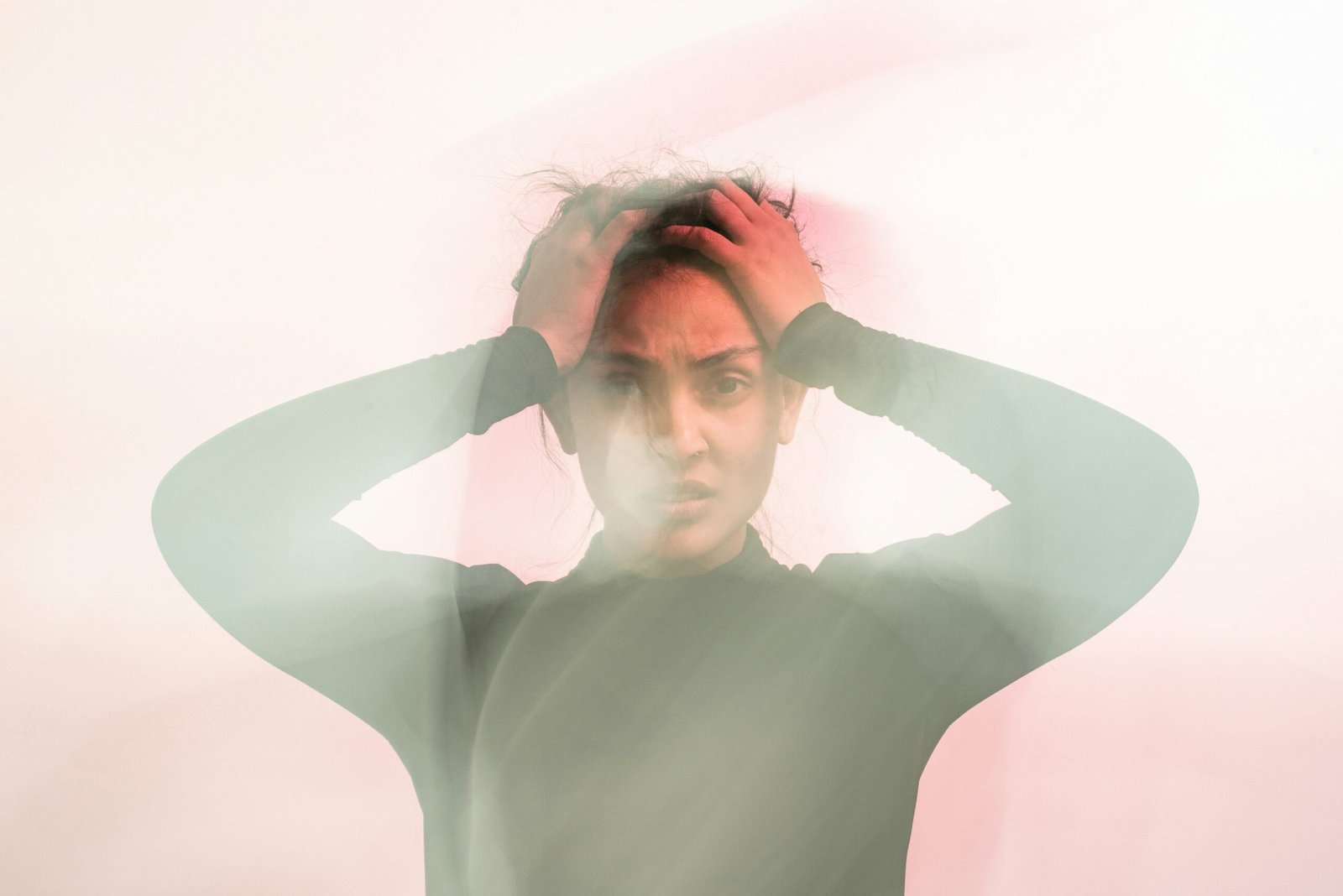
Anxiety is something many of us experience at some point in our lives, and it’s completely normal to feel worried or stressed from time to time. However, when anxiety starts to take over your daily life and makes it hard to function, it might be time to pay closer attention to what’s going on. Let’s explore what anxiety looks like, how to recognize it, and most importantly, what you can do about it.
What Exactly Is Anxiety?
Anxiety is your body’s natural response to stress or perceived danger. It’s that feeling of unease, worry, or fear that shows up when you’re facing something uncertain or challenging. While a little bit of anxiety can actually be helpful—it keeps us alert and motivated—too much of it can become overwhelming and interfere with your quality of life.
Recognizing the Signs and Symptoms
Anxiety shows up differently for everyone, but there are some common signs to watch for. Physically, you might notice your heart racing, sweating, trembling, or difficulty breathing. You could experience headaches, stomach problems, or muscle tension that just won’t go away. Sleep troubles are also super common—either sleeping too much or not being able to fall asleep at all.
On an emotional level, anxiety often brings persistent worry about everyday situations, a sense of dread, or feeling like something bad is about to happen. You might find it hard to concentrate, feel irritable, or experience panic attacks that come out of nowhere. Some people describe it as feeling on edge all the time, like they’re waiting for the other shoe to drop.
When to Seek Professional Help
If you’re noticing that anxiety is affecting your work, relationships, or overall happiness, it’s a great idea to reach out for support. Don’t wait until things feel unbearable—getting help early can make a real difference. You can start by talking to your primary care doctor, who can rule out any physical health issues and refer you to a mental health professional if needed.
There are several types of professionals who can help, including therapists, counselors, psychologists, and psychiatrists. Many people find it helpful to start with therapy, where you can talk through your worries with someone trained to help. If your doctor thinks medication might help alongside therapy, they can discuss that option with you too.
Practical Coping Skills You Can Use Today
While you’re working on getting professional support, there are plenty of things you can do right now to manage anxiety. Deep breathing exercises are incredibly powerful—try the 4-7-8 technique where you breathe in for four counts, hold for seven, and exhale for eight. This naturally calms your nervous system.
Regular exercise is another game-changer. Whether it’s a walk around the block, yoga, dancing, or hitting the gym, moving your body releases feel-good chemicals that reduce anxiety. Even just 20 minutes a day can make a noticeable difference.
Mindfulness and meditation are fantastic tools too. Apps like Headspace or Calm can guide you through short sessions that help quiet racing thoughts. Progressive muscle relaxation, where you tense and release different muscle groups, is another excellent technique.
Don’t underestimate the power of lifestyle changes either. Limiting caffeine and alcohol, getting enough sleep, and eating nutritious foods all support your mental health. Spending time with supportive friends and family, engaging in hobbies you enjoy, and setting healthy boundaries can also significantly reduce anxiety.
Moving Forward
Remember, experiencing anxiety doesn’t mean something is wrong with you—it’s a sign that you’re human and that your mind and body are trying to protect you. The good news is that anxiety is very treatable, and with the right combination of professional support and self-care strategies, you can absolutely feel better.
Take that first step today, whether it’s calling your doctor, reaching out to a therapist, or simply trying one of these coping techniques. You deserve to feel calm and at peace, and help is absolutely available to you.