


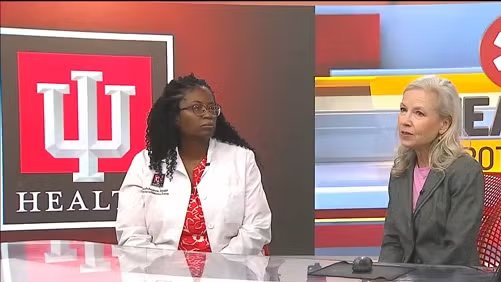
INDIANAPOLIS (WISH) — September marks Suicide Prevention Month, a time to raise awareness about a complex but preventable public health issue.
Danielle Henderson, a clinical psychologist with Indiana University Health, says the most important step in prevention is overcoming the fear of starting a conversation. Many people worry that asking a loved one about self-harm will “plant the idea” in their head, but Henderson says those concerns are not supported by evidence. Instead, expressing concern can open a door for those who are struggling.
Henderson says people should pay attention to what they observe. Signs of distress may include persistent sadness, expressions of hopelessness about the future, or an increase in alcohol and substance use. Henderson says these changes often signal someone needs support.
“Encourage people to lean into what they observe,” Henderson said. “I’ve observed that you seem really sad, or that you’ve been talking to me about how sad you are, that sounds like you don’t have that same hope for your future like you have when we’ve had conversations before.”
While the timing of these conversations can feel uncomfortable or “clunky,” Henderson says it is better to speak up early rather than wait. She suggests writing down concerns if talking feels too difficult.
Henderson says one critical warning sign often overlooked is a sudden change in mood. If someone who has been struggling suddenly appears calm or happy, it may indicate they have reached a resolution to end their life. Henderson says giving away possessions is another major red flag that requires immediate intervention.
“I also want to note one warning sign is if you’ve had concerns about someone or someone has expressed thoughts about harming or killing themselves in any way and then all of a sudden you’re not hearing that,” Henderson said. “Sometimes that can be a flag that maybe they’ve already made that decision and come to that resolution.”
For those looking to help, Henderson recommends acting as an advocate. This includes calling the 988 Suicide & Crisis Lifeline or physically taking a loved one to a mental health appointment rather than waiting for them to make the call.
Resources are available throughout the community, including individual and group therapy, so no one has to face a mental health crisis alone.
