


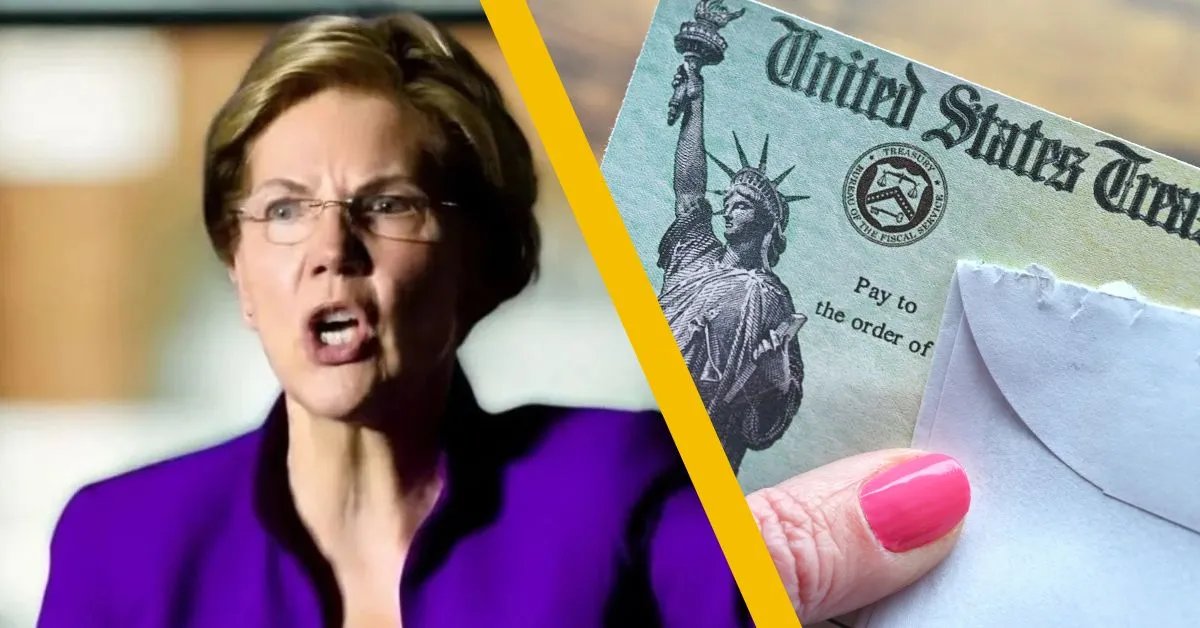
A Social Security fix that sounds simple on paper could feel very real in your paycheck.
In June 2026, Sen. Elizabeth Warren and Sen. Bernie Moreno both backed a Social Security payroll tax increase for higher earners by seeking to remove the wage cap, a rare point of agreement from a Democrat and a Republican who often land on different sides of economic fights.
Here’s what payroll tax changes could mean for your take-home pay, why the idea is getting attention now, and what to watch before you change any part of your retirement plan.
The proposal
The payroll tax rate is one of the bluntest levers in the Social Security debate. Under current law, workers pay 6.2% of covered wages for Social Security, and employers pay another 6.2%, for a combined 12.4%.
A rate hike would raise that percentage. A different payroll tax change, such as lifting or removing the taxable wage cap, would focus more heavily on higher earners. A broader rate increase could touch most workers who receive a paycheck.
That’s why this idea is controversial. It could bring more money into Social Security, but it might also reduce take-home pay unless employers offset it with higher wages, which can vary by workplace.
Shopping for cheaper auto insurance? Enter your zip code here to get started.
Why now
Social Security’s financing gap is the reason this proposal keeps coming back. The program is still paying benefits, but trustees have warned that dedicated revenue and reserves could fall short of scheduled benefits in the next decade.
The 2026 trustees report projected that the combined retirement and disability trust funds could become depleted in 2032. If Congress does nothing before then, continuing income would cover 83% of scheduled benefits at that time.
That’s the gap payroll tax changes are meant to address. It exists because scheduled benefits are projected to exceed dedicated income over time, not because Social Security has stopped collecting payroll taxes.
How it could affect your paycheck
For your paycheck, the math starts small and gets bigger with income. A one percentage point increase in the employee Social Security tax would equal $10 per $1,000 of covered wages.
If you earn $50,000 in covered wages, that kind of increase could mean about $500 less in annual gross take-home pay before other tax interactions. If the proposal raised both the employee and employer sides, your employer’s cost would rise too.
Self-employed workers could feel the change more directly because they generally pay both the employee and employer portions of Social Security tax. That makes the combined rate especially important if you freelance, run a small business, or receive 1099 income.
Why Warren and Moreno agree
Warren and Moreno might agree on the payroll tax lever for different reasons. Their reported common ground was removing the wage cap, not a fully drafted law raising every worker’s rate, but the political signal is similar: Social Security’s financing problem is pushing lawmakers toward revenue options.
Another argument is political realism. Lawmakers have only a limited menu of big Social Security options: raise revenue, slow benefit growth, change eligibility rules, borrow more, or use some mix of those choices.
A payroll tax hike resolves one part of the problem by bringing in more dedicated revenue. It doesn’t resolve the fairness debate. Lower- and middle-income workers could feel a broad rate hike more sharply because they have less room in their monthly budgets.
The trade-off
The clearest upside is program financing. The 2026 trustees report put Social Security’s long-range actuarial deficit at 4.42% of taxable payroll. Added to the current 12.4% combined payroll tax rate, that implies a combined rate of about 16.8% if the gap were addressed immediately through the payroll tax rate alone.
The clearest downside is affordability. Even if the increase is phased in, it could arrive at the same time you’re dealing with rent, groceries, insurance premiums, debt payments, or child care costs.
That trade-off is the whole debate. A tax hike could reduce the risk of future benefit cuts, but it might also ask today’s workers to accept smaller paychecks now.
What would stay the same
A payroll tax rate hike wouldn’t automatically raise your future Social Security benefit dollar for dollar. Benefits are calculated under a formula tied to lifetime earnings and your earnings record, not simply the total tax you paid in a given year.
It also wouldn’t necessarily remove the taxable wage cap. The cap is a separate policy lever that determines how much annual wage income is subject to Social Security tax.
That distinction matters. For 2026, the Social Security taxable wage cap is $184,500, meaning wages above that amount are not subject to the Social Security portion of the payroll tax under current law.
Retirement News: Almost 80% of Americans fear a retirement age increase — here’s the real reason why
What to watch next
The first thing to watch is whether the idea becomes actual legislation. Public agreement doesn’t equal a law, and Social Security changes usually face a tough path in Congress.
The second thing to watch is the design. A proposal could phase in a rate hike, split the increase between workers and employers, pair it with benefit protections, or focus instead on the wage cap.
The effective date matters too. A tax increase that starts quickly could hit your next budget sooner, while a slow phase-in might give you more time to adjust retirement contributions, withholding, or cash reserves.
Bottom line
A Social Security payroll tax hike could strengthen the program’s finances, but it might come with a direct paycheck cost. The unusual agreement between Warren and Moreno makes the idea newsworthy and reflects how serious the Social Security funding problem has become, yet the details matter more than the headline.
If this debate affects you, keep an eye on the rate, the wage cap, the start date, and whether the employer share rises too. For now, it’s smart to stress-test your monthly budget against a slightly smaller paycheck.
No single proposal has solved the politics of Social Security. But if lawmakers move toward payroll taxes, the impact could show up first where you notice it fastest: your take-home pay.
FAQs
What other options could fix Social Security besides raising payroll taxes?
Lawmakers have floated several alternatives, including raising the full retirement age, changing the formula used for annual cost of living increases, and limiting benefit growth for higher income retirees. Most proposals combine more than one of these approaches rather than relying on a single fix.
What percentage of workers earn more than the Social Security wage cap?
About 6% of covered workers earn above the taxable maximum in any given year. That share has stayed roughly the same since the 1980s, even though the earnings of people above the cap have grown faster than average wages.
What is the Social Security tax rate?
The Social Security tax rate is 6.2% for employees and 6.2% for employers, for a combined rate of 12.4% on covered wages. Self-employed workers pay the full 12.4% themselves, though they can deduct half of that amount on their federal income taxes. The rate applies only to wages up to the annual taxable maximum, which is $184,500 in 2026.
Subscribe Today
Unlock the Best Banking Deals and Bonuses
From high-yield savings accounts to cashback checking and sign-up bonuses, we bring you the best banking offers to grow your money smarter.
Author Details
Josh Koebert
Josh Koebert has spent more than 16 years digging into the data behind how Americans earn, save, and retire. As a Senior Data Journalist at FinanceBuzz, his work covers both ends of that challenge: the job market and real estate pressures that shape how much people can save, and the Social Security policies, 401(k) strategies, and retirement income gaps that determine what they’ll actually have when they get there.
