


Reviewed by Dietitian Lisa Valente, M.S., RD
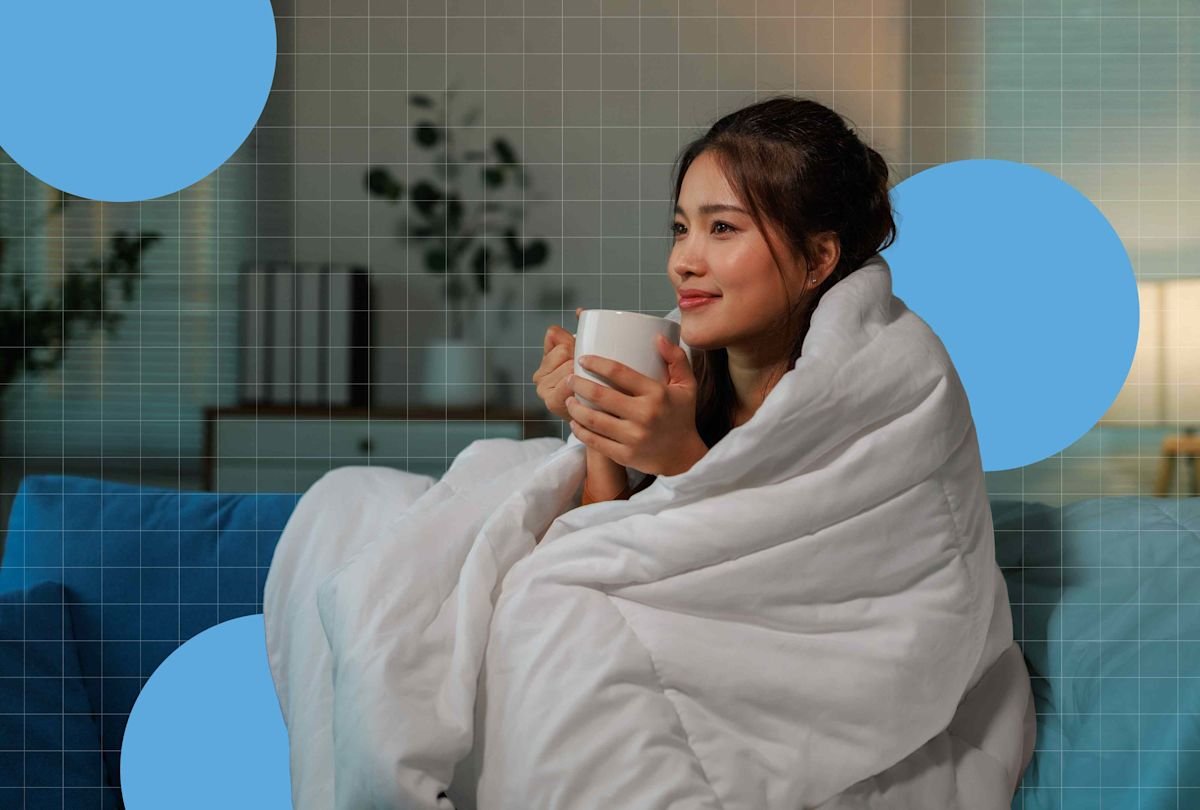
Credit: Getty Images. EatingWell Design.
Key Points
Drinking a cup of chamomile tea can help promote relaxation after dinner.
It’s caffeine-free and creates a calming ritual that can help you wind down.
Deep breathing, regular exercise and a healthy diet can all help reduce anxiety.
It’s normal to feel anxious from time to time, but roughly 30 percent of adults will suffer from an anxiety disorder at some point in their lives., This is when worries and fears persist and often interfere with daily living. The evening time is when anxiety can peak for many individuals due to being tired and having more downtime to think, er, worry. During these times, you may find yourself reaching for a comforting snack or drink.
An after-dinner drink can help reduce anxiety if you choose the right one. The mind and body are connected, so what you consume can impact anxiety, for better or worse. “Nutrition influences blood sugar balance, sleep quality, inflammation, and neurotransmitter activity, all of which can shape how calm or stressed we feel. Beverages that are high in caffeine or disruptive to sleep can make anxiety feel worse, while more calming, nutrient-rich options can help support a more relaxed state,” says Lauren Manaker, M.S., RDN, LDN, CLEC. The best after-dinner drink to help reduce anxiety, according to experts, is a calming cup of chamomile tea. Here’s why it’s the best option, plus other tips for reducing anxiety.
It Promotes Relaxation
Chamomile has been used as an herbal remedy for centuries, but now there’s science to explain how this tea could help reduce anxiety. “Chamomile has plant chemicals called flavonoids, which include apigenin. These types of plant chemicals have been shown to interact with parts of the brain involved with relaxation,” says Lori Bohn, PMHNP-BC, DC. Apigenin has an anxiolytic effect, which reduces anxiety and tension by acting on gamma-aminobutyric acid (GABA) and other neurotransmitters that help calm the brain and nervous system. Anti-anxiety medications do this as well, to a greater extent. “Chamomile compounds may also influence the hypothalamic-pituitary-adrenocortical (HPA) axis, which is involved in the body’s stress response,” says Jennifer Pallian, RD.
Chamomile has been shown to reduce symptoms of anxiety, as well as insomnia, in different groups of people, not just those with anxiety disorder. Recent research found that drinking chamomile tea helped postmenopausal women feel less anxious and depressed. “It appears to act as a mild sedative that calms the nerves and relaxes muscles, and it does this with almost no side effects,” says Alex Dimitriu, M.D., a physician double board-certified in psychiatry and sleep medicine. One to two cups can deliver these benefits.
It’s Caffeine-Free
Chamomile tea is naturally free of caffeine. “That matters because caffeine can increase restlessness, interfere with sleep, and intensify anxious feelings, especially later in the day,” says Manaker., At night, the goal is to calm the nervous system, not stimulate it, she says.
Not only can caffeine keep you up at night, but it may worsen anxiety in general. Shannon Franklin, Psy.D., a licensed psychologist, points to a recent meta-analysis that “found a significant association between the amount of caffeine consumed and the likelihood of experiencing increased levels of anxiety, especially in larger amounts.” If you enjoy caffeinated beverages, reserve them for the morning. Reach for caffeine-free drinks in the afternoon and evening, like chamomile tea.
It Creates a Calming Ritual
While the compounds in chamomile tea can promote relaxation and calm the nervous system, there’s an often overlooked benefit of drinking tea after dinner, says Rachel Lambert, LPC, BCN, a licensed professional counselor, board-certified in neurofeedback. It’s the rituals surrounding what we eat and drink and the role those play, she says. “Making a warm cup of tea serves as a behavioral anchor that prepares the mind psychologically for sleep and winding down,” says Dimitriu. This benefit isn’t unique to chamomile tea, so you can sub a different caffeine-free drink if you prefer. It’s more about the act of slowing down.
When you sit down, put your phone away, enjoy a warm beverage and take ten minutes quietly to yourself, that sends a message to your nervous system that it is okay to relax and slow down, says Lambert. In turn, this can promote a good night’s sleep. “Sleep is especially important here, because poor sleep and anxiety tend to reinforce one another,” says Manaker. Drinking tea is also an excellent replacement for less healthy evening habits, says Dimitriu. “Instead of doomscrolling or drinking alcohol, take the time to brew chamomile tea strong, steeping it for at least 5 minutes. You can use this to step away from screens and let the brain slow down,” he says.
Other Tips for Reducing Anxiety
Treating anxiety involves a holistic approach that includes therapy, lifestyle habits, medication or all of the above. Some interventions offer relief in the moment, while others work over time. When it comes to daily habits, here’s what experts recommend focusing on to reduce anxiety.
Try warm milk. If you’re not a fan of tea, try a cup of warm milk in the evening. “Dairy milk is naturally caffeine-free, which is important in the evening, and it provides a unique package of nutrients associated with sleep support, including high-quality protein, tryptophan, calcium, magnesium, vitamin D, zinc and selenium,” says Manaker.
Practice deep breathing. Breathing is something you can activate in the moment when feeling anxious or stressed. Numerous breathing techniques, such as diaphragmatic breathing, have been shown to reduce anxiety by stimulating the parasympathetic nervous system. This shifts the body into “rest and digest” mode, lowering heart rate and blood pressure.
Exercise regularly. Regular physical activity has been shown to reduce symptoms of anxiety and depression. Both cardio and strength training can help you feel less anxious.,
Cut back on caffeine. Caffeine can worsen anxiety, but the effect can vary by person. Not only may it increase your heart rate and make you jittery, but if you consume it too late in the day, it can interfere with sleep, which could worsen anxiety.
Eat a nutritious diet. A balanced diet high in fruits, vegetables, nuts and seeds, milk, fiber and calcium is linked with a lower risk of anxiety, while processed meats and sodium may increase risk. A nutritious diet also positively impacts blood sugar control and the gut microbiome.
Prioritize sleep. Sleep disturbances affect about 50 percent of people with anxiety. It can be a vicious cycle where anxiety can make it difficult to fall asleep, and poor sleep can make anxiety worse. Focus on good sleep hygiene, like avoiding caffeine late in the day, putting your phone away at night and trying to go to bed and wake up around the same time each day. This helps regulate the sleep-wake cycle, says Manaker.
Our Expert Take
If you’re seeking a drink to help you unwind in the evening, brew a cup of chamomile tea. It’s the best after-dinner drink to help reduce anxiety because it’s caffeine-free and contains a compound called apigenin, which relieves tension and promotes relaxation. Not a fan of chamomile? Try warm milk or another caffeine-free beverage. And don’t forget the importance of a calming ritual, like putting your phone away and taking time to yourself before bed can help relax your nervous system and improve your sleep.
Read the original article on EatingWell
