


When you buy through links on our articles, Future and its syndication partners may earn a commission.
Credit: Future / James Merrell
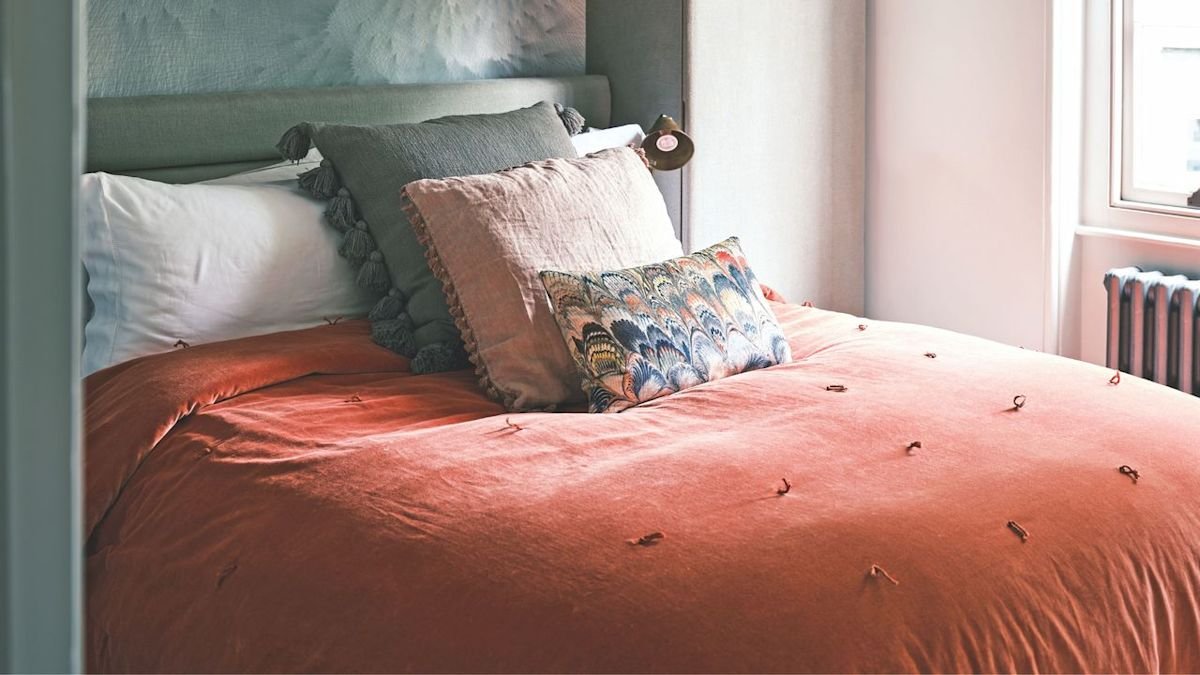
Making your bed each morning is one of the simplest ways to reset your space and start the day with a small sense of accomplishment. It takes only a couple of minutes, but if you never leave home without doing it, psychologists and professional organizers say it may reflect a wider set of habits that help keep your home – and your day – feeling more under control.
From tackling small messes before they grow to following consistent routines, these habits can create a more structured start to the day, helping your home feel calmer and everyday chores more manageable.
So, what does making the bed every day really say about your habits? Here, psychologists and professional organizers explain why making the bed can signify more than a tidy sleep space, and the simple habits you can adopt for a calmer, more organized morning.
‘Routines are super powerful,’ begins Moriah O’Barr, Licensed Psychologist and Co-Clinical Director of Cultivating Courage Psychological Services. They create predictability, which makes us feel safe. ‘They also signal to our mind and body that we’re preparing for something,’ she adds. ‘The routine of making your bed in the morning signals that you are getting ready to start the day, move into family, work, or student mode, and that you are transitioning from rest to active.’
Jill Katz, Certified Professional Organizer and Founder of One to Zen Organizing, agrees. ‘Making your bed in the morning shows that you have developed a morning routine,’ she says. ‘People with morning routines are more productive since they are setting the tone for the entire day.
‘When you go through a morning routine, you are taking the time to wake up and prep so you are ready to face the day. When your routine is complete, you are announcing to yourself and the world, “I am ready to take on my tasks for the day.”‘
With that in mind, here are the other habits of highly organized homeowners.
1. They Tackle Small Messes Before They Become Big Ones
Don’t let clutter accumulate. | Credit: Alice Lane Interior Design / Photography Nicole Hill Gerulat
It’s easy to let small messes build up. A spill here, a pile of papers there, and suddenly you’re left needing to deep-clean your house all over again.
In contrast, people who consistently make their bed may be more inclined to adopt a mindset of dealing with small tasks before they accumulate. ‘Many people who consistently make their bed are generally inclined to adopt an attitude of “do not allow things to build up”,’ says Dr. Amy Fitzpatrick, MD, Chief Medical Officer at Bedrock Recovery Center, who focuses on preventive medicine and behavioral health, helping people build simple daily habits that support long-term well-being.
‘This means they are more likely to clean a few dishes, fold a blanket, or even put things back in order, as these smaller resets will prevent the accumulation of clutter, which can be mentally overwhelming.’
This approach can also help explain why allowing mess and clutter to accumulate is one of the things people with tidy homes never do. The goal isn’t to clean constantly, though. Instead, finding the right cleaning balance in your home can help you stay on top of everyday mess without letting cleaning take over.
Keep a cleaning caddy within easy reach – IKEA’s PEPPRIG Cleaning Bucket and Caddy is ideal for this – and store your cleaning supplies for maximum efficiency. The easier it is to deal with a small mess in the moment, the less likely it is to become a bigger job later.
2. They Build Routines That Make Staying Organized Easier
Routines create structure. | Credit: Future PLC / Joanna Henderson
Making the bed may seem like a small task, but doing it every morning can be part of a much broader pattern of consistent routines.
‘Making beds is often part of a typical morning routine,’ says Stacy Sheller, Licensed Marriage and Family Therapist at The Grove Recovery Community. ‘People who like to follow routines also have regular habits for things like meals, exercise, planning their day, keeping a deep cleaning schedule, or getting ready for bedtime.
‘Consistent routines reduce fatigue involved in making decisions and provide structure. That structure makes it easier to maintain healthy habits over time.’
That same preference for consistency can extend to household chores, too. Rather than waiting for cleaning to become overwhelming, people who thrive on routines may be more likely to stick to a regular deep cleaning schedule and an achievable cleaning and laundry routine.
If you find it easier to stay on track with a visual reminder, put your routine somewhere you’ll see it every day. A Magnetic Wet/Dry-Erase Blackboard (available on Amazon) on the fridge can make it easy to keep daily and weekly tasks visible.
3. They Value Progress Over Perfection
Don’t concern yourself with the ‘best’; simply being ‘better’ is enough. | Credit: James Merrell
Making your bed isn’t about creating a picture-perfect bedroom every morning. Instead, the simple act of completing a small task consistently can reinforce the idea that progress matters more than perfection.
‘It’s been proven to assist in building an individual’s ability to take on larger responsibilities,’ says Stacy Sheller. ‘Many people find that maintaining their daily routines helps build confidence through their ability to succeed at smaller tasks each day.’
That mindset can be particularly useful when it comes to household habits. Rather than expecting yourself to overhaul your home in one go, focus on small, achievable actions to break bad home habits and replace them with routines that are easier to maintain.
For a deeper look at how small changes can lead to lasting results, Atomic Habits: An Easy & Proven Way to Build Good Habits & Break Bad Ones, available on Amazon, explores how tiny, consistent improvements can add up over time.
4. They Deal With Small Tasks Instead of Putting Them Off
Tackle small tasks as soon as they arise. | Credit: Future
A tidy home isn’t necessarily the result of hours of cleaning. Often, it’s the result of dealing with small tasks as they arise, rather than allowing them to pile up. If you’ve heard of the ‘one touch’ tidying rule, you’ll know the value of putting things away as soon as you’re finished with them. It’s also one of the things organized people do every day.
‘The act of making the bed is one example of doing the simplest things first,’ says Dr. Amy. ‘It becomes a routine, and those habits generally will follow through with all the other housekeeping duties you may need to complete each week.
‘As a result of this routine, it’s less mentally taxing when there isn’t anything left undone around the house.’
You don’t have to tackle everything immediately, either. On days when time or energy is limited, use a catch-all basket for mislaid items. Keeping them contained in one place prevents clutter from spreading and gives you a manageable task to deal with when you have more time.
5. They Make Their Homes Feel Comforting and Supportive
Your house should feel like a comforting home. | Credit: That Home Studio
Finally, people who make their beds may be more likely to see their homes as places of comfort, stability, and support, says Stacey. The simple act of creating a tidy bedroom each morning can be part of a wider effort to make the home feel calm and restorative.
‘People who tend to make their beds typically view their homes as places where they can find comfort and stability. Their focus on developing relaxing environments in addition to establishing the regularity of a daily routine could reflect this perspective.
‘The goal for people who want to have a good home isn’t to have a “perfect” house or space. Instead, it is to develop a space that has a sense of welcomingness, functionality, and will provide support and encouragement for living through each day.’
Creating that feeling doesn’t require a complete home makeover. Small, sensory touches can make a space feel more inviting, too. Adding one of your best candles is an easy way of making a home feel welcoming. For example, the Posie Woody Sandalwood Vanilla Glass Candle, available at Anthropologie, brings both fragrance and a pop of color through its stylish glass vessel.
What to Shop
If you’re feeling inspired to make making the bed part of your daily routine, I’ve rounded up some favorites for building healthy home habits and creating a space that supports your well-being below.
Atomic Habits: An Easy & Proven Way to Build Good Habits & Break Bad Ones
View Deal
View Deal
View Deal
Lamare Habit Tracker Calendar
View Deal
Daily Habit Tracker: Habit Tracking Notebook
View Deal
Voluspa Japonica Baltic Amber Glass Jar Candle
View Deal
Meet the Experts
Have you heard of monastic bed making? This popular bedding trend is a minimalist approach.
For more home and habit advice, you can sign up for our newsletter so you never miss the latest features.
