


“What worries me most is that my children feel my stress.”
One mother told us that when money is tight, she quietly buys less food for herself so her children can continue eating fruits and vegetables. Another shared that her son felt embarrassed bringing traditional foods from home after classmates questioned the smell of his lunch at school. One father described driving somewhere secluded simply to scream when life becomes overwhelming so that his children never have to see his frustration.
None of these stories would have appeared in a multiple-choice survey question.
Four years ago, ISLA began asking a simple but powerful question: What if Latino parents were not just participants in research, but researchers themselves?
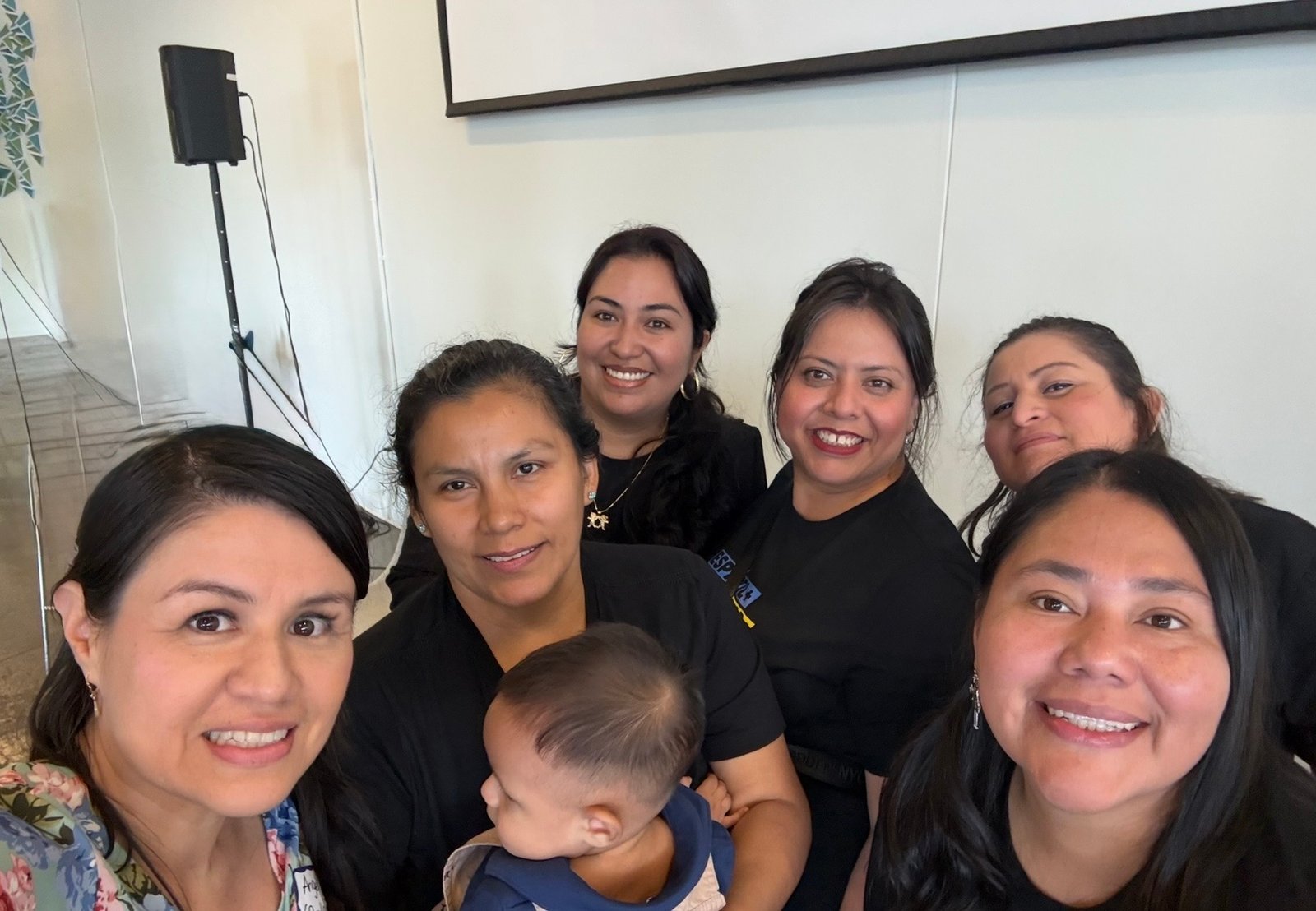
Since then, ISLA’s Parent Researchers program has been creating opportunities for Latino parents to learn research methods and investigate issues that matter most to their communities. This year, I had the privilege of partnering with ISLA as a research consultant to design and lead the program’s third community-based research project, training four Latina mothers to become community researchers.
Together, we explored how nutrition security, economic stability, and emotional well-being influence early childhood development among Spanish-speaking Latino families in North Carolina.
The project included surveys with 63 parents and caregivers of young children and 16 semi-structured interviews conducted by the mothers themselves. But the most important lesson we learned was not about food insecurity or child development. It was about what becomes possible when rigorous research methods are combined with community knowledge.
Too often, we ask Latino families to participate in research without inviting them to help produce it. We collect their stories, analyze their experiences, and publish recommendations that may never return to the communities that made the work possible.
This project challenged that model.
The Latina mothers who joined our research team were not simply participants. They were trained to conduct interviews, ask meaningful questions, identify patterns, and interpret what they heard from other families. Their shared language, cultural understanding, and lived experiences created levels of trust that are difficult to replicate through traditional research approaches.
At the same time, community-led research does not mean abandoning scientific rigor. Good intentions alone are not enough. Community expertise and academic expertise are complementary, not interchangeable. Researchers bring methodological expertise. Communities bring cultural knowledge, trust, and lived experience. Neither is sufficient on its own.
When these two forms of knowledge work together, communities become visible in ways that traditional approaches often miss.
What did the families teach us?
First, food insecurity is often invisible. Many families are not experiencing extreme hunger. Instead, they are living with the constant mental labor of stretching every dollar, comparing grocery store prices, planning meals around weekly discounts, and making difficult decisions about nutritional quality. Parents consistently prioritize their children’s needs over their own, often protecting them from the economic realities they carry every day.
Second, economic stability can be surprisingly fragile. Some families have jobs, transportation, and stable housing, yet remain only one illness, one reduced paycheck, or one unexpected expense away from significant hardship. Stability is not simply about income; it is about whether a family can absorb life’s inevitable disruptions without compromising their children’s well-being.
Third, child well-being cannot be separated from family well-being. Families spoke about food, but they also spoke about childcare costs, access to therapy services, language barriers, social isolation, and mental health. They reminded us that children do not develop in isolation. Early childhood development is deeply connected to the conditions that shape parents’ daily lives.
Finally, community is not a luxury — it is infrastructure. Again and again, families described churches, schools, community organizations, and relationships with other parents as critical sources of support. These networks provide more than food or information. They offer belonging, emotional support, and resilience during difficult moments.
Sign up for the EdWeekly, a Friday roundup of the most important education news of the week.
The most important finding of this project is not that food prices are rising or that Latino families need more support. We already knew that.
Latino families are not asking to be saved. They are asking to be seen, heard, and invited to help shape the systems that affect their children. They are asking for information in Spanish, opportunities to connect with other families, culturally responsive services, and meaningful participation in decisions that impact their lives.
Community knowledge is powerful. But when it is paired with rigorous research methods, it becomes evidence that can influence programs, policies, and systems.
The full research report is available here for those interested in exploring the findings and recommendations in greater depth.
When organizations invest in community leadership and researchers are willing to work alongside families — not simply study them — we begin to produce knowledge that is more rigorous, more humane, and more useful for building equitable systems for children and families.
If we want better outcomes for children in North Carolina, we must move beyond asking communities to participate in research. We must invite them to help lead it.
