


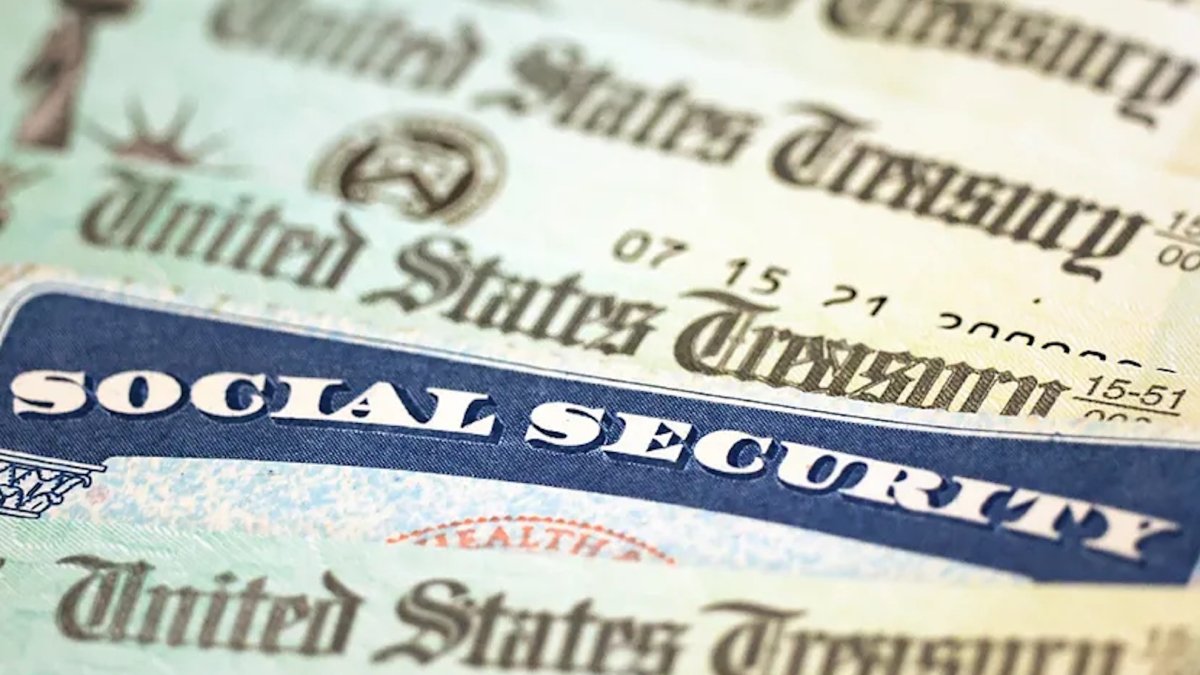
Social Security recipients have entered the three-month stretch that will determine how much their benefits increase in 2027, but the first official piece of that calculation is still days away.
The latest projection from The Senior Citizens League estimates that next year’s cost-of-living adjustment will be 3.8%, holding steady from the organization’s previous forecast. That would be a full percentage point above the 2.8% COLA applied in 2026 and the largest increase since benefits rose 8.7% in 2023.
Assessing Tax Obligations: Easy Calculations for W2 Earners
A 3.8% adjustment would add approximately $73.62 to the average benefit used in the group’s forecast, raising it from $1,937.53 to about $2,011.15 a month. Individual increases would depend on each recipient’s existing benefit.
The estimate may sound encouraging to households confronting higher grocery, housing and utility costs, but it isn’t yet an official raise. July, August and September inflation data will decide the final figure, and none of those readings was available when the latest forecast was issued.
“A 3.8 percent COLA might sound like a lot compared to last year’s 2.8 percent, but it won’t be enough to make up the difference between what seniors bring in and what they need to live with dignity,” The Senior Citizens League executive director Shannon Benton said.
Why July inflation report matters so much
Social Security’s annual COLA is based on the Consumer Price Index for Urban Wage Earners and Clerical Workers, known as the CPI-W.
The Social Security Administration compares the average CPI-W reading from July, August and September with the average from the same quarter one year earlier. The percentage increase, rounded to the nearest tenth of a percentage point, becomes the following year’s COLA.
June’s CPI-W was 3.5% higher than it had been a year earlier, but June is not part of the official calculation. It helped economists refine their forecasts, while July will provide the first number that actually counts.
The Bureau of Labor Statistics is scheduled to release July inflation data on August 12. August figures will follow on September 11, with the September report due at 8:30 a.m. ET on October 14.
Only after that final report can the government confirm the 2027 adjustment.
A larger COLA may not feel like financial gain
A higher adjustment does not necessarily mean retirees will have greater purchasing power. COLA rises when inflation remains elevated, meaning recipients may already be paying more for the goods and services the increase is designed to cover.
Older Americans can also experience inflation differently from the working households reflected in the CPI-W.
Retirees typically spend a greater proportion of their budgets on medical care and housing, while Medicare premium increases can consume part of the additional monthly benefit before it reaches their bank accounts.
Social Security recipients will generally see the new COLA in January 2027 payments. Supplemental Security Income recipients are expected to receive their first adjusted payment on December 31 because January 1 is a federal holiday.
The 3.8% estimate is therefore the clearest guide available, not a guaranteed outcome. Inflation could strengthen and push the adjustment higher, or ease enough during the next three reports to reduce it.
