


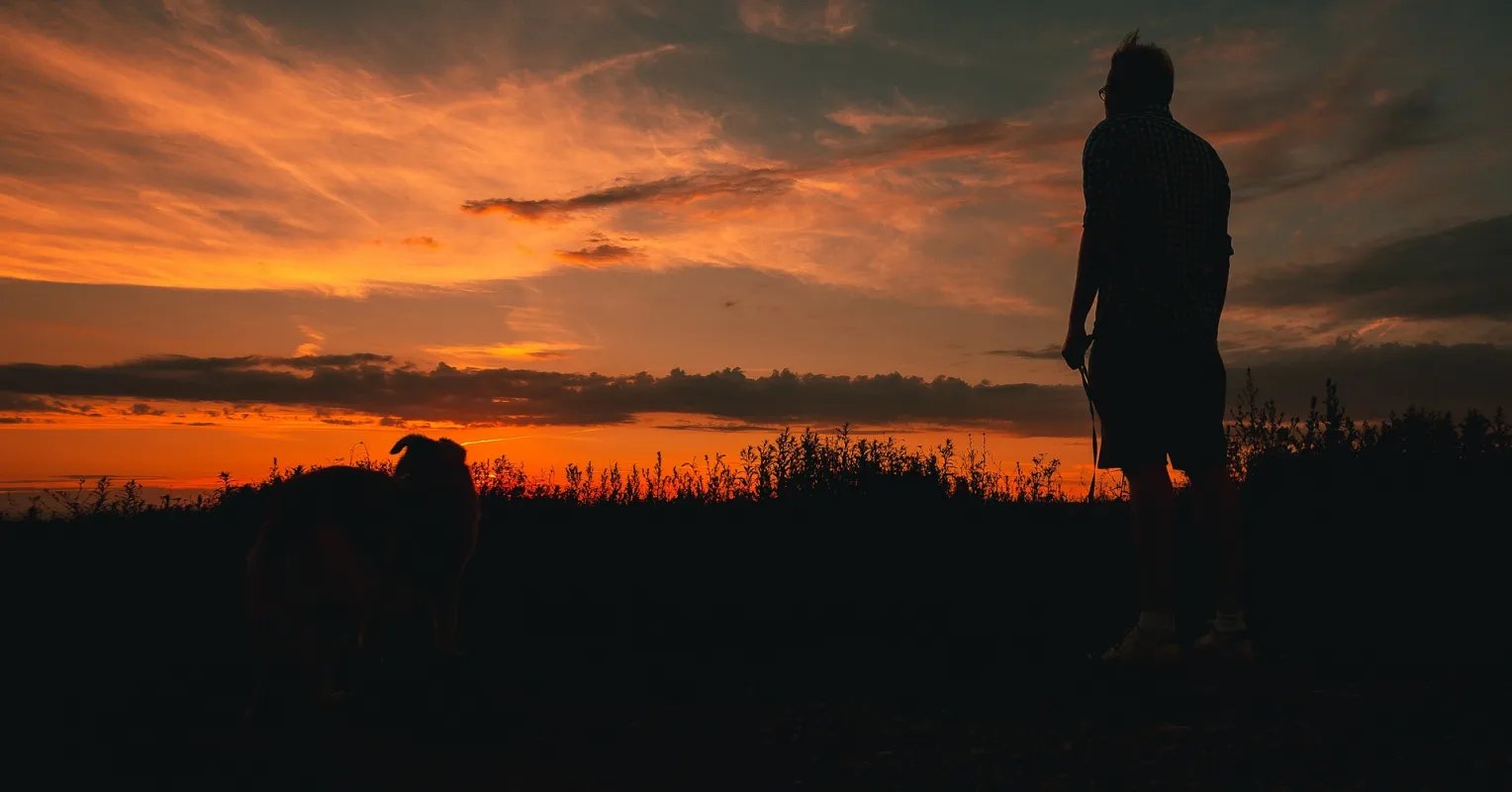
Can nature heal? Human history regarding the relationship with nature is paradoxical. On one hand, the notion that time in nature may confer healing properties is intuitive: Nature is where we’re from as a species. Our systems have evolved to fit that environment, and we should feel at home in it. Indeed, nature fascinates us and produces experiences of awe; visiting nature is a favored pastime. Many people, when they seek to relax, recharge, or set their mind right, will opt to spend time in nature—hiking, viewing, camping, gathering, meditating, etc.
On the other hand, if nature is so great, why have we as a species labored so hard to escape it? The story of humanity is that of fearing, seeking to tame, exploit, and distance ourselves from nature.
By the evidence of day-to-day life in the civilizations that we have constructed, we seek to deny nature. We do not wish to rise with the sun and go to sleep at nightfall; we do not wish to experience wild shifts in temperature; we do not prefer living “one with the elements.” We seek to affect the natural environment by our actions, not vice versa. Our cultural innovations go counter to nature: There is no medicine in nature, only disease; there’s no equality in nature, only hierarchy; there is no justice, or art, or mercy in nature; there is only nature in nature.
The question arises: How does nature immersion affect our well-being? For people like us, who have labored to distance themselves from nature, does getting back to nature feel like returning home or like getting lost in the wilderness?
Psychological Research on Nature Immersion
Over the last 35 years, psychologists have become increasingly interested in the potential therapeutic effects of nature immersion and begun looking systematically into this question. Nature, for the purpose of such research, may be defined as an organic environment that includes major ecosystem and life-cycle processes such as birth, death, reproduction, and inter-species relations. Nature immersion research in psychology has focused mainly on three modes of contact with nature: viewing nature, being in nature, and active engagement in nature-related activities (e.g., meditation in forests, gardening). Results have tended to converge on the benefits of nature exposure for individuals’ physical, psychological, and physiological well-being.
For example, a study by Australian researcher (2016) Danielle Shanahan and colleagues found a dose-response relationship between frequency and duration of nature exposure and health outcomes such as blood pressure and depression, noting that “up to a further 7% of depression cases and 9% of high blood pressure cases could be prevented if all city residents were to visit green spaces at least once a week for an average duration of 30 minutes or more.”
A 2019 meta-analysis by University of Utah’s Nancy Qwynne Lackey of the potential mental-health benefits of nature-based recreation reviewed 51 articles, 90 percent of which reported at least one positive association between nature-based recreation and mental health.
Gregory Bratman of the University of Washington and colleagues (2019) reviewed the existing evidence and drew several scientific consensus conclusions, including:
- Evidence supports an association between common types of nature experience and increased psychological well-being
- Evidence supports an association between common types of nature experience and a reduction in risk factors and burden of some types of mental illness
The authors note: “The findings strengthen the case for integrating natural environments into mental-health strategies and urban planning policies, although rigorous trials are needed to guide practice and policy.”
A 2021 review from Marcia Jimenez of Harvard and colleagues found “evidence for associations between nature exposure and improved cognitive function, brain activity, blood pressure, mental health, physical activity, and sleep.” In particular, the authors reviewed experimental studies that provide evidence that the link is causal: Exposure to natural environments causes improved mental health and cognitive function.
Nature immersion may exert its effects even virtually. A recent study (2025) by Chinese researcher Chen Gao and colleagues found that psychiatric patients exposed to a short-term virtual reality (VR) nature immersion protocol exhibited “significant reductions in perceived stress, depression, and anxiety, along with significantly lower heart rates (compared to the controls), a significant improvement in positive emotions, and reduced negative emotions.
A 2026 global review of more than 3,800 studies involving more than 10 million people, published in the journal Nature, found that “contact with nature reduces symptoms of anxiety and depression while promoting relaxation.”
These positive effects are predicted by the “biophilia” hypothesis, which argues that we have an innate affinity for the natural world, an inborn tendency to focus on life and lifelike processes. Indeed, research has linked nature exposure to increased positive emotion. Nature exposure appears to promote parasympathetic activation, lowering heart rates and blood pressure. In addition, immersion in nature has been linked to decreased amygdala activation, reductions in cortisol levels, and decreased cerebral activity in the prefrontal cortex, all relaxation indicators.
Environment Essential Reads
Another potential explanation is proposed by Attention Restoration Theory (ART), which argues that mental fatigue and concentration can be improved by contact with nature, because natural environments tend to neutralize “directed attention fatigue” experienced by our common immersion in day-to-day routine urban and digital environments. Yet the data on how nature exposure affects attention are far from conclusive.
Implications
In sum, there is now robust evidence to suggest that experiences of nature immersion deliver positive mental health effects for many people across cultures. These data have important implications for how we should design living quarters and public spaces, as well as school curricula and mental health interventions. Nature immersion may be viewed as a trans-diagnostic protective factor, a “behavioral immunogen,” alongside other well-documented factors such as sleep, physical activity, and social connectedness.
