


Key Takeaways
Forest therapy isn’t just being outside—what sets it apart is pairing time in nature with mindfulness, meaning a genuine, sensory-aware acknowledgment of your surroundings rather than a distracted stroll.
Nature works on the nervous system in multiple ways at once: regulating circadian rhythm through natural light, demanding less from your attention span than screens do, and inspiring gratitude—all of which are independently linked to lower anxiety and depression.
Consistency matters more than duration—even 5 to 10 minutes of mindful outdoor time daily can compound into meaningful mental health benefits over time.
The benefits of fresh air on mood are well-known, but a growing body of research has identified the specific practice of “forest therapy” as an effective prevention and treatment method for symptoms of depression and anxiety.
A 2021 study in the International Journal of Environmental Research and Public Health reviewed studies on forest therapy published between 1990 and 2020. They found that forest therapy was consistently associated with an improvement in depression and anxiety symptoms in both healthy individuals and people with these conditions. More research is needed to tease out exactly how and why, but these results indicate that forest therapy may have real mental health benefits.
But what exactly is forest therapy, and why is it so effective? We asked clinical psychologists to weigh in and provide some tips.
What Is Forest Therapy?
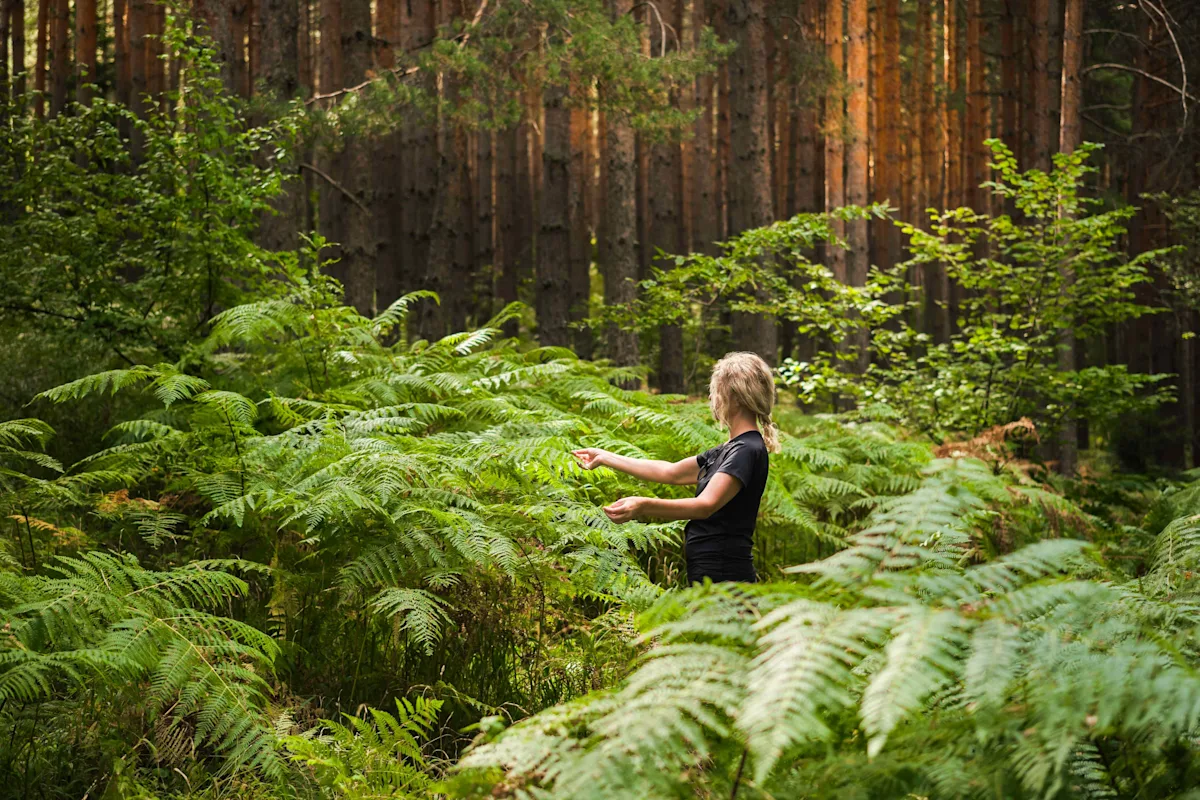
According to the study, forest therapy is an umbrella term for a variety of activities—meditating, walking, playing a game or sport, chatting with a friend, you name it—that take place in a forest environment and promote well-being. But what sets forest therapy apart from just being outside is a meaningful acknowledgement of the natural environment through the five senses.
“Simply going for a walk in a forest isn’t going to yield the most meaningful outcomes,” says Stephanie Freitag, PhD, licensed clinical psychologist. “We need to pair the activity of forest bathing, walking, or hiking with mindfulness, which is to be truly present with our sensory experiences.”
The authors of the study note that more research is needed to identify which types of forests and activities are the most effective for a forest therapy practice. But for now, experts agree that any time spent in nature can help people detach from the chaos of daily life. “Many people spend their days in a constant state of stimulation, notifications, traffic, deadlines, screens, and endless demands on their attention,” says Jessica Meers, clinical psychologist. “Time in nature gives the nervous system a chance to settle.”
Why Is Forest Therapy So Effective?
“Whenever people take the opportunity to get outside to reconnect with the environment, whether on a walk, hike, or other exploration, they describe feeling more relaxed, recharged, and mindful,” Freitag says. But why is this?
Experts say there are several factors at play. Meers notes that natural light is important for circadian rhythm regulation, which supports healthy sleep and relaxation. The natural environment also demands much less of our attention spans, giving the nervous system a chance to take a break. “Nature gently captures our attention, without demanding anything from us,” Meers says. “Unlike scrolling through a phone or responding to emails, it allows the brain to engage without becoming overloaded.”
The beauty of nature can also inspire feelings of gratitude, which have been shown to reduce feelings of depression and anxiety. “Substantial research suggests that mindfulness plus gratitude are the key to well-being,” Freitag says. “Notice how you perceive the environment through the five senses while acknowledging the joyousness and beauty of [nature], which is so easy to take for granted.”
Elements of a Successful Forest Therapy Practice
Make It a Habit
“Consistency matters more than intensity,” Meers says. “A single walk in the woods can boost mood, but the real benefits come when spending time in nature becomes a regular practice.” Start small: Adding just 5 or 10 minutes of mindful outside time to your daily routine will compound over time.
Turn Off Devices
Both Freitag and Meers emphasize that the effectiveness of forest therapy comes from nature’s gentle stimulation of the senses. Turn off your phone and leave other devices at home to be fully immersed in nature.
Bring a Notebook
Mindfulness is all about focusing on your surroundings. To aid in that process, Freitag recommends jotting down thoughts, feelings, and sensory reactions that arise during the experience.
Read the original article on Real Simple
