


When the Guam System for Assistive Technology (GSAT) opens its 32nd Annual Assistive Technology Conference next week, the focus won’t be on gadgets for the sake of gadgets. It will be on something far more fundamental: giving people the tools to participate fully in their own lives.
The two-day conference, scheduled for June 12-13 at The Westin Resort Guam’s Somnak Ballroom, is built around the theme, “Assistive Technology: Unlocking the Everyday.” According to GSAT, the goal is simple but ambitious: to show how the right technology can remove barriers in communication, mobility, learning, employment and independent living.
Day One, on June 12, is designed for service providers: teachers, therapists, caseworkers, clinicians, nonprofit staff and government personnel who support individuals with disabilities. Day Two, on June 13, shifts the focus to individuals with disabilities, their families and caregivers, offering hands-on demonstrations and practical tools for daily life.
GSAT Project Coordinator Leah Abelon, who has helped run the conference for more than 15 years, said the event remains one of the island’s most important annual gatherings for the disability community.
“This conference is really about leveling the playing field,” she said. “Assistive technology helps people feel confident again, be more included, and have more independence at home, school, and work.”
A deep dive for service providers – June 12
Abelon said Day One is filling up quickly, with only about 30 seats remaining as of this week. The service-provider track is built around strengthening the systems that support individuals with disabilities and ensuring those systems keep pace with available technology.
“We want to give service providers the resources they need so that when someone walks into their office – maybe someone who is deaf or hard of hearing – they know how to communicate with them and what tools are available,” she said.
Presenters include:
- The National Deaf Center on Postsecondary Outcomes, speaking on accommodations and assistive technology that support real-world participation for deaf and hard-of-hearing individuals.
- A keynote speaker sharing lived experiences growing up deaf or hard of hearing and how the right supports shaped his success.
- Guam Community College’s Barbara Mafnas, presenting on the Workforce Innovation and Opportunity Act, or WIOA, and how agencies collaborate to expand opportunities.
- The Department of Integrated Services for Individuals with Disabilities, or DISID, discussing how the agency is expanding access to assistive technology.
- GSAT team members, including a session on wellness for service providers, a nod to the emotional labor that comes with the work.
There also will be a networking session designed to help agencies connect, collaborate and refer clients more effectively.
A hands-on experience for families – June 13
If Day One is about strengthening the system, Day Two is about empowering the individual.
The June 13 session, already nearing capacity with about 145 registrants, is designed for individuals with disabilities, their families and caregivers. It aims to show what’s possible, what’s available and how to use tools that can make daily life easier, safer and more independent.
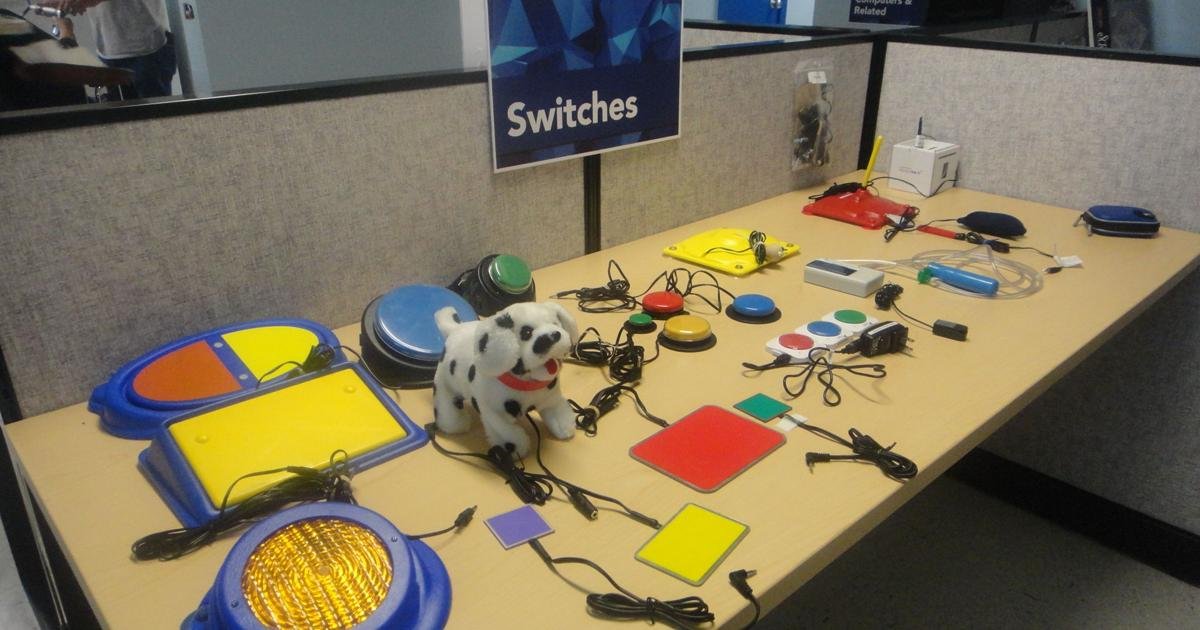
One of the highlights will be the Assistive Technology SmackDown, a rapid-fire showcase of tools across multiple categories, including vision, hearing, communication, mobility and daily living.
Participants will see everything from magnifiers and screen readers to optical character recognition, or OCR, apps that can scan and read text aloud in real time. They’ll learn how built-in accessibility features on everyday devices, such as iPhones and iPads, can be used immediately at no cost.
Abelon said many people don’t realize how much technology they already have at their fingertips.
“So many people have these devices, but they don’t use the accessibility features,” she said. “Sometimes the tools are already there – they just need to know how to access them.”
She shared one story from a past conference that has stayed with her: a visually impaired woman who struggled to read labels at the grocery store. She used to bring items to the cashier for assistance. After borrowing a magnifier from GSAT, everything changed.
“It totally changed her life,” Abelon said. “Now she just magnifies the item right there in the aisle. It’s a life-changer.”
A community that needs more awareness – and more access
Abelon said Guam’s disability community is large, diverse and often underserved, not because of a lack of need, but because of a lack of awareness.
“Not all disabilities are visible,” she said. “Some people shy away from services because they’re not ready to accept their disability, or they don’t know what’s available.”
She added that Guam’s geographic isolation creates additional challenges. Specialized equipment can take months to arrive. The island has no certified seating-and-mobility specialists and no assistive technology professionals who can conduct assessments for customized devices.
For now, GSAT focuses on what it can provide: education, demonstrations, device loans and connections to off-island vendors when needed.
What success looks like
For Abelon, the measure of a successful conference isn’t attendance numbers, though both days are nearly full. It’s what happens afterward.
“A positive indicator is when people use what they learned,” she said. “When service providers implement the training with their clients, and when individuals with disabilities tell us how the tools helped them be more productive or more independent.”
She hopes the conference sparks more collaboration among agencies, greater community awareness and more confidence among individuals who may be hesitant to seek support.
“We all serve the same purpose,” she said. “We want to build something consistent – something that changes people’s lives.”
Registration
Both days require registration and are capped at 150 participants. GSAT encourages anyone interested, especially service providers for Day One and families for Day Two, to register as soon as possible.
For registration or more information, contact the Guam System for Assistive Technology by email at gsat@guamcedders.org.
