


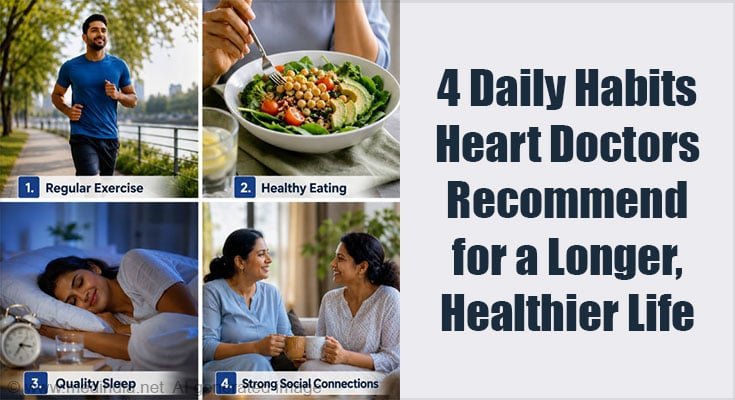
Heart health experts say exercise, healthy eating, sleep, and strong social connections may lower chronic disease risk and support healthy ageing.
Highlights:
- Regular physical activity is associated with lower risks of heart disease and premature death
- Healthy sleep and balanced nutrition support recovery, metabolism, and cardiovascular health
- Strong social relationships and emotional wellbeing may improve long-term health outcomes
Yes, heart doctors say that simple daily habits such as regular exercise, healthy eating, quality sleep, and maintaining strong social relationships may help people live longer and reduce the risk of chronic diseases (1✔ ✔Trusted Source
Physical activity
Go to source
)(2✔ ✔Trusted Source
Life’s Essential 8
Go to source
).
Research consistently shows that these behaviors are associated with lower risks of heart disease, stroke, obesity, type 2 diabetes, and premature death. Public health experts increasingly focus on preventive healthcare because many major illnesses are strongly influenced by daily lifestyle choices.
Advertisement
Why Heart Doctors Emphasize Daily Lifestyle Habits
Preventive cardiology focuses on reducing disease risk before serious illness develops. According to the , physical inactivity, unhealthy diet, poor sleep, chronic stress, and social isolation are major contributors to non-communicable diseases globally.
A cardiothoracic surgeon with more than 25 years of experience recently highlighted four core habits commonly recommended for long-term heart health:
1. Daily movement
2. Nutritious eating
3. Proper sleep
4. Emotional wellbeing
The advice aligns closely with guidance from major public-health organizations and cardiovascular experts.
Advertisement
Regular Exercise Has Strong Evidence for Longer Life
Among all lifestyle behaviors, physical activity has some of the strongest scientific evidence for improving long-term health outcomes. Studies show that physically active adults generally have lower risks of cardiovascular disease, high blood pressure, stroke, metabolic disorders, and premature mortality.
Experts commonly recommend combining aerobic exercise with strength training because both provide different health benefits.
Type of Habit
Potential Health Benefit
Brisk walking, cycling, swimming
Improves heart and lung fitness
Strength training
Supports muscle and bone health
Daily movement
Reduces prolonged sitting risk
Consistent exercise routines
Supports healthy ageing
The World Health Organization recommends at least 150 minutes of moderate-intensity physical activity weekly for adults. Even modest increases in activity may improve circulation, blood sugar control, and emotional wellbeing.
Advertisement
Healthy Food and Sleep Help the Body Recover
Nutrition directly affects cholesterol levels, blood pressure, inflammation, and metabolic health. Diets rich in vegetables, fruits, legumes, whole grains, nuts, and healthy fats are consistently associated with better cardiovascular outcomes.
Sleep is another major pillar of health because important repair processes occur during rest (3✔ ✔Trusted Source
What Are Sleep Deprivation and Deficiency?
Go to source). During healthy sleep cycles, the body regulates hormones, repairs tissues, supports memory processing, and strengthens immune function.
Research has linked chronic sleep deprivation with higher risks of obesity, hypertension, depression, diabetes, and cardiovascular disease (3✔ ✔Trusted Source
What Are Sleep Deprivation and Deficiency?
Go to source). Maintaining regular sleep schedules and limiting late-night screen exposure may improve sleep quality.
Mental Wellbeing and Social Connection Affect Physical Health
Heart health experts increasingly recognize that emotional wellbeing and healthy relationships influence physical health outcomes. Chronic stress and loneliness may negatively affect sleep quality, blood pressure, lifestyle habits, and overall wellbeing.
People with stronger social support systems often demonstrate healthier routines, greater emotional resilience, and improved quality of life. Mental wellbeing may also help individuals maintain healthier eating habits, regular exercise, and better stress management practices.
Small Daily Choices May Improve Long-Term Health
Although healthy habits cannot completely prevent disease, evidence suggests that consistent lifestyle improvements may substantially reduce long-term health risks. Experts also caution that individual outcomes vary depending on genetics, healthcare access, environment, and existing medical conditions.
For readers wondering what these findings mean in daily life, the message is practical rather than extreme. Small, sustainable habits practiced consistently over time may have meaningful effects on long-term health and quality of life.
Simple Daily Dos and Don’ts for Better Heart Health
Do
Avoid
Walk or stay physically active daily
Sitting for long hours without movement
Eat more fruits, vegetables, and whole grains
Frequent intake of highly processed foods
Maintain regular sleep schedules
Late-night screen overuse and sleep deprivation
Stay socially connected and manage stress
Chronic isolation and unmanaged stress
The broader message from preventive health experts remains consistent: healthier ageing is often shaped by small daily choices repeated over many years.
Frequently Asked Questions
Q: What daily habits help improve heart health?
A: Regular exercise, healthy eating, quality sleep, stress management, and strong social relationships are commonly linked to better heart health.
Q: Can exercise really help people live longer?
A: Research shows that physically active individuals generally have lower risks of heart disease, stroke, diabetes, and premature death.
Q: How much exercise is recommended for adults?
A: The World Health Organization recommends at least 150 minutes of moderate-intensity physical activity per week for most adults.
Q: Why is sleep important for heart health?
A: Sleep supports hormone regulation, immune function, tissue repair, and cardiovascular recovery. Poor sleep has been associated with higher disease risk.
Q: What foods are considered heart healthy?
A: Experts commonly recommend fruits, vegetables, legumes, whole grains, nuts, and healthy fats as part of a heart-friendly diet.
References:
- Physical activity – (https://www.who.int/news-room/fact-sheets/detail/physical-activity)
- Life’s Essential 8 – (https://www.heart.org/en/healthy-living/healthy-lifestyle/lifes-essential-8)
- What Are Sleep Deprivation and Deficiency? – (https://www.nhlbi.nih.gov/health/sleep-deprivation)
Source-Medindia
