


Modern lifestyles often bring continuous mental and emotional pressure, which can influence overall health in many ways. Stress may result in hormonal imbalance, irregular periods, insomnia, mood swings, and tiredness in women with Polycystic Ovary Syndrome (PCOS). Medical management, exercise and good nutrition all contribute to controlling PCOS, but yoga is an approach that supports the body and mind.
Yoga helps the body to rebalance itself if practiced regularly. Slow movements, mindful breathing, meditation and deep relaxation promote harmony in the nervous system and endocrine system. A calmed mind brings a calm body, which affords a conducive atmosphere for good health.
Siddha Abhyaas is a beneficial practice for women with PCOS. This is a systematic yoga practice to enhance flexibility, circulation, body awareness and to get the body ready for advanced yoga practices. Daily practice helps to promote a free flow of energy, improve strength in body and develop a firm base for hormone balance. A loose and active body can contribute to emotional well-being, enabling women to navigate their daily lives with greater confidence and positivity.
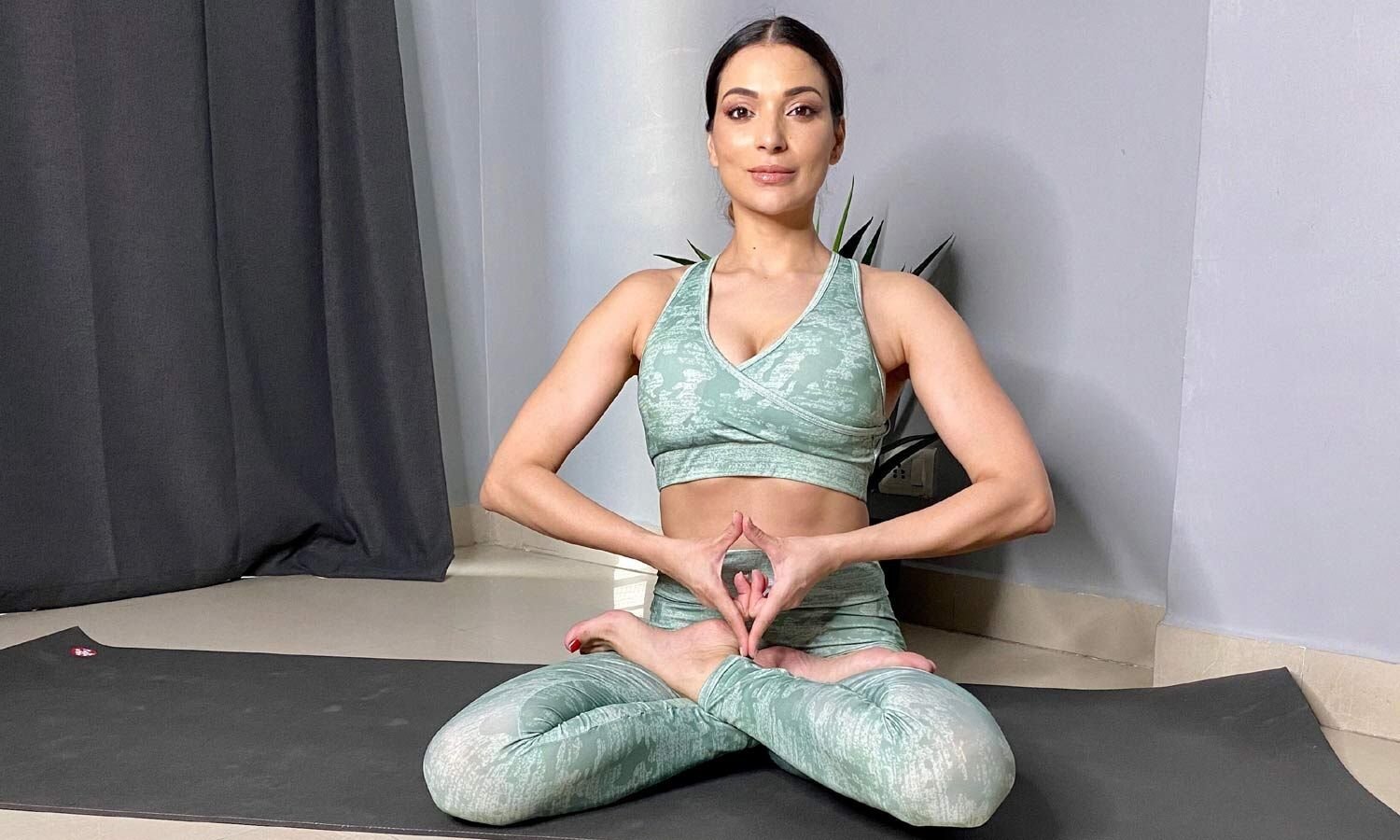
Yoni Mudra, a traditional yogi gesture related to inner awareness and feminine energy, is another extremely beneficial technique. By regular practice, Yoni Mudra helps to bring stability to the mind, harmony into the emotions and profound relaxation. A tranquil mind aids balanced hormonal function and also encourages peace of mind. This gentle and powerful practice often resonates into women’s emotional strength; their concentration and feeling of a holistic sense of well-being.
Bhramari Pranayama, also known as the humming bee breathing exercise, is incredibly beneficial for stress. The soothing humming vibration creates a calming effect on the nervous system and encourages slow, rhythmic breathing. This exercise helps calm the mind, balance emotions and promotes sleep. Bhramari Pranayama has a positive effect on the mind and thus all the hormones are at a healthy state, which is crucial for the women suffering from PCOS and it makes it a valuable addition to their daily yoga routine.
Deep relaxation is also a crucial component in balancing the physical and emotional body. Yoga Nidra, also called yogic relaxation, is a practice which leads the practitioner into a state of profound relaxation with gentle awareness. This practice is complete relaxation of the body allowing for the release of stored tension from the mind. The practice of Yoga Nidra regularly helps in emotional stability, better sleep, mental clarity and facilitates the natural healing processes in the body. Having a healthy, balanced mind and body provides an optimal hormonal environment.
The power of yoga is in its consistency. This holistic approach helps to promote hormonal balance, emotional well-being, increased energy, better sleep and daily life resilience. Each session is a chance to build up strength and sustained health.
Yoga, when practiced as a way of life, can make PCOS management more meaningful. By practicing with diligence, patience and mindfulness, Siddha Abhyaas, Yoni Mudra, Bhramari Pranayama, and Yoga Nidra, women can find a balance they have never known before, fresh vitality and a greater sense of wellbeing. Each movement on this path is a testament to the extraordinary resilience and capacity of the body to flourish when moving with awareness, breathing with awareness and sensing into the body.
(The writer is an author, columnist, spiritual leader and founder: Akshar Yoga Kendraa)
