


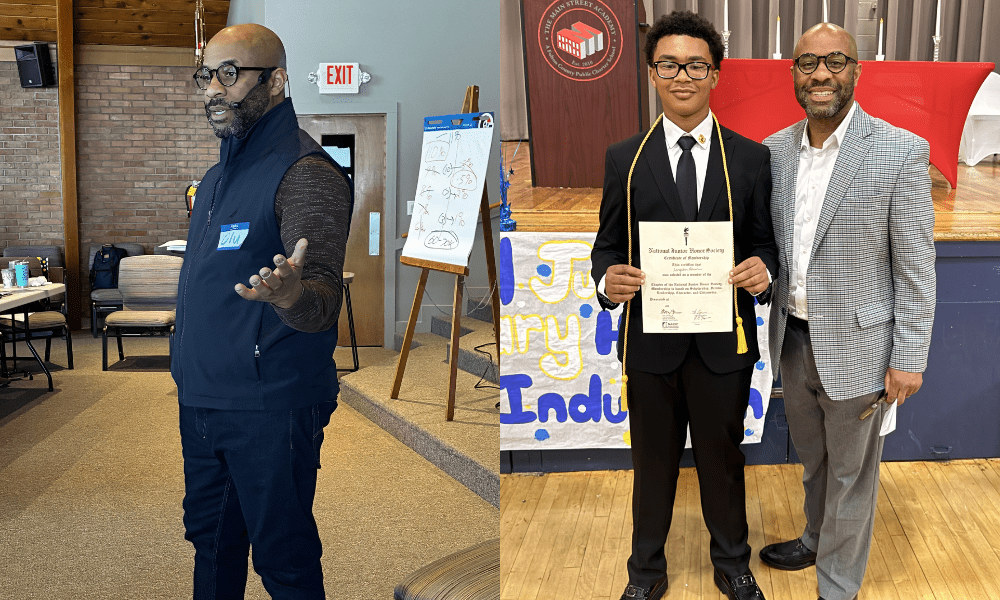
This article is shared in recognition of Mental Health Awareness Month and the importance of creating communities where emotional well-being is treated with the same care and attention as physical health.
Former pastor, community leader, and 2026 Georgia gubernatorial candidate Olu Brown believes mental health should be openly discussed, supported, and normalized within families and communities. Through years of personal experience and leadership, Brown says he has come to view mental wellness as an essential part of living a balanced and healthy life.
Growing up in a small Texas town with a diverse community of White, Hispanic, and African American residents, Brown says conversations around mental health were uncommon. Looking back, he believes many people struggled silently because emotional and psychological challenges were often considered taboo or misunderstood. In some communities, especially within certain faith settings, seeking therapy or counseling was not always encouraged.
Fortunately, Brown says his immediate family never discouraged conversations about emotional health. That support helped him embrace therapy and mental wellness early in adulthood. Since moving to Georgia in 1999, Brown has consistently worked with therapists for more than two decades, viewing those regular check-ins as part of maintaining overall wellness.
Brown explained that emotional health deserves the same consistent attention people give to exercise, nutrition, and sleep. Over time, he says his understanding of mental wellness expanded beyond therapy alone and became a broader lifestyle commitment that includes healthy relationships, boundaries, positivity, rest, and activities that help people recharge emotionally.
For some individuals, that may mean working with a licensed therapist. For others, it may involve exercise, spending time outdoors, traveling, or finding healthy ways to disconnect from stress. Brown emphasized that emotional wellness looks different for every person.
Brown also reflected on the role faith communities can play in supporting mental health. During his years as a pastor, he worked to normalize conversations around therapy by speaking openly about his own experiences. He believes that when leaders openly acknowledge seeking support themselves, it helps remove stigma for others who may be struggling privately.
At the same time, Brown stressed that faith leaders should recognize their limitations and help connect people with trained mental health professionals when necessary. While compassion and listening are important, he believes communities also need systems that guide people toward proper care and resources.
The need for stronger mental health support became even more visible during and after the COVID-19 pandemic. Brown pointed to the emotional strain many families experienced from isolation, grief, work-life imbalance, and constant stress. He also noted that today’s nonstop news cycle and social media environment can leave people emotionally overwhelmed.
Despite those challenges, Brown remains hopeful that conversations around mental health are becoming more open and compassionate. He believes stronger families, schools, workplaces, and neighborhoods are built when people feel supported, connected, and encouraged to care for themselves and one another.
For Brown, mental health awareness is ultimately about community. It is about creating environments where people feel seen, valued, and safe asking for help without fear of shame or judgment. Through his advocacy and leadership, Brown continues encouraging a culture of empathy, connection, and care, one where every person knows they matter and where communities grow stronger by supporting one another through life’s challenges. For more information on Brown’s leadership and community advocacy work, visit OluBrown.com.
