


Sleep is incredibly important, but getting a good night’s kip isn’t always easy, and at least one in five of us struggle with sleep on a weekly basis.
Poor sleep is also the top factor driving stress outside of work, according to a 2026 study by Mental Health UK. The study also found that a shocking 91% of adults in the UK report having suffered from high levels of stress or pressure in the last year, resulting in sleeplessness.
Clearly a widespread issue, it’s no surprise that we’re constantly looking for ways to improve our sleep – whether it’s practising meditation, avoiding screens or even wearing earplugs or mouth tape.
Another much-debated sleep aid is magnesium. “Magnesium has received particular attention because it contributes to normal nervous system function and muscle relaxation,” registered dietitian Bini Suresh says.
“Some research suggests adequate magnesium intake may be associated with improved sleep quality, especially in individuals with low magnesium status. However, the evidence is still evolving, and magnesium-rich foods should be viewed as part of an overall balanced diet, rather than a quick fix for sleep problems.”
There are a number of foods that help promote relaxation.
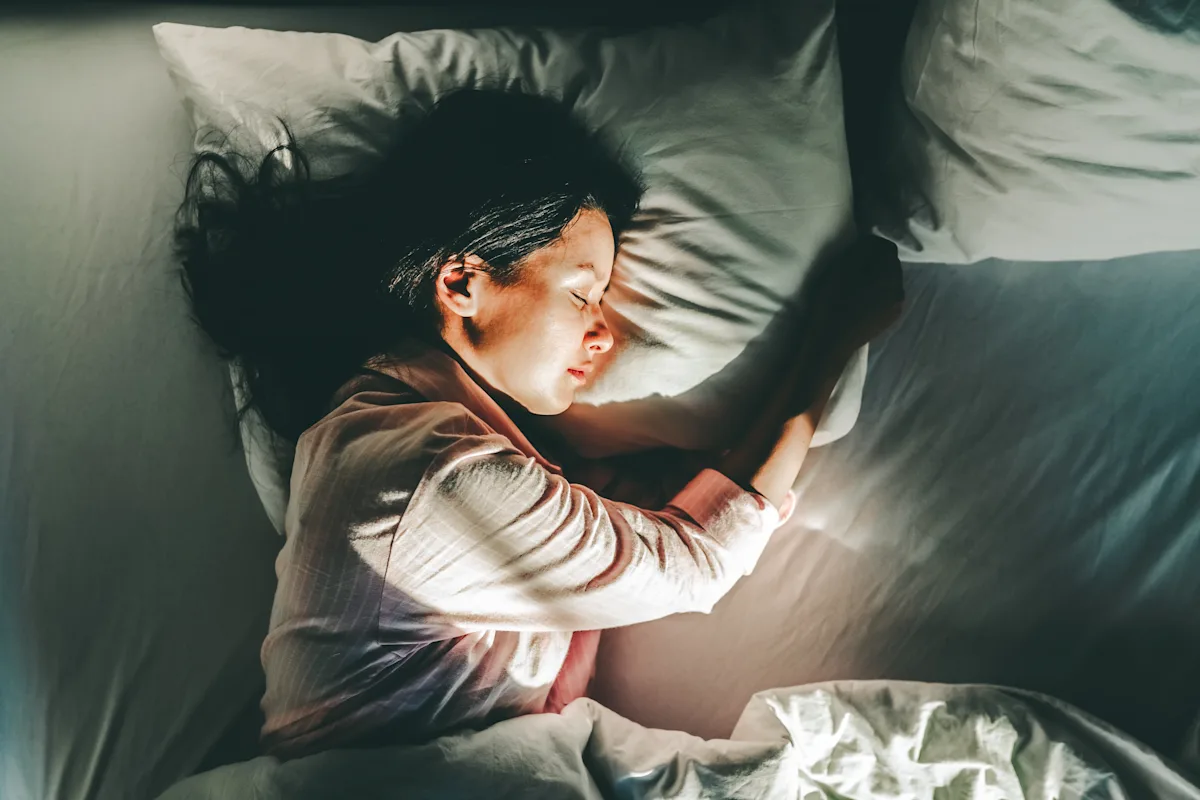
(Elena Yeryomenko / 500px via Getty Images)
Suresh indicates that foods rich in nutrients involved in producing sleep hormones, such as serotonin and melatonin – like magnesium, tryptophan, vitamin B6 and carbohydrates –are a good option for pre-bed snacks that might promote better sleep.
Here are five pre-bed snacks she suggests.
👉 Foods that may help you sleep
Bananas 🍌
Bananas make a great pre-bed snack.
(SimpleImages via Getty Images)
Bananas provide a number of beneficial nutrients, such as potassium, fibre, and various vitamins – including vitamin B6.
“Vitamin B6 plays a role in the production of serotonin and melatonin, hormones that help regulate the sleep-wake cycle,” says Suresh.
Bananas can also help increase tryptophan levels in the brain. Tryptophan is an essential amino acid that helps the body produce melatonin – the sleep hormone that signals when it’s time to rest.
Our bodies can’t naturally make tryptophan, so it’s crucial we get it from our daily diet.
Dark chocolate 🍫
Satisfy your sugar craving with some dark chocolate. Just don’t eat too much before bed.
(Photographer, Basak Gurbuz Derman via Getty Images)
Varieties of dark chocolate with a higher cocoa content contain a good amount of magnesium, which contributes to normal muscle and nerve function, supporting relaxation and sleep.
However, “chocolate also contains small amounts of caffeine and theobromine, which are mild stimulants,” explains Suresh.
She points out that, for those sensitive to caffeine, it may be better to eat dark chocolate earlier in the evening, rather than just before bed.
Cashew nuts 🥜
Cashew nuts contain magnesium and tryptophan, both of which help regulate sleep.
(towfiqu ahamed via Getty Images)
Nuts make a great snack day or night. But they could be especially helpful at nighttime. Cashews, in particular, contain a good mix of magnesium and tryptophan, both of which help regulate sleep.
“Nuts can make a satisfying evening snack because this combination of fat and protein helps promote satiety and may support more stable blood sugar levels overnight,” says Suresh.
Other nuts like peanuts and almonds also contain high levels of magnesium.
Pumpkin seeds 🎃
Just a small handful of pumpkin seeds can make a meaningful contribution to your daily magnesium intake.
(nalinratphi via Getty Images)
If you’re after a light snack, pumpkin seeds are a great option.
“Pumpkin seeds are one of the richest natural sources of magnesium. They also contain tryptophan and zinc, nutrients involved in sleep-related biochemical pathways,” Suresh explains.
Only a small handful is needed here, as too much can cause gas or bloating.
Oats or oatcakes 🍪
Oats contain complex carbohydrates, melatonin and magnesium.
(Dmitrii Kalashnikov via Getty Images)
The key to a good bedtime snack is one that doesn’t spike your sugar levels and cause you to have trouble settling down and sleeping.
Suresh says: “A small oat-based snack in the evening can feel calming and provide sustained energy without causing large spikes in blood sugar.”
Oats naturally contain the main sleep hormone, melatonin, which helps you fall asleep faster and more deeply.
Does portion size matter?
Yes. Suresh explains that, although certain foods may support relaxation and sleep regulation, timing and portion size also matter.
“Eating a large meal close to bedtime can disrupt sleep by increasing digestive activity, raising body temperature or triggering reflux, which may make it harder to fall asleep,” she tells Yahoo UK.
