

Close Menu

    Subscribe to Updates

    Get the latest creative news from FooBar about art, design and business.

    What's Hot

    Who is Really Responsible for the Care Coordination in Healthcare?

    March 11, 2026

    10 Daily Habits that Often Waste 97 Percent of Our Time and Energy in Life

    March 11, 2026

    Free boat rides, health camps mark Women’s Day fete

    March 11, 2026
    Facebook X (Twitter) Instagram
    Trending
    • Who is Really Responsible for the Care Coordination in Healthcare?
    • 10 Daily Habits that Often Waste 97 Percent of Our Time and Energy in Life
    • Free boat rides, health camps mark Women’s Day fete
    • Imagine Studio Releases New Trends Study Exploring the Future of Convenience, Loyalty, and Connected Well-Being
    • These tech tools make life easier and fairer for tenants
    • Beyond-Sleep Encourages Everyone to Sleep Better, Live Well on World Sleep Day
    • Why Your 2026 Social Security COLA Is Already Losing Value
    • These are the most emotionally intelligent countries
    Moving MountainsMoving Mountains
    Facebook X (Twitter) Instagram
    Wednesday, March 11
    • Home
    • Mental Health
    • Life Skills
    • Self-Care
    • Well-Being
    • Awareness
    • Inspiration
    • Workers Comp
    • Social Security
      • Injuries
      • Disability Support
      • Community
    Moving MountainsMoving Mountains
    Home » Study reveals nature’s profound impact on brain health and well-being
    Well-Being

    Study reveals nature’s profound impact on brain health and well-being

    TECHBy TECHFebruary 26, 2026No Comments3 Mins Read
    Facebook Twitter Pinterest LinkedIn Tumblr Reddit WhatsApp Email
    Study reveals nature's profound impact on brain health and well-being
    Share
    Facebook Twitter LinkedIn Pinterest WhatsApp Email

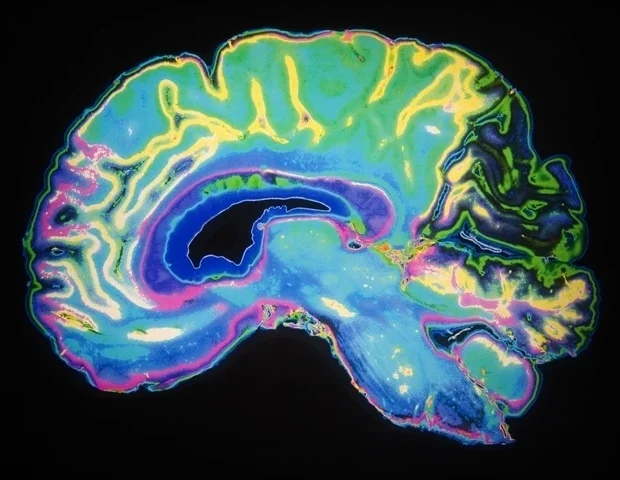
    Spending time in nature, even briefly, triggers changes in the brain that calm stress, restore attention and quiet mental clutter, a new study has found.

    Researchers at McGill University and colleagues at Adolfo Ibáñez University in Chile have examined more than 100 brain-imaging studies from various disciplines. The result is one of the most comprehensive reviews to date of how the brain responds to nature.

    The findings add neuroscientific weight to the emerging field of nature connectedness, which seeks to better understand how humans relate to the natural world, an experience long recognized across cultures as central to well-being.

    We know intuitively that nature feels good, but neuroscience gives us a language that lends credibility to shaping decisions about how nature is considered in health policy and the spaces we build.”


    Mar Estarellas, co-lead author, postdoctoral researcher in the Division of Social and Transcultural Psychiatry, Department of Psychiatry, McGill University

    Four signs of a more settled brain

    By synthesizing results from a wide range of studies, the researchers identified what they call a cascading pattern in how the brain responds to nature:

    • Shift in sensory processing: Fractal patterns in nature are easier for the brain to process and require less mental effort than the fast-paced and visually dense stimuli found in cities or online.

    • Stress systems settle: As sensory load eases, the body shifts out of fight-or-flight mode. Heart rate slows, breathing deepens and brain regions involved in threat detection, such as the amygdala, show reduced activity.

    • Attention restores itself: With stress reduced, the task-driven attention used in everyday life gives way to a more restorative mode of attention guided by the environment.

    • Mental rumination quiets: Brain networks linked to repetitive self-focused thinking become less active, supporting a calmer sense of self.

    What counts as ‘being in nature’?

    Nature exposure exists along a spectrum, from time spent in parks or near water to full immersion in forests or waterfalls. It also extends to smaller encounters, such as keeping plants at home or looking at pictures of nature.

    “As little as three minutes in a natural environment can lead to measurable changes, but more immersive, real-world experiences and longer exposure are generally associated with stronger and longer-lasting effects,” Estarellas said.

    Nature as a mental reset

    With concerns mounting about excessive screen time, Estarellas said the findings suggest nature offers a kind of mental reset that a digital detox alone can’t provide.

    The evidence also supports movements toward green urban design and “social prescribing,” where doctors recommend time in nature.

    “There’s also a broader societal impact,” said Estarellas. “Research shows people who feel more connected to nature tend to show more pro-environmental behaviour. Caring for nature and caring for ourselves aren’t separate, they reinforce each other.”

    Source:

    Journal reference:

    Baquedano, C., et al. (2026). Your Brain on Nature: A Scoping Review of the Neuroscience of Nature Exposure. Neuroscience and Biobehavioral Reviews. DOI: 10.1016/j.neubiorev.2026.106565. https://www.sciencedirect.com/science/article/pii/S0149763426000205?via%3Dihub

    brain Health Impact natures profound Reveals Study WellBeing
    TECH
    • Website

    Related Posts

    Free boat rides, health camps mark Women’s Day fete

    March 11, 2026

    Imagine Studio Releases New Trends Study Exploring the Future of Convenience, Loyalty, and Connected Well-Being

    March 11, 2026

    Beyond-Sleep Encourages Everyone to Sleep Better, Live Well on World Sleep Day

    March 10, 2026
    Leave A Reply Cancel Reply

    Don't Miss
    Workers Comp

    Who is Really Responsible for the Care Coordination in Healthcare?

    By TECHMarch 11, 20260

                                 …

    10 Daily Habits that Often Waste 97 Percent of Our Time and Energy in Life

    March 11, 2026

    Free boat rides, health camps mark Women’s Day fete

    March 11, 2026

    Imagine Studio Releases New Trends Study Exploring the Future of Convenience, Loyalty, and Connected Well-Being

    March 11, 2026
    Stay In Touch
    • Facebook
    • Twitter
    • Pinterest
    • Instagram
    • YouTube
    • Vimeo
    Our Picks

    Who is Really Responsible for the Care Coordination in Healthcare?

    March 11, 2026

    10 Daily Habits that Often Waste 97 Percent of Our Time and Energy in Life

    March 11, 2026

    Free boat rides, health camps mark Women’s Day fete

    March 11, 2026

    Imagine Studio Releases New Trends Study Exploring the Future of Convenience, Loyalty, and Connected Well-Being

    March 11, 2026

    Subscribe to Updates

    Get the latest creative news from SmartMag about art & design.

    About Us

    At Moving Mountains, we believe that every individual has strength, value, and purpose—regardless of mental health challenges or physical disabilities. This platform was created to inspire hope, promote understanding, and empower people to live meaningful and confident lives beyond limitations.

    Latest Post

    Who is Really Responsible for the Care Coordination in Healthcare?

    March 11, 2026

    10 Daily Habits that Often Waste 97 Percent of Our Time and Energy in Life

    March 11, 2026

    Free boat rides, health camps mark Women’s Day fete

    March 11, 2026
    Recent Posts
    • Who is Really Responsible for the Care Coordination in Healthcare?
    • 10 Daily Habits that Often Waste 97 Percent of Our Time and Energy in Life
    • Free boat rides, health camps mark Women’s Day fete
    • Imagine Studio Releases New Trends Study Exploring the Future of Convenience, Loyalty, and Connected Well-Being
    • These tech tools make life easier and fairer for tenants
    Facebook X (Twitter) Instagram Pinterest
    • About Us
    • Contact Us
    • Privacy Policy
    • Terms & Conditions
    • Disclaimer
    © 2026 movingmountains. Designed by Pro.

    Type above and press Enter to search. Press Esc to cancel.