
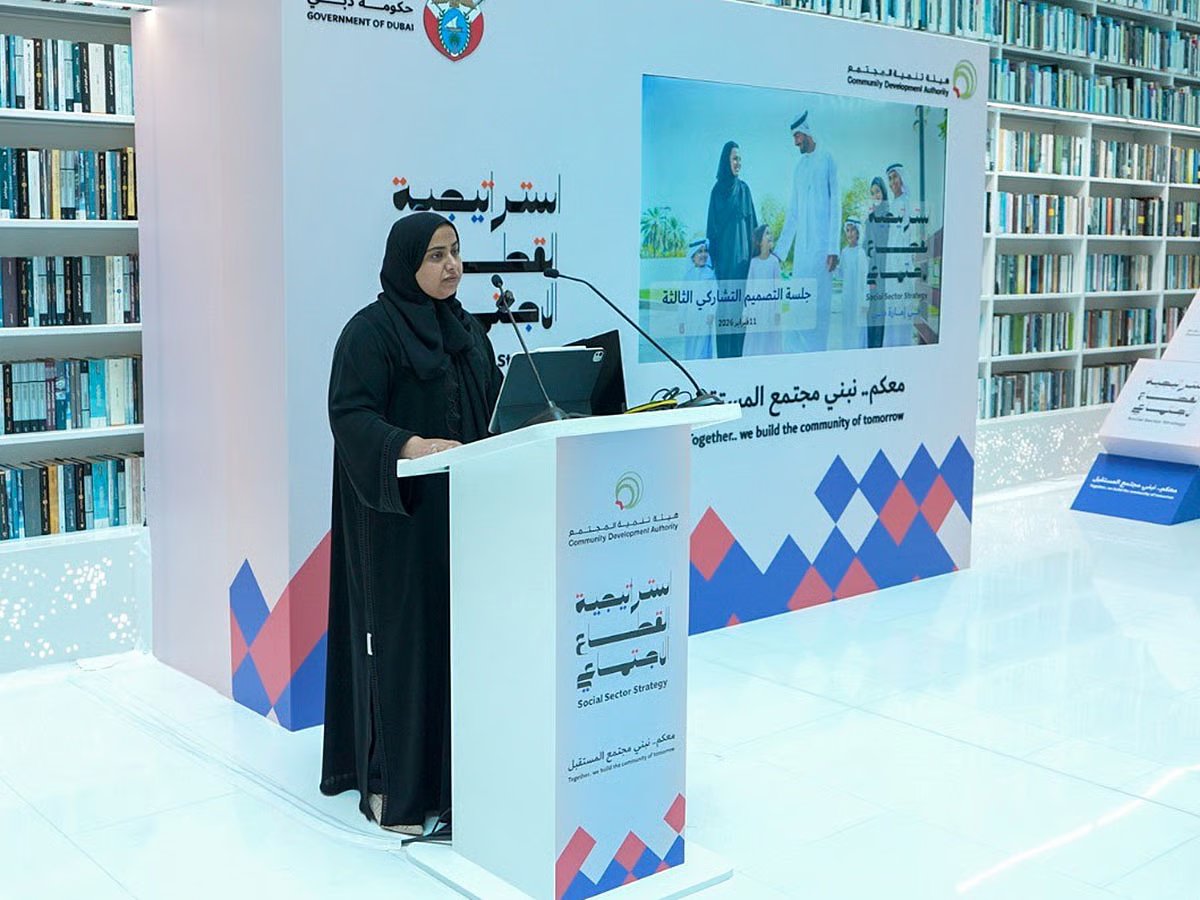
The strategy marks a shift from traditional care-focused approaches to a proactive model that invests in individuals’ capabilities, empowers families, and encourages active community participation. Its development drew on an extensive methodology, including analysis of over 30 studies and reports, benchmarking against 200 best practices in 12 countries, and consultations with 15 international and local experts. More than 20 strategic meetings with social sector partners ensured that the initiatives address the evolving needs of all community groups.
Trending
- Ethiopian Farmers Save Thousands by Switching to Solar Irrigation–While Cutting Emissions
- Trauma-Informed Counselling Gains Ground In Melbourne’s North-East
- The long walk to break silence on mental health
- Smoking rates reach historic low among youth in the US
- Dog Lost on 3rd Tallest Peak in England Finally Found After Three Weeks on Steep Ravine
- California Joins 30 States to Require Financial Literacy Courses For Teens in Every High School
- How Marketers Stop Being Order-Takers
- Why Social Security Can’t Be the Center of Your Retirement Income Plan


Monday, August 24
