


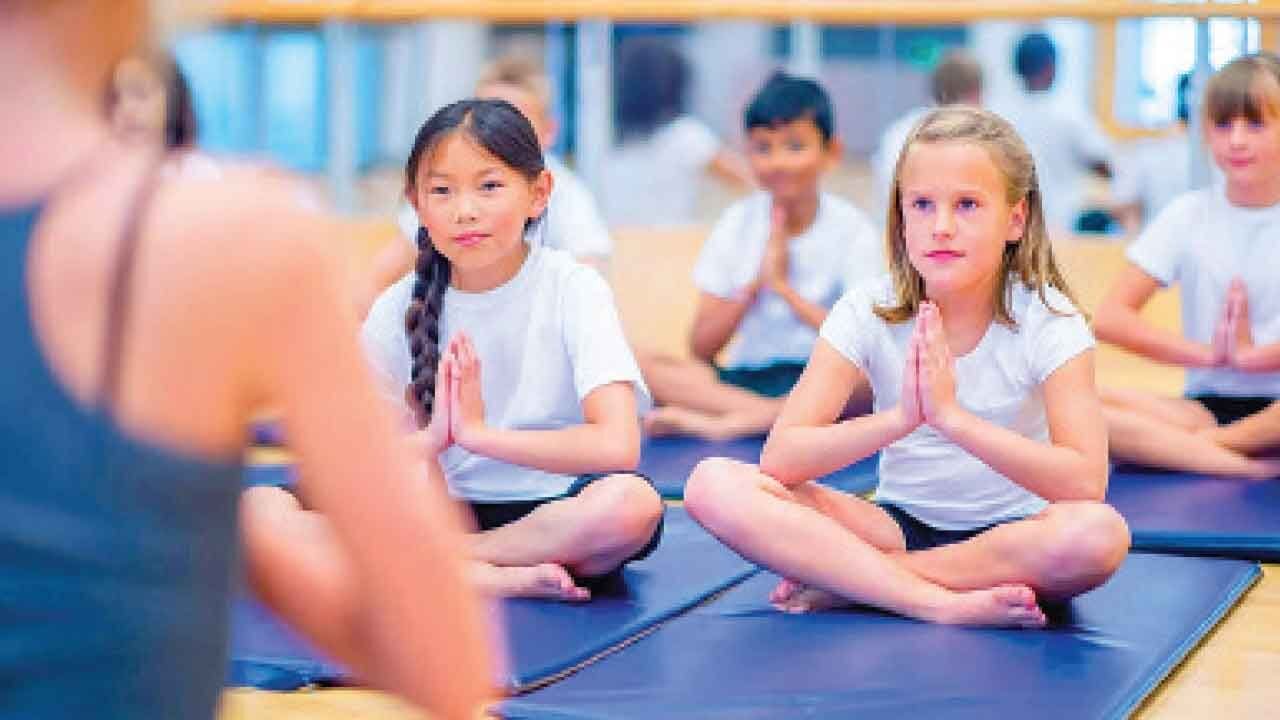
Health and fitness play a vital role in the overall development of students, especially during early childhood. Nurturing the well-being of young children through gentle activities helps build physical strength, emotional balance, and mental clarity. These early habits lay the foundation for a healthy lifestyle that can continue well into adulthood.
For young students, fitness does not mean intense exercise or competition. Simple activities such as stretching, walking, light games, and playful movement are effective ways to keep their bodies active while ensuring safety. These gentle forms of movement improve flexibility, coordination, and posture, while also supporting healthy growth. Regular physical activity helps children develop stronger muscles and bones, boosts immunity, and enhances energy levels throughout the day.
Health and fitness are equally important for mental and emotional well-being. Physical movement encourages better concentration, reduces stress, and supports emotional regulation in children. Students who engage in regular activity often show improved focus in the classroom and greater confidence in social interactions. Activities like yoga, breathing exercises, and mindful play can help children develop calmness and self-awareness at an early age. Equally important is the role of balanced nutrition and proper rest. Nutritious meals, adequate hydration, and consistent sleep routines work hand in hand with physical activity to support a child’s overall health. When students learn the value of caring for their bodies early on, they are more likely to make positive choices as they grow.
Health and fitness education should be integrated into daily routines at schools and homes. By encouraging movement, mindful habits, and healthy living from a young age, we equip students with the tools they need for lifelong vitality, resilience, and well-being.
