

Close Menu

    Subscribe to Updates

    Get the latest creative news from FooBar about art, design and business.

    What's Hot

    New sightings suggest two endangered whale species are rebounding

    July 17, 2026

    Why Your Morning Routine Needs a Document System, Not Just a To-Do List

    July 17, 2026

    Vacation Brain: Why Transitions Challenge Workplace Safety

    July 17, 2026
    Facebook X (Twitter) Instagram
    Trending
    • New sightings suggest two endangered whale species are rebounding
    • Why Your Morning Routine Needs a Document System, Not Just a To-Do List
    • Vacation Brain: Why Transitions Challenge Workplace Safety
    • 31 Words of Encouragement for Someone Recovering After a Fire
    • Holistic mental health policy needed for public and private sectors
    • A Republican Senator Has a Social Security Fix That’s Unlike Anything Else on the Table
    • Social Security’s 2027 COLA Estimate Holds at 3.8%— Here’s What That Means for Your Monthly Check
    • Firefighter rebrands himself as Virginia vigilante
    Moving MountainsMoving Mountains
    Facebook X (Twitter) Instagram
    Friday, July 17
    • Home
    • Mental Health
    • Life Skills
    • Self-Care
    • Well-Being
    • Awareness
    • Inspiration
    • Workers Comp
    • Social Security
      • Injuries
      • Disability Support
      • Community
    Moving MountainsMoving Mountains
    Home » New sightings suggest two endangered whale species are rebounding
    Community

    New sightings suggest two endangered whale species are rebounding

    TECHBy TECHJuly 17, 2026No Comments3 Mins Read
    Facebook Twitter Pinterest LinkedIn Tumblr Reddit WhatsApp Email
    Search
    Share
    Facebook Twitter LinkedIn Pinterest WhatsApp Email

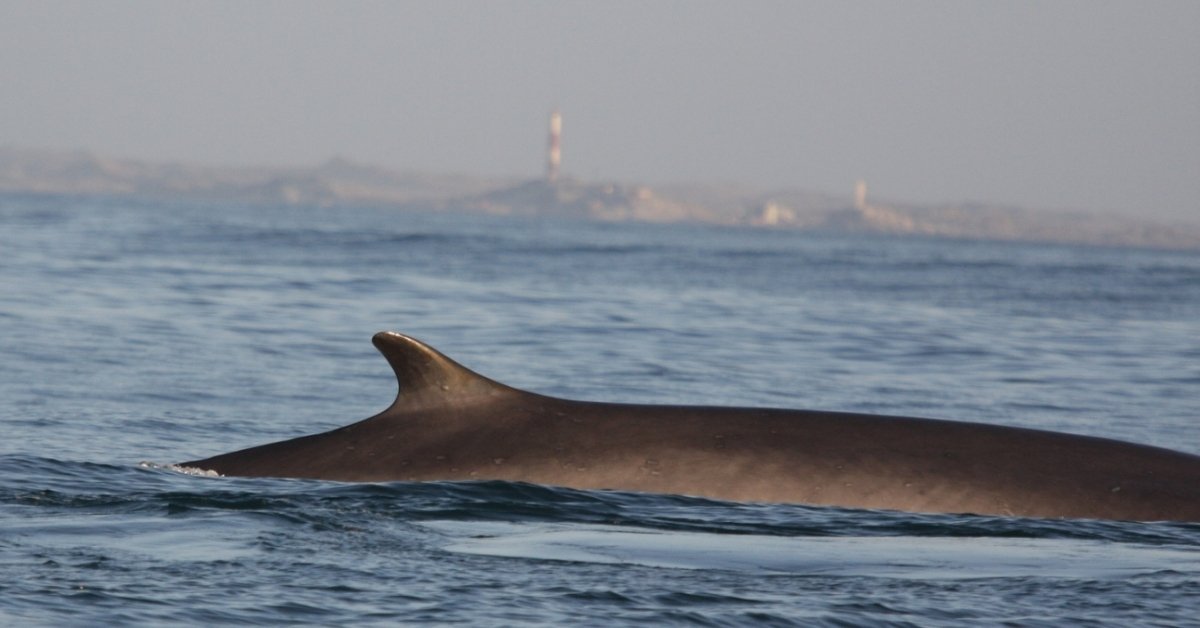
    Sightings of blue whales and fin whales off Southern Africa’s Atlantic coast have increased in recent years, according to a newly published study.

    This could signal recovery of the marine mammals after being virtually eliminated from the area by commercial whaling in the 20th century, the study authors say.

    Scientists estimate around 350,000 Antarctic blue whales (Balaenoptera musculus intermedia) and some 725,000 fin whales (B. physalus quoyi) were killed in the Atlantic during the industrial whaling era from 1913-1978, driving both whales to near extinction.

    A research team led by Bridget James of the University of Cape Town, South Africa, set out to assess if both subspecies are recovering in the Benguela ecosystem in the southeastern Atlantic. It’s a stretch of water between the west coasts of northern Angola, Namibia, and South Africa, where currents bring nutrients from lower ocean depths to the surface, producing rich blooms of krill, a marine crustacean that both whale subspecies eat.

    The team found that between 1964 and March 2025, there were 17 reports of blue whale sightings and one report of stranding in the region.

    They also recorded 76 fin whale sightings and six strandings. The blue whales were most often seen between late spring to summer (October-December) and autumn (March-April) in the Benguela ecosystem, while fin whales were seen year-round.

    While the number of sightings is still relatively low, 95% of them were recorded since 2012.

    Oregon State University/Flickr (CC BY-SA 2.0)

    James told Mongabay by email that the Benguela ecosystem is a migratory corridor between breeding and feeding grounds for the whales, and that increased whale sightings are an expected indicator of populations recovery.

    Current Antarctic blue whale populations are estimated to be around 3% of pre-whaling numbers, while fin whale numbers have recovered to more than 30% of historical levels.

    James said increases in their populations to at least 50% of pre-whaling abundance would suggest successful recovery for both subspecies. Whales have relatively few offspring and long intervals between births, which makes their recovery times very slow.

    James added that as whale numbers increase, they’ll face further challenges since the ocean now is a very different place than during whaling times, with many more large ships and industrial and vessel noise. She noted one blue whale had died off Namibia possibly due to a ship strike.

    Asha de Vos, a blue whale expert from Sri Lanka, not affiliated with the study, told Mongabay by email that “similar trends have been observed in other parts of the world following the end of commercial whaling.” She added these trends “are often consistent with gradual population recovery and the reoccupation of historical habitat.”

    De Vos said an increase in sightings could also reflect more whales traversing the region rather than an absolute recovery of numbers, and that the findings provide promising evidence that warrants continued long-term monitoring.

    ‍

    Featured Image: Courtesy of Sara Golaski/Namibian Dolphin Project

    ‍

    This article was originally published on Mongabay.

    endangered rebounding Sightings Species Suggest Whale
    TECH
    • Website

    Related Posts

    Firefighter rebrands himself as Virginia vigilante

    July 16, 2026

    NC builds ‘mirrored’ wildlife crossing for both humans and bears

    July 16, 2026

    Japanese Engineers Help Modernize India’s Massive Railway, Launching Her First Bullet Train

    July 16, 2026
    Leave A Reply Cancel Reply

    Don't Miss
    Community

    New sightings suggest two endangered whale species are rebounding

    By TECHJuly 17, 20260

    Sightings of blue whales and fin whales off Southern Africa’s Atlantic coast have increased in…

    Why Your Morning Routine Needs a Document System, Not Just a To-Do List

    July 17, 2026

    Vacation Brain: Why Transitions Challenge Workplace Safety

    July 17, 2026

    31 Words of Encouragement for Someone Recovering After a Fire

    July 17, 2026
    Stay In Touch
    • Facebook
    • Twitter
    • Pinterest
    • Instagram
    • YouTube
    • Vimeo
    Our Picks

    New sightings suggest two endangered whale species are rebounding

    July 17, 2026

    Why Your Morning Routine Needs a Document System, Not Just a To-Do List

    July 17, 2026

    Vacation Brain: Why Transitions Challenge Workplace Safety

    July 17, 2026

    31 Words of Encouragement for Someone Recovering After a Fire

    July 17, 2026

    Subscribe to Updates

    Get the latest creative news from SmartMag about art & design.

    About Us

    At Moving Mountains, we believe that every individual has strength, value, and purpose—regardless of mental health challenges or physical disabilities. This platform was created to inspire hope, promote understanding, and empower people to live meaningful and confident lives beyond limitations.

    Latest Post

    New sightings suggest two endangered whale species are rebounding

    July 17, 2026

    Why Your Morning Routine Needs a Document System, Not Just a To-Do List

    July 17, 2026

    Vacation Brain: Why Transitions Challenge Workplace Safety

    July 17, 2026
    Recent Posts
    • New sightings suggest two endangered whale species are rebounding
    • Why Your Morning Routine Needs a Document System, Not Just a To-Do List
    • Vacation Brain: Why Transitions Challenge Workplace Safety
    • 31 Words of Encouragement for Someone Recovering After a Fire
    • Holistic mental health policy needed for public and private sectors
    Facebook X (Twitter) Instagram Pinterest
    • About Us
    • Contact Us
    • Privacy Policy
    • Terms & Conditions
    • Disclaimer
    © 2026 movingmountains. Designed by Pro.

    Type above and press Enter to search. Press Esc to cancel.