


Summary: A new longitudinal study tracked 3,296 older adults aged 50 to 90. The findings revealed that close adherence to a Mediterranean diet directly predicts a higher level of long-term psychological well-being, encompassing essential quality-of-life dimensions like autonomy, self-realization, life satisfaction, and purpose.
The study unmasked a robust protective effect during the global disruptions of the COVID-19 pandemic: while societal lockdowns triggered widespread emotional distress, older adults fueling their bodies with a Mediterranean framework experienced a significantly muted emotional decline.
Key Facts
- Beyond the Absence of Depression: This research is unique because it measures what makes life worth living, rather than just the absence of disease. The study used specialized questionnaires to score positive psychological well-being across four distinct pillars: control, autonomy, pleasure, and self-realization.
- Complete Independence of Status: The positive association between a clean Mediterranean diet and high eudaimonic well-being remained statistically significant even after controlling for socioeconomic background, income levels, and pre-existing depressive tendencies. What you eat impacts your mind regardless of your wallet.
- The Pandemic Stress Buffer: When the COVID-19 pandemic struck and restrictive lockdown measures were enforced, the ELSA data captured a sharp emotional decline across the aging population. However, individuals with high adherence to the Mediterranean diet demonstrated a significantly cushioned emotional trajectory, losing far less baseline well-being than their peers.
- The Biological Synergy: While the study is observational, senior author Camille Lassale outlines that the foundational foods of the Mediterranean matrix, specifically polyphenols, omega-3 fatty acids, and fiber, are known to regulate physiological systems. They optimize gut-microbiome health, blunt systemic neuroinflammation, regulate cortisol stress responses, and boost neuroplasticity.
- A Call for Nutritional Public Policy: Co-author Alanna Shand notes that nutritional psychiatry is an emerging frontier with monumental public health implications. First author Andrew Steptoe emphasizes that prioritizing balanced, plant-based nutrition while aggressively restricting processed meats and refined sugars should be treated as a primary public policy tool to preserve mental independence in aging populations.
Source: ISGLOBAL
Following a Mediterranean diet may provide additional benefits for mental health. A new study has now linked it to greater psychological well-being among people over the age of 50.
The research is the result of a collaboration between University College London and the Barcelona Institute for Global Health (ISGlobal), a centre supported by the ”la Caixa” Foundation, and has been published in BMJ Open.
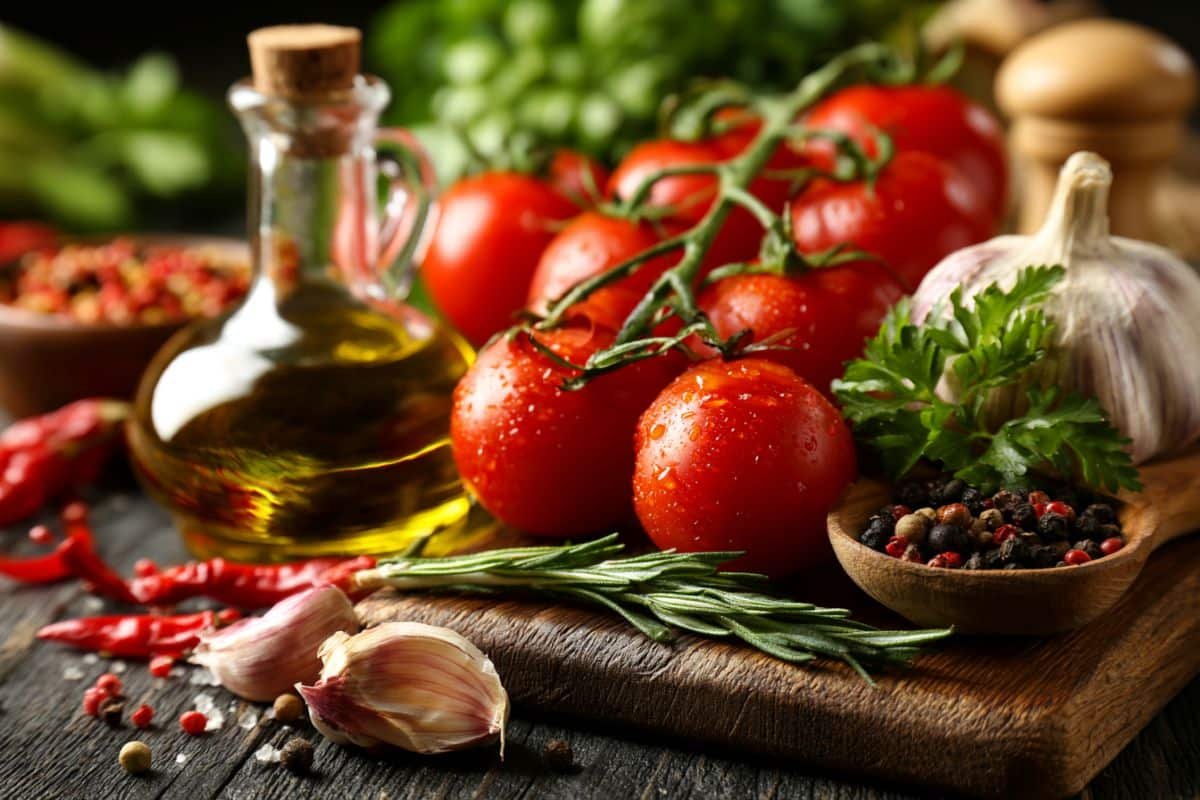
Adherence to a Mediterranean diet optimizes positive psychological well-being across dimensions of autonomy and self-realization, providing a vital systemic shock-absorber that minimized emotional decline during the COVID-19 pandemic. Credit: Neuroscience News
To date, numerous studies have shown that the Mediterranean diet—rich in fruits, vegetables, legumes, fish and olive oil—is an effective shield against physical decline and the development of disorders such as depression.
However, this new study goes a step further by focusing on positive psychological well-being, which encompasses dimensions such as control, autonomy, pleasure and self-realisation, and includes questions relating to independence, enjoyment of life, sense of purpose, energy levels and future outlook. The study suggests that the benefits of following a Mediterranean diet for well-being are independent of the presence of depressive symptoms or the participants’ socioeconomic status.
The study analysed data from 3,296 individuals aged between 50 and 90 years who were participating in the English Longitudinal Study of Ageing (ELSA). Dietary habits were assessed between 2018 and 2019 using an online platform, where participants reported everything they had eaten and drunk on two non-consecutive days. Psychological well-being was evaluated through questionnaires administered on up to two occasions between 2018 and 2020.
Protection against the mental health effects of COVID-19
Data collected through the ELSA cohort show that the emergence of the COVID-19 pandemic and the restrictive measures that followed had a negative emotional impact on study participants. However, the decline in emotional well-being was less pronounced among individuals with greater adherence to the Mediterranean diet, suggesting a protective effect.
“Our study is observational and, therefore, the results should be interpreted with caution, since we cannot draw causal conclusions,” says Camille Lassale, ISGlobal researcher and senior author of the study.
“Nevertheless, the questionnaires administered during the pandemic allowed us to follow participants over time, which is a major strength of the study. Although the biological mechanisms underlying the relationship between the Mediterranean diet and better mental health are still being investigated, the evidence suggests that its foundational foods and components help regulate key processes such as stress responses, inflammation, gut health and brain function”, she adds.
“This study provides further evidence of the relationship between what we eat and our mental health, an emerging field of research that we hope will generate substantial new evidence in the years to come,” says Alanna Shand, research psychologist and co-author of the study.
“Although many questions remain open, there is no doubt about the need to promote healthy lifestyles, prioritising a balanced diet rich in plant-based foods and low in foods such as processed meats and sweets, particularly among older adults,” says Andrew Steptoe, researcher at University College London and first author of the study.
Key Questions Answered:
Q: How can eating fish and olive oil make a 60-year-old feel a greater sense of purpose and independence?
A: It sounds surprising, but your brain and your gut are connected by a non-stop biological communication superhighway. A Mediterranean diet is packed with specific nutrients, like omega-3 fatty acids from fish and polyphenols from extra virgin olive oil, that act as a biological shield. These components physically reduce inflammation in the brain and support a healthy gut microbiome, which is responsible for producing the vast majority of your body’s mood-regulating chemicals. When your brain is structurally protected from chemical stress and inflammation, you naturally experience higher energy levels, a more optimistic future outlook, and a greater sense of personal control.
Q: What makes this study different from past research on the Mediterranean diet?
A: Historically, when scientists studied food and mental health, they only looked at the negative stuff, like whether a diet could reduce clinical depression or anxiety. This study by UCL and ISGlobal did something completely different: it focused on positive psychological well-being. Instead of just checking if people were sad, researchers used advanced tracking to measure things like autonomy (feeling independent), self-realization (achieving personal goals), pleasure, and life enjoyment. They proved that a Mediterranean diet doesn’t just keep you from slipping into a mental illness; it actively helps you thrive as you age.
Q: How did a Mediterranean diet help people handle the intense stress of the COVID-19 lockdowns?
A: The COVID-19 lockdowns were a massive psychological shock, causing a sharp decline in emotional well-being across the world due to isolation and anxiety. However, because the researchers were tracking 3,296 adults through the pandemic, they discovered a fascinating pattern: people who stuck closely to a Mediterranean diet experienced a significantly milder emotional drop. Because their bodies were fueled by anti-inflammatory whole foods, their nervous systems were biologically more resilient and better equipped to handle severe environmental stress, proving that nutrition acts as a mental health shock-absorber during times of crisis.
Editorial Notes:
- This article was edited by a Neuroscience News editor.
- Journal paper reviewed in full.
- Additional context added by our staff.
About this deit and psychology research news
Author: Èlia Pons
Source: ISGlobal
Contact: Èlia Pons – ISGlobal
Image: The image is credited to Neuroscience News
Original Research: Open access.
“Adherence to the Mediterranean diet and psychological wellbeing before and during the COVID-19 pandemic: a prospective analysis of the English Longitudinal Study of Ageing” by Alanna Jo Shand, Andrew Steptoe, Camille Lassale. BMJ Open
DOI:10.1136/bmjopen-2025-109599
Abstract
Adherence to the Mediterranean diet and psychological wellbeing before and during the COVID-19 pandemic: a prospective analysis of the English Longitudinal Study of Ageing
Objectives
Following a Mediterranean-like diet has been associated with lower depression levels but there has been limited study of links with positive states of psychological well-being. We tested whether adherence to a Mediterranean diet was cross-sectionally associated with positive well-being among older adults in England in 2018/2019 and prospectively through the COVID-19 pandemic.
Design
Prospective observational cohort analysis.
Setting
Population study of older people ≥50 years in England.
Participants
3296 participants (46% men) in the English Longitudinal Study of Ageing (ELSA) aged 68.18±7.43 years, who completed a dietary module in 2018/2019 for the assessment of the Mediterranean diet (relative Mediterranean Diet Index (rMED)).
Primary and secondary outcome measures
Psychological well-being measured using the CASP12 at baseline (2018/2019) and again in the early months of the COVID-19 pandemic (2020).
Results
Cross-sectionally, higher rMED scores were associated with greater psychological well-being (β=0.054, p<0.001), independent of depressive symptoms, income, education, physical activity, smoking, self-rated health and limiting long-standing illness. Longitudinal analyses revealed that higher adherence to the Mediterranean diet predicted smaller declines in well-being during the early months of the COVID-19 pandemic (β=0.026, p=0.042), even after accounting for baseline well-being and COVID-19 infection experience.
Conclusions
Greater adherence to a Mediterranean diet was positively associated with psychological well-being among older adults in England. This relationship persisted even during a period of widespread societal stress. Promoting Mediterranean-style dietary patterns may support not only physical but also mental well-being in later life, underscoring the importance of nutritional public health strategies for mental health resilience in ageing populations.
