


About
When people think about minerals essential for health, calcium and iron often come to mind. However, potassium is equally important (1✔ ✔Trusted Source
Potassium and Health
Go to source).
It is the body’s primary intracellular electrolyte and plays a crucial role in maintaining the normal function of the nerves, muscles, heart, kidneys, and digestive system.
Despite its importance, global studies estimate that about 86% of people consume less than the World Health Organization’s recommended intake of more than 3.5 grams of potassium per day.
Modern diets rich in processed, sodium-heavy foods and low in fruits and vegetables are major contributors to this nutritional imbalance.
Over time, inadequate potassium intake has been associated with increased risks of high blood pressure, stroke, cardiovascular disease, kidney stones, and even premature mortality.
Advertisement
Potassium deficiency can develop gradually, and its symptoms are often easy to overlook because they may resemble everyday health complaints such as fatigue, muscle weakness, or headaches. While severe deficiency (hypokalemia) requires medical attention, even long-term low potassium intake may affect how the body functions. Here are some common signs that may indicate your body is not getting enough potassium (2✔ ✔Trusted Source
Global mean potassium intake: a systematic review and Bayesian meta-analysis
Go to source).
1. Persistent Fatigue and Low Energy
Feeling tired despite getting adequate sleep may sometimes be linked to low potassium intake.
Advertisement
Potassium helps cells produce and utilize energy efficiently. When levels are insufficient, muscles and nerves may not function optimally, resulting in generalized weakness and fatigue.
Although fatigue has many causes, persistent unexplained tiredness warrants medical evaluation.
2. Muscle Weakness or Frequent Cramps
Muscle cells rely on potassium to contract and relax normally.
Low potassium can interfere with these electrical signals, leading to:
- Muscle weakness
- Leg cramps
- Difficulty exercising
- Reduced endurance
Athletes and people who sweat heavily may be particularly vulnerable if dietary intake is inadequate.
Advertisement
3. Irregular Heartbeat or Palpitations
The heart depends on carefully regulated potassium levels to maintain a normal rhythm.
Insufficient potassium can disturb electrical conduction, which leads to:
Severe potassium deficiency can lead to dangerous cardiac arrhythmias and requires immediate medical attention.
4. High Blood Pressure
Potassium helps balance the effects of sodium within the body. It promotes sodium excretion through the kidneys and supports healthy blood vessel function. Diets low in potassium and high in sodium may therefore contribute to elevated blood pressure.
Research suggests that maintaining a healthier sodium-to-potassium ratio is important for cardiovascular protection.
5. Constipation and Digestive Problems
The muscles lining the digestive tract also depend on potassium for normal movement. Low potassium may slow intestinal contractions, resulting in:
Digestive symptoms alone do not confirm potassium deficiency, but they may occur alongside other warning signs.
6. Tingling or Numbness
Potassium plays a vital role in transmitting nerve impulses. When potassium levels are disrupted, nerve signaling may become impaired, leading to sensations such as:
- Tingling
- Numbness
- Pins and needles
Persistent neurological symptoms should always be evaluated by a healthcare professional.
7. Frequent Muscle Twitching
Small involuntary muscle contractions or eyelid twitching may sometimes occur when electrolyte balance is disturbed.
Because potassium regulates muscle excitability, inadequate intake may contribute to increased muscle irritability in some individuals.
8. Excessive Thirst or Frequent Urination
Potassium helps maintain normal fluid balance within cells. In some cases, potassium deficiency can impair kidney function, leading to:
These symptoms overlap with several medical conditions, including diabetes, and should not be self-diagnosed.
9. Difficulty Concentrating or Mental Fog
Healthy nerve cells require proper electrolyte balance to communicate effectively. Some people with inadequate potassium levels report:
- Poor concentration
- Mental fatigue
- Reduced alertness
Although many factors influence cognitive function, maintaining adequate nutrition supports overall brain health.
10. Increased Risk of Heart Disease, Stroke, and Kidney Stones
Potassium deficiency may not always produce obvious symptoms but can still affect long-term health.
Studies have associated low potassium intake with:
- Higher blood pressure
- Increased stroke risk
- Greater cardiovascular mortality
- Increased risk of kidney stones
- Poorer metabolic health
For this reason, experts increasingly emphasize improving dietary potassium intake rather than focusing solely on reducing sodium.
Food
Approximate Potassium Content
White beans
Very high
Sweet potatoes
High
Spinach
High
Beet greens
High
Tomato puree
High
Bananas
About 400 mg per serving
Avocado
High
Yogurt
Good source
Salmon
Good source
Soybeans and legumes
Excellent source
Whole foods provide potassium along with fiber, vitamins, and antioxidants that support overall health.
Many modern diets rely heavily on processed and packaged foods that are high in sodium but low in potassium.
At the same time, people may eat fewer fruits, vegetables, legumes, and whole grains, the foods that naturally provide potassium. This imbalance between sodium and potassium may contribute to high blood pressure and increase the risk of heart disease over time.
Some groups may be more likely to have inadequate potassium intake or abnormal potassium levels, including:
- People consuming highly processed diets
- Older adults
- Individuals taking certain diuretics
- Those with prolonged vomiting or diarrhea
- People with eating disorders
- Individuals with certain kidney or hormonal disorders
Conversely, people with advanced kidney disease should not increase potassium intake without medical supervision, as excessive potassium can also be dangerous.
For most healthy individuals, obtaining potassium from food is preferable to supplementation. Foods rich in potassium provide additional nutrients and are generally safer than high-dose supplements.
Potassium supplements or potassium-enriched salt substitutes should only be used under medical guidance, especially for individuals with kidney disease or those taking medications that affect potassium levels.
Most people focus on reducing salt intake, but increasing potassium-rich foods may be equally important for long-term health.
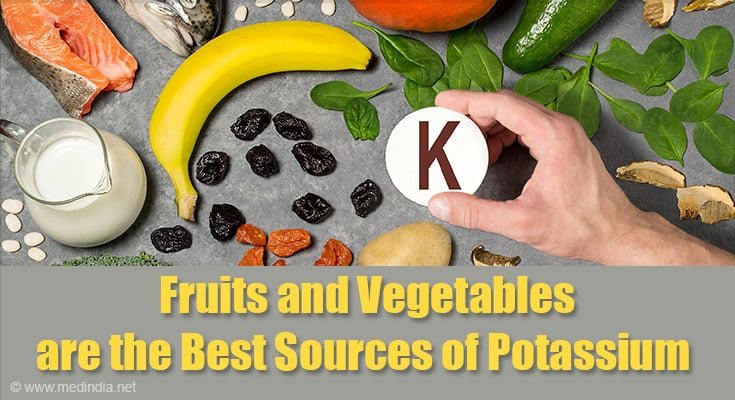
A diet emphasizing fruits, vegetables, legumes, dairy, nuts, and other minimally processed foods naturally improves the potassium-to-sodium balance and supports healthy blood pressure, heart function, muscles, and nerves.
Rather than relying on supplements, experts recommend obtaining potassium primarily through a balanced diet unless otherwise advised by a healthcare professional.
