


“Anxiety disorders, including panic disorder with or without agoraphobia, generalized anxiety disorder, specific phobias, and separation anxiety disorder, are the most prevalent mental disorders …” (Bandelow, 2015).
In addition, people can struggle with anxiety that does not rise to the level of a disorder. For example, some students experience test anxiety.
Food can affect anxiety, and choosing foods carefully can be a helpful adjunctive treatment. Some foods can reduce anxiety, and other foods can make it worse. If you or someone you care about has anxiety, you can utilize the information in this post to help reduce anxiety.
Foods That Help Reduce Anxiety
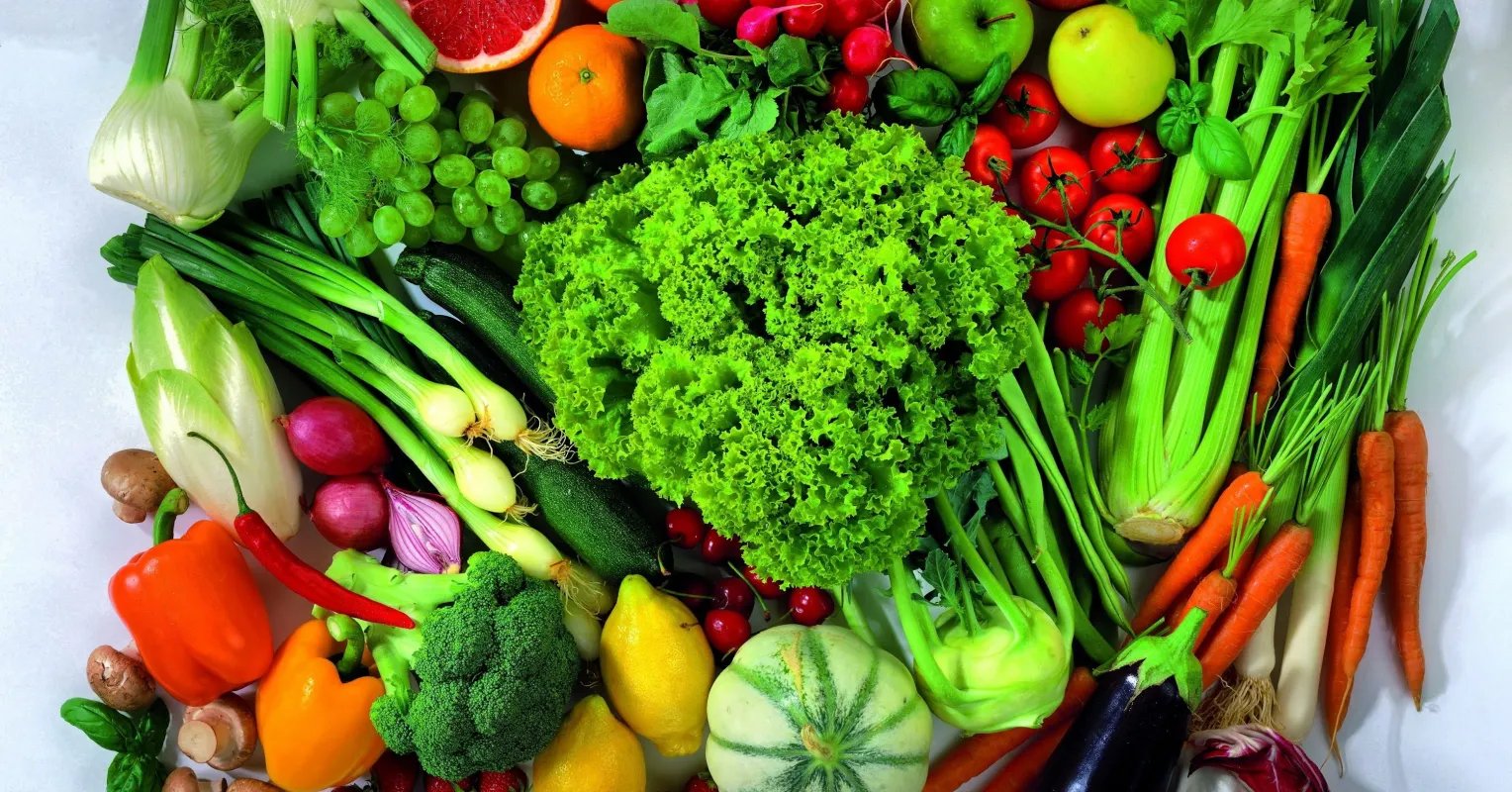
Research has shown that a Mediterranean diet benefits people with anxiety disorders. “The Mediterranean diet is generally based on the daily intake of fruit and vegetables, whole grains, legumes, nuts, fish, white meats, and olive oil. It may also include moderate consumption of fermented dairy products, a low intake of red meat, and red/white wine during the main course” (Ventriglio, 2021).
The Mediterranean diet has been shown to benefit children and teenagers (Camprodon-Boadas, 2025), young adults (Melguizo-Ibanez, 2023), and older adults (Allcock, 2024). Research has also demonstrated its benefits for anxious people who are obese (Menichetti, 2025).
- Anti-inflammatory and antioxidant foods: Soy products, berries, nuts, seeds, tea, and especially beans (Naidoo, 2023).
- Micronutrients: Leafy greens such as kale and spinach, whole unprocessed foods, legumes, seafood, meat, dairy, and cruciferous vegetables such as broccoli, Brussels sprouts, cabbage, and cauliflower (Naidoo, 2023).
- Omega-3 fatty acids: Fish, especially salmon, and other seafood; nuts; and seeds can improve anxiety (Naidoo, 2023).
- Fiber and fermented foods: Vegetables, legumes, nuts, and seeds add fiber; gut health is supported by fermented foods, such as kimchi, miso, sauerkraut, and yogurt (Naidoo, 2023).
- Oils: Extra-virgin olive oil for dressings and low-heat cooking; use avocado oil for higher-heat cooking (Naidoo, 2023).
- Spices and herbs: Turmeric (with a small amount of black pepper), saffron, paprika, oregano, rosemary, mint, parsley, and thyme (Naidoo, 2023).
- Dark chocolate: 1 1/2 ounces of extra-dark natural chocolate is a healthy treat and dessert (Naidoo, 2023).
- Water: Drink plenty of water each day (Naidoo, 2023).
Foods to Limit or Avoid Completely
- Sweets and treats: Chips, cookies, sweetened breakfast cereals, and anything with lots of sugar or artificial sweeteners, especially soda. Do not drink energy drinks; their caffeine and other ingredients elevate anxiety (Naidoo, 2023).
- Coffee: Limit coffee intake. Five or more cups per day can cause panic attacks even in people without a panic disorder (Naidoo, 2023).
- Alcohol: Limit alcohol use. If you do drink alcohol, red wine is preferred (Naidoo, 2023).
- Condiments: Limit condiments with a high sugar content, such as ketchup, honey mustard, and BBQ sauce (Naidoo, 2023).
- High glycemic index (GI) foods: Limit foods with a high GI, such as white bread, potatoes, bagels, and pasta. When you do eat pasta, cool it after cooking because that reduces the GI value. Before eating it, you can reheat it without elevating the GI value (Naidoo, 2023). The GI refers to how quickly carbohydrates raise your blood sugar levels.
- Red meat: Limit red meat, such as beef. Severely limit or eliminate processed or cured meat, e.g., bacon, sausage, hot dogs, and meat substitutes (Naidoo, 2023).
- Ultra-processed foods: Eliminate them from your diet (Lane, 2022).
Supplements
Some supplements have been shown to benefit people with anxiety. Ashwagandha supplements reduce the stress response at a dose of 300-600 mg daily and can reduce anxiety with doses up to 12,000 daily (Akhgarjand, 2022).
Omega-3 fatty acid supplements showed improvement at 2 grams per day. It “did not increase adverse events” (Bafkar, 2024).
Probiotics have been shown to reduce anxiety and depressive symptoms (Asad, 2025). Several foods contain probiotics, but they can also be obtained in capsule form.
The Bottom Line
Selecting foods and supplements can be a helpful adjunctive treatment for anxiety. Some foods are beneficial, and others are potentially harmful. Using food as a treatment is not meant to be a substitute for therapy and medications for people with an anxiety disorder.
