


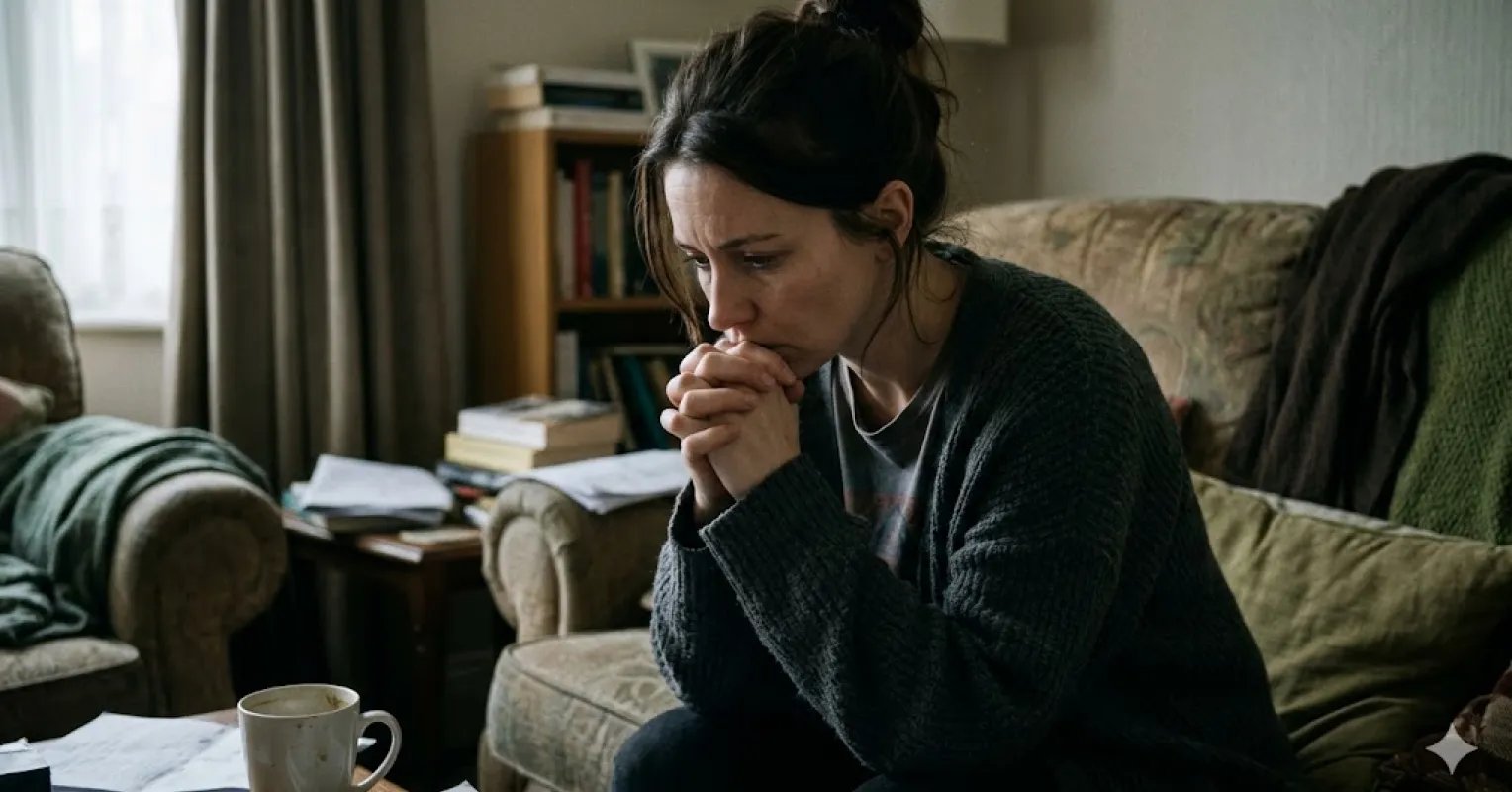
The media is rife with discussions about “anxiety and depression,” often using them in a single phrase as if they represent a single psychological issue. In truth, anxiety and depression are two separate diagnoses, sometimes co-occurring in an individual, but most people suffer from anxiety or depression. That said, co-occurring cases usually have an “arrow” of causation that can be helpful to understand.
How Anxiety and Depression Interact
The arrow of causation between anxiety and depression can go both ways: Untreated anxiety leading to a restricted life can bring about demoralization, which can eventually become depression. On the other hand, depression can cause people to withdraw from usual mood-maintaining activities such as exercise, work, and social support, and is often associated with increased anxiety. Anxiety often emerges as people feel unwell, are bewildered by the changes they are experiencing, and worry that they will not recover.
Most people who are depressed experience at least some anxiety, and most people with anxiety disorders eventually feel demoralized by the symptoms that persist.
In general, if serious clinical depression is present, treatment for depression comes first. The anxiety may go away when the depression lifts—or additional treatment for anxiety disorder can follow. It is often difficult to treat anxiety disorders in the context of serious depression.
Everyday Feelings vs. Clinical Conditions
Some important clarifications are needed. The words “anxious” and “depressed” are used to describe feelings in a general way: almost everyone experiences these feelings when facing a challenge, dealing with a loss, or managing a complicated situation. These experiences are universal: they are transitory and neither disabling nor bewildering. People generally understand what is happening and can wait for these feelings to subside, or they manage ongoing stress with lifestyle choices like exercise, adequate sleep, and social support.
The important issue is to recognize when someone is suffering from an anxiety disorder and/or a clinical depression. These problems persist and tend not to respond to stress management or just the passage of time. They need more help.
Clinical depression is a mood disorder. It can occur as part of other problems such as premenstrual depression, bipolar depression, or because of grief, trauma, major loss, or an underlying medical condition.
Additionally, the demoralization and exhaustion of coping with untreated anxiety disorders—and especially OCD—can bring on depression. However, this type of depression often clears up as the anxiety disorder is successfully treated and symptoms become more manageable.
What distinguishes clinical depression from just feeling sad or demoralized are what are called vegetative signs: these include problems with sleep, appetite for food and sex, and most importantly, anhedonia, or the inability to feel pleasure. Things that normally would feel good (like being with someone you love or eating your favorite food or lying on a beach) just don’t give you any pleasure. Your sense of humor disappears. Nothing seems appealing or meaningful. You may also have exaggerated feelings of guilt, worthlessness, and hopelessness.
People with anxiety disorders, on the other hand, certainly suffer when they are anticipating doing something challenging, and they feel terrible when hijacked by their own imagination into believing catastrophic stories might come true. But when they are not anxious, they feel pretty normal and can laugh and enjoy themselves. They may lack confidence or general self-esteem, but they still have and want relationships and can be optimistic rather than hopeless.
Understanding Symptoms Through the Lens of Anxiety vs. Depression
Here are some guideposts to look at when trying to understand if you are anxious or depressed or both:
- Sleep: Generally, trouble falling asleep because of worrying is more anxiety, and waking up too early and not being able to go back to sleep is depression. Light, disrupted sleep can happen in both conditions.
- Appetite: Depressed people often under-eat or over-eat and rarely savor their food. Anxious people may be unable to eat during periods of high anxiety. The main difference is that with depression, the eating issue is prolonged; with anxiety, it is more dependent on the moment-to-moment anxiety level.
- Libido: It often disappears in depression. Not quite so much in anxiety disorders.
- Avoiding activities: In anxiety disorders, avoidance of activities is because you expect them to cause anxiety symptoms. You want to go, but you are scared. In depression, avoidance and withdrawal are because the activity is not expected to give any pleasure and might make you feel even more depressed. You just want to withdraw and be left alone.
- Aches, pains, and energy: Depressed folks often feel sick, low energy, crabby, or “not myself.” Anxious people may over-worry about some specific sensation or symptom, may have GI or muscle tension issues, but they have normal energy levels.
- Concentration and thinking: Clinically depressed people can’t focus or concentrate most of the time; people with anxiety disorders may not be able to think straight while panicking but do not have trouble concentrating when they are not anxious.
- Diurnal cycle: Depression often is worse in the morning, and there is some relief right before bed; anxiety is less predictable, can start early, be on and off all day, and then increase when there are no distractions and it is time to sleep.
- Ruminations (repetitive thinking): In clinical depression, there is often a focus on feeling hopeless, helpless, guilty, or ashamed. In anxiety, more often ruminations are attempts to solve a problem, answer an unanswerable question, or analyze, check on, or worry about something specific.
- Panic: Feeling panicky all day relentlessly, unable to get out of bed or relax or function normally, may well be agitation, which is actually a symptom of a mood disorder, not anxiety. A panic attack in an anxiety disorder comes on suddenly and usually only lasts a short time. It is physical arousal that is misinterpreted as a medical or psychological emergency.
- Suicide thoughts: It is not uncommon for people with anxiety disorders to worry that they might become suicidal or have “what if” thoughts that they reject about suicide. However, if the thoughts are actual wishes or intentions, it is likely depression and needs more help.
A supplemental guidepost is family history. Both depression and anxiety run in families. Having a bipolar parent or one with multiple phobias or OCD or a family history of suicide can be relevant.
These guideposts are not rules or definitive signs; they are aids to help you distinguish two different problems. Self-help for mild depression and anxiety disorders can certainly be effective. However, if clinical depression is present, professional help is highly recommended. There are also effective treatments for persistent and disabling anxiety disorders and for OCD. When possible, specialists in these conditions are the best choice.
If you or someone you love is contemplating suicide, seek help immediately. For help 24/7, dial 988 for the 988 Suicide & Crisis Lifeline, or reach out to the Crisis Text Line by texting TALK to 741741. To find a therapist near you, visit the Psychology Today Therapy Directory.
