


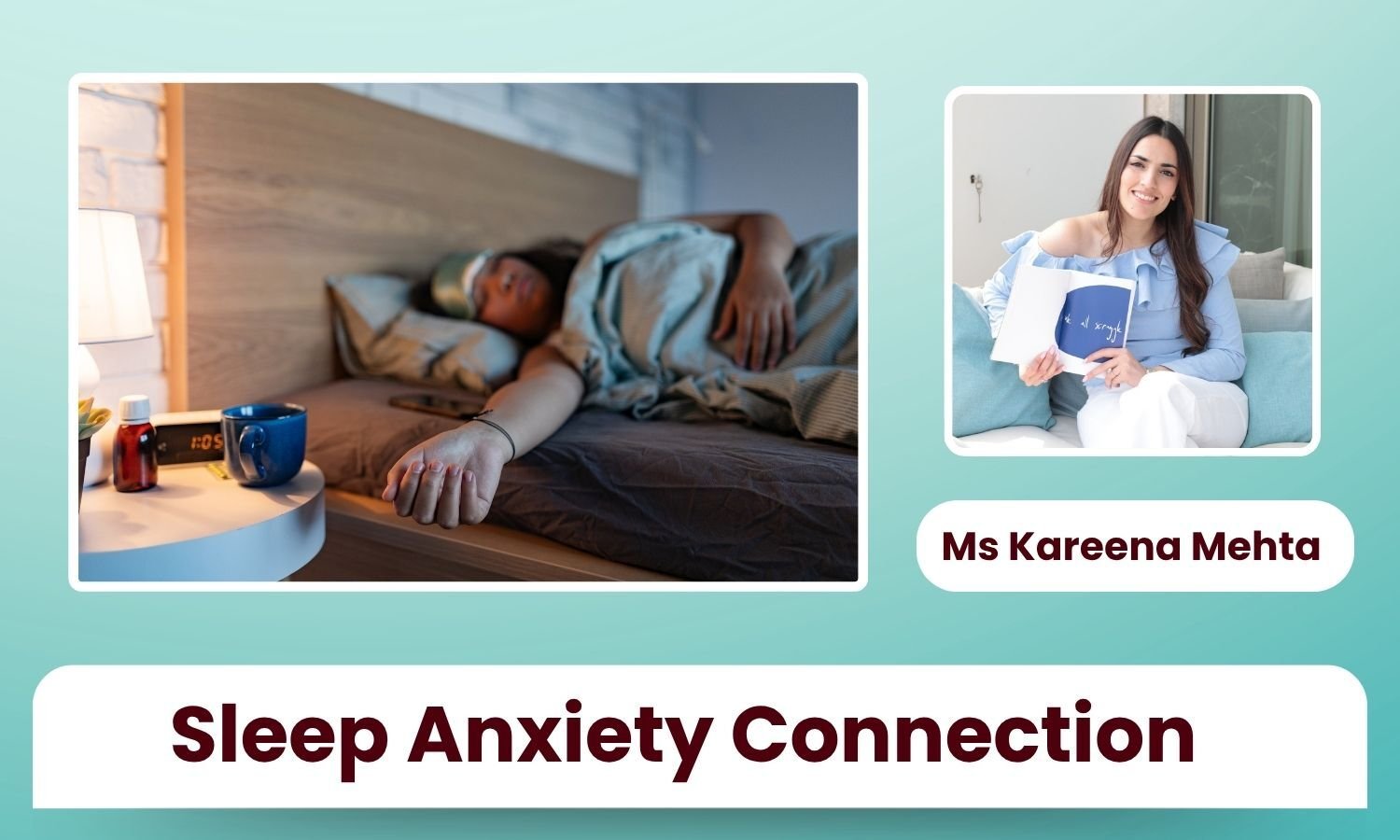
In the era of hustle culture and poor work-life balance, the importance of good sleep is often ignored and undervalued. But sleep cycles are the bedrock of our emotional and psychological well-being. The quality and quantity of our sleep can directly influence our stress levels, anxiety, cognitive function, ability to regulate emotions, and our overall mental well-being.
What are the effects of poor sleep on mental health?
Most health professionals recommend a sleep time of 7 to 9 hours a night, to keep you functional and healthy. However, research shows that sleep deprivation has become a worldwide problem. Less than 7 hours sleep per night, over a period of time, could lead to a great deal of health and wellbeing concerns.
Sleep deprivation is a global cause for concern, though 7 to 9 hours of sleep are widely recommended and essential for adults. Getting less than 7 hours of sleep a night or having poor quality sleep for a sustained period of time can lead to a variety of problems with emotional and mental well-being. That’s because lack of sleep affects the emotional centers of the brain. Several research studies show that not getting enough sleep may cause hyperactivity in the amygdala, the brain’s center for emotional processing. This may lead to higher anxiety levels and emotional instability. At the same time, the amygdala also reduces communication with the prefrontal cortex, which plays a role in controlling emotions and rational decision making.
The most important stage of sleep is the REM cycle, during which the brain consolidates long term memories and processes emotional experiences. Therefore, when we get enough sleep, we are more equipped to deal with distress, regulate our emotions and respond to situations with a more rational perspective.
The relationship between anxiety and sleep disturbances
Understanding the link between anxiety and sleep problems is critical. Developing proper sleep habits can significantly improve overall mental health. Anticipating that you won’t be able to sleep might be stressful in itself. Many people begin to worry about the consequences of sleeping too little, which causes anxiety before bedtime and further disrupts sleep.
It’s critical to be aware of the connection between anxiety and sleep issues since treating one enhances the other. Improving sleep quality and general mental health can be greatly aided by creating appropriate sleep hygiene.
Healthy sleep habits to incorporate
Sleep hygiene can be developed in a variety of ways. Maintaining a consistent sleep routine can be a helpful habit to incorporate. Sleeping and waking up at the same time every night can help the body clock automatically anticipate sleep and wake up with ease, thus reducing the stress and chaos of the mornings. Additionally, creating a calming nighttime routine, can also help the body regulate its internal clock. Exercising, meditating in the evenings, taking a warm shower or journaling are excellent practices to incorporate in the evenings, with a focus on mindfulness.
One common habit people indulge in is to scroll on their phones before bed, or if they wake up in the middle of the night. By doing this, the light on the screen wakes the body up, and the melatonin naturally produced in the body gets suppressed, thus disrupting the natural circadian rhythm. It is helpful to also limit caffeine intake in the evenings, and if possible to stop drinking beverages containing caffeine after 4 PM. By taking intentional steps towards maintaining a healthy sleep routine, you may notice gradual improvements in your quality of life as a whole.
Disclaimer: The views expressed in this article are of the author and not of Health Dialogues. The Editorial/Content team of Health Dialogues has not contributed to the writing/editing/packaging of this article.
