


Welcome to the Good News Roundup for May 25, 2026
Australian woman builds ‘Earthship’ home after fire
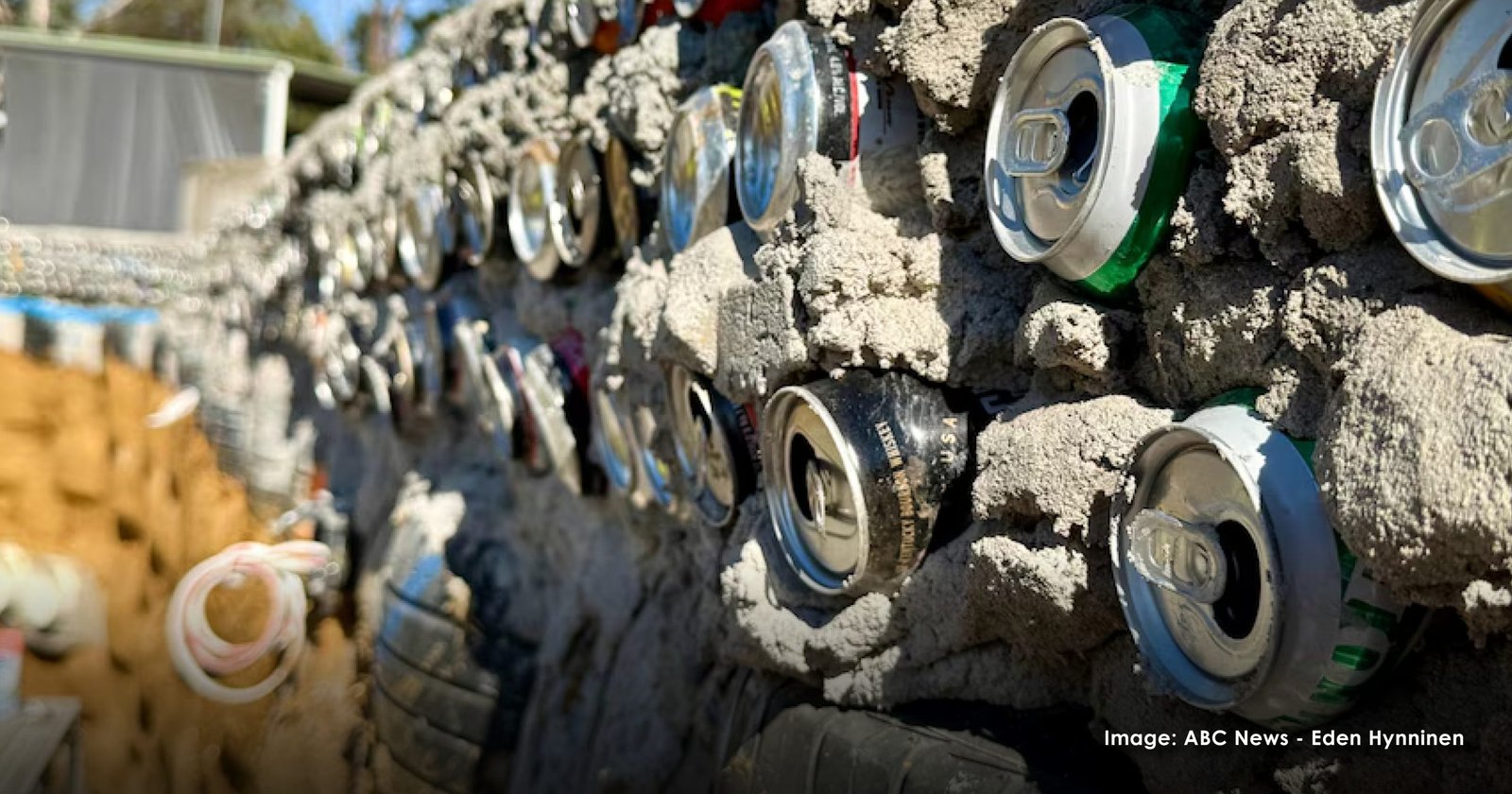
What’s in a home? What about tyres, bottles and cans?
When fire spread through the Grampian region of Victoria, Australia, two years ago, Dee-Ann Kelly’s home was one of 45 who lost her home.
She’s now rebuilding what’s known as an Earthship – a house built from earth-packed tyres, bottles and cans, under the guidance of a registered builder and with the assistance of around 35 people.
The home is eco-friendly and naturally bushfire-resilient, taking around three months to build and costing about the same as a traditional home. Read more here.
Record number of new marine species discovered
Scientists have discovered a record number of new species in the world’s oceans in the past 12 months, as part of The Nippon Foundation-Nekton Ocean Census.
More than 1100 new marine species were discovered, including corals, crabs, shrimps and sea urchins – some close to the surface while others were found at significant depths.
Identifying and documenting ocean species is vital to ensure the world’s waters are properly protected and managed, with previous research suggesting up to 90% of species are still undiscovered.
Read more here.
NY Woman donates kidney to younger brother on his birthday
It’s the birthday gift that will be hard to top – a New York man received a kidney transplant from his older sister on his 49th birthday.
Troy Rowe learned he would need a kidney transplant in 2024 after being diagnosed with end-stage kidney disease, but there were concerns about finding a match due to his less common blood type.
However, his sister Kim was found to be compatible and after being given the all clear health-wise to be able to safely donate a kidney, the surgery was booked.
Read more about this heartwarming sibling donation here.
Platypus numbers increasing at Australian national park
The reintroduction of the iconic Australian platypus at a New South Wales national park has been given another boost – with at least 20 of the animals now living in its waterways.
Platypuses were believed to have disappeared from Royal National Park’s Hacking River more than 50 years ago following an oil spill, but another four of the native animals were re-homed there this week.
13 platypuses have already been released into the park, and with the discovery of four juveniles, there’s now believed to be at least 20 living animals in the river.
Monitoring conditions, with ecologists certain there could be more – read the story here.
