


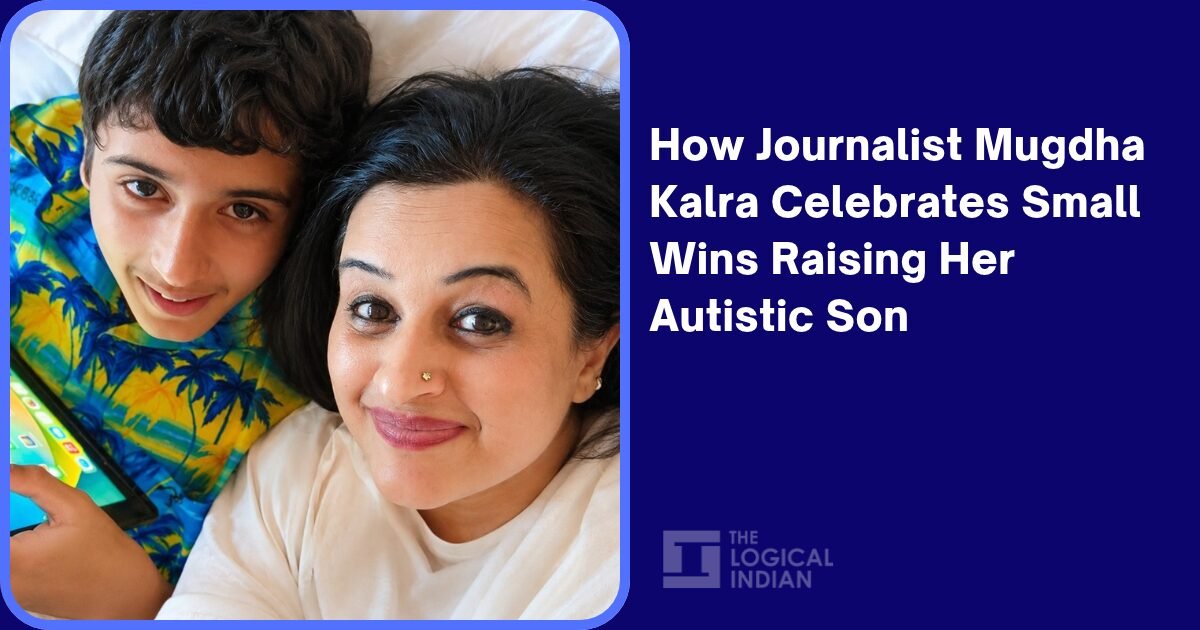
Dedicated advocate Mugdha Kalra champions autism awareness through a growing neurodiversity movement, reshaping parenting autism while raising her autistic son with inclusive parenting, celebrating small wins for special needs children through empathy education, sharing her motherhood journey to uplift neurodivergent children and build autism acceptance as an Indian journalist nurturing child development for inspiring mothers.
For journalist Mugdha Kalra, raising her autistic son Madhav has been an exercise in unlearning conventional parenting scripts and discovering the quiet power of everyday victories.
Tuning Out Judgment In Public Spaces
In a culture where children are routinely measured against standardized checklists and public stares quickly follow any unfamiliar behavior, parenting an autistic child often carries heavy emotional scrutiny. Early in her journey with Madhav, Mugdha confronted unsolicited advice and subtle judgment whenever her son reacted differently to noisy environments or unfamiliar routines.
Rather than internalizing external pressure or trying to reshape Madhav to satisfy strangers, she made a deliberate shift. She chose to anchor her parenting in patience, curiosity, and unconditional acceptance, meeting her son exactly where he was instead of where society insisted he ought to be.
Parenting Around Madhav’s Rhythm
Raising Madhav required Mugdha to rethink traditional ideas of discipline, communication, and milestone tracking. Instead of imposing rigid expectations, she learned to read his cues, respect his sensory boundaries, and structure daily routines that felt safe and predictable for him.
Within that supportive environment, progress revealed itself in ways that conventional report cards rarely capture. A calm afternoon at a bustling venue, an unprompted gesture of affection, or mastering a small daily task became treasured breakthroughs. By focusing intentionally on these small wins, Mugdha transformed everyday parenting from an exhausting race into a deeply rewarding partnership built on trust.
Movement For Neurodiversity Awareness
As Mugdha spoke candidly about her experiences, she realized how many parents across India were navigating similar journeys in quiet isolation, weighed down by stigma and scarce public understanding. Determined to change that narrative, she channeled her communication skills into founding a movement dedicated to neurodiversity awareness and acceptance.
Through workshops, public conversations, and candid storytelling, her initiative encourages families, educators, and communities to view autism not as a tragedy to be fixed, but as a natural variation in human wiring. By equipping parents with practical empathy and relatable insight, she helps them reframe what truly matters in their children’s lives.
Redefining What Success Looks Like
Mugdha’s message resonates strongly because it strips away performative parenting ideals and centers authentic human connection. She reminds fellow mothers and fathers that comparing a neurodivergent child’s timeline against neurotypical benchmarks only steals joy from genuine growth happening right in front of them.
When parents celebrate incremental steps with genuine pride, children absorb that confidence and feel secure exploring the world at their own pace. By inviting relatives, teachers, and neighbors into honest conversations about sensory sensitivities and communication differences, Mugdha helps dismantle everyday isolation. She reminds communities that autism acceptance is not a single awareness campaign in April, but a daily practice of patience, curiosity, and creating environments where neurodivergent children belong without apology.
The Logical Indian’s Perspective
Mugdha Kalra’s journey with Madhav offers a vital lesson in compassion and perspective for families and society alike. True inclusion begins when communities replace hasty judgment with patient understanding and recognize that every child’s growth deserves dignity. Expanding neurodiversity education in schools, workplaces, and public spaces ensures parents and children never have to walk alone while celebrating every meaningful step forward.
How can schools, neighborhoods, and public spaces become more welcoming and supportive for neurodivergent children and their families?
Also Read: Meet Aboli Jarit, Nagpur’s Wheelchair Model Breaking Barriers And Challenging Stereotypes
