


Reinette Lotz
In the mining sector, mental wellbeing is an integral part of a comprehensive approach to occupational health and safety. In an industry where decisions, concentration and alertness can have life-or-death consequences, psychological health and psychosocial working conditions deserve a prominent place in occupational health and safety, operational risk management and corporate governance. The challenge goes beyond raising awareness of this issue; it is also to translate that awareness into action.
Achieving this will require mental health to be prioritised as a matter requiring good operational leadership and executive oversight. It needs the appropriate links to occupational health and safety, workforce sustainability and environmental, social and governance (ESG) reporting.
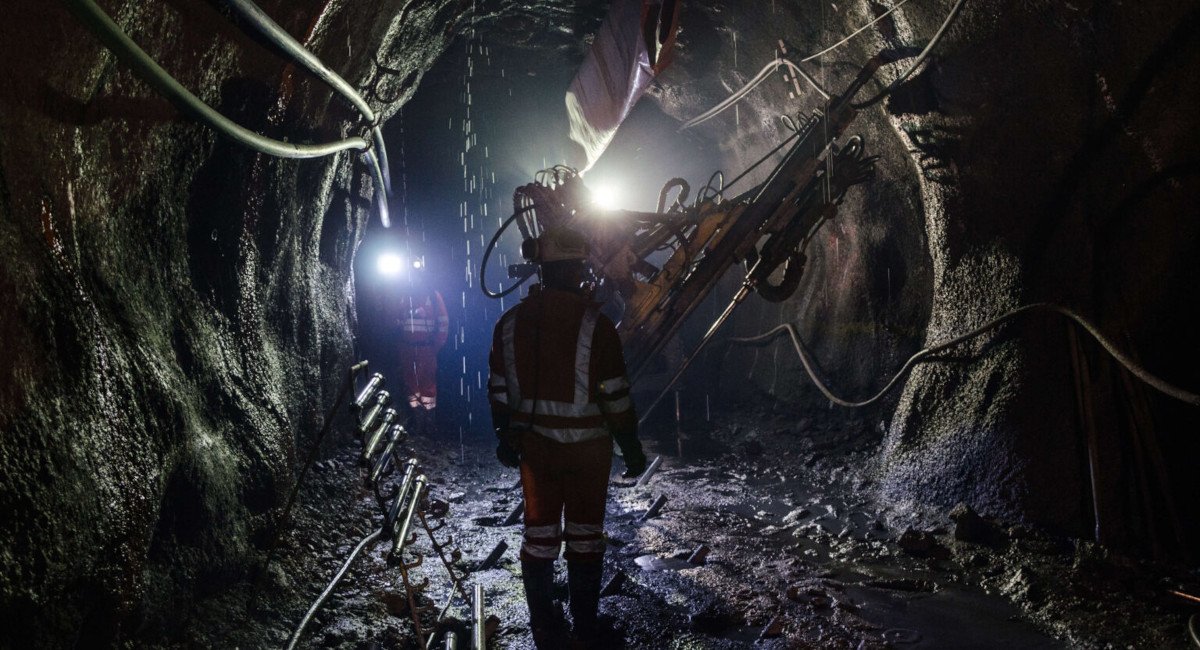
Mental health is increasingly being recognised as a safety issue, since a worker’s psychological state can influence their ability to concentrate, assess risk, make sound decisions and respond appropriately to hazards. Mining is a challenging environment: staff may operate heavy machinery, work underground or at heights, handle explosives, or work in close proximity to other employees. In these circumstances, a lapse in concentration or a delayed response can have serious consequences.
Prolonged stress, anxiety, depression, emotional distress coupled with prolonged periods of inadequate sleep that goes untreated can all affect attention, reaction time, judgement and situational awareness.
This does not mean that a person experiencing a mental health condition is automatically unsafe. It simply means that psychological health, fatigue and fitness for duty deserve the same thoughtful attention as other factors that influence safety. To ensure safety, mine operations require both physically and psychologically fit people, supported by a secure working environment.
Numerous challenges
Some of the biggest psychological pressures facing miners today include: the demands of the working environment; separation from family and personal responsibilities; financial and socioeconomic pressures; trauma, grief and cumulative exposure to distress; and organisational and interpersonal pressures, such as instances of conflict with supervisors or colleagues. Moreover, these pressures rarely operate in isolation.
Another challenge impacting more effective mental health treatment includes the stigma, particularly in a mine environment, where strength, toughness, resilience and the ability to cope under pressure are highly valued.
“In industries like mining, mental health is an important part of workplace safety as workers’ psychological wellbeing can influence their ability to concentrate, assess situations, make sound decisions.”
However, thanks to targeted interventions, we have witnessed a positive shift over the years, with an increase in employees seeking assistance. To totally break the stigma, we need to redefine what strength is – strength is not suffering in silence; it is recognising when support is needed and taking appropriate action.
When an accident happens, we must remember these are rarely attributable to a single factor, and we should not automatically attribute accidents to human factors, such as employees’ mental health. Contributing factors could possibly include complacency, communication failures, distractions, risk-taking and unsafe decision-making. But we must still be cognisant that fatigue, stress and psychological distress can affect the cognitive functions that workers rely on to perform hazardous tasks safely.
In addition, the cost of poor mental health extends well beyond medical claims or the direct cost of counselling. It can affect productivity, operational continuity, workforce stability and the quality of decision-making. There are also less visible costs in the form of strained team relationships, reduced morale, management time spent resolving conflict and declining trust in the organisation.
To overcome these issues, a tiered, integrated model that combines promotion, prevention, early intervention and treatment is recommended.
The first step is to build a healthier working environment for everyone. Secondly, the organisation should make it easier to ask for help, before problems escalate. Lastly, it is imperative to provide the right care at the right time.”
The role of medical schemes
Medical schemes have an important opportunity to provide access to services that support mineworkers, before their difficulties become severe enough to require hospitalisation or prolonged absence from work.
It is important to strengthen access to outpatient mental health services via self-referrals, which removes cumbersome administrative barriers. Early access can help address difficulties before they escalate.
Further to that, having an integrated Employee Assistance Programme (EAP) with the broader healthcare system provides an accessible entry point for employees experiencing personal, family, financial or work-related difficulties. It also offers a clear pathway between EAP counselling, medical assessment, outpatient psychotherapy, psychiatric care and other relevant services, while preserving confidentiality and obtaining appropriate consent.
EAP Practitioners also conduct workplace talks, provide digital resources, drive screening initiatives and wellness campaigns, which can help employees recognise warning signs and understand when and where to seek assistance.
Educational programmes on stress management, depression, anxiety, substance use, sleep, suicide prevention, healthy relationships and coping with trauma should also be supported.
We are firm in the belief that mental health care should not be viewed only through the lens of acute illness, psychiatric admission or specialist treatment. Much of the opportunity lies in accessible outpatient care, early intervention, continuity of treatment and prevention.
Supporting workforce mental health is an important priority across the mining industry. A meaningful step forward is to recognise that mental wellbeing is not solely an individual responsibility, but a shared commitment that forms part of an organisation’s occupational health and safety approach.
Reinette Lotz, is a registered Clinical Psychologist and Allied Services Manager at Platinum Health Medical Scheme.
Choose the African Mining Market as your preferred source on Google and never miss a moment on current mining and industrial news.
