


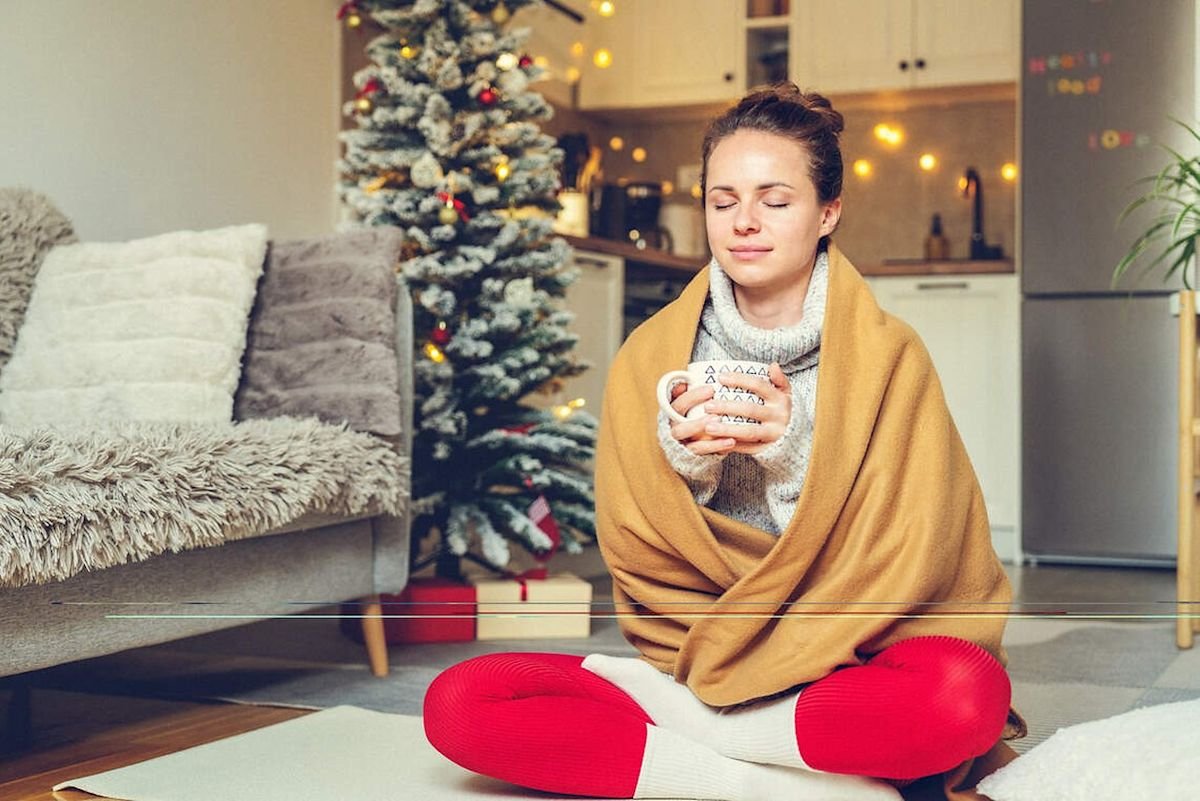
The holidays promise warmth, but the calendar rarely cooperates. Travel, shopping lists and family gatherings can leave anyone running on empty between Thanksgiving and New Year’s, which makes self care this season less a luxury than a scheduling decision.
Researchers, clinicians and retailers are tracking the same pattern. People feel stretched thin, and a handful of small habits around solitude, sleep, meals, movement and spending can change how the season actually lands.
Why self care matters during the holidays
A 2024 Ohio State Wexner Medical Center survey found that 46% of Americans do not get enough alone time during the holidays, even though more than half say quiet time is crucial to their mental health.
Sophie Lazarus, PhD, a clinical psychologist in the Department of Psychiatry and Behavioral Health at Ohio State, pushed back on the guilt that often comes with stepping away.
“I think it’s important to remember that just because you’re prioritizing yourself at this moment doesn’t mean that you’re selfish and doesn’t mean that you always make the choice to prioritize yourself over others,” Lazarus said.
Blocking off even a short window for yourself each day is a reasonable place to start.
Self care tips for better sleep
Rest is usually the first thing to slip. In a 2024 survey by the American Academy of Sleep Medicine, 55% of people reported being extremely or somewhat tired during the holiday season. Gen Z (62%) and Millennials (64%) felt it most.
The AASM suggests keeping a consistent bedtime and wake-up time even when the calendar gets messy, avoiding heavy meals right before bed, limiting late-night coffee and alcohol, and building a wind-down routine with journaling, reading, meditation or soft music.
How food and movement fit in
Rich meals and sugary treats come with the season, and Tufts Medicine offers a few guardrails. Prioritize water, seltzer and herbal tea over alcohol. Spend at least 20 minutes on each plate so your body has time to register fullness. Do not skip breakfast before a big dinner, since arriving starving usually leads to overeating. Small swaps help too, like cooking with olive oil instead of butter.
Movement counts even in small doses. A walk around the block on a lunch break or after dinner adds up, and the Heart Research Institute recommends packing workout clothes when you travel, exercising first thing in the morning on hectic days and turning family visits into walks or outdoor games.
CaroMont Health suggests breaking the recommended 150 weekly exercise minutes into 10- to 20-minute chunks, taking the stairs, parking farther from store entrances and adjusting rather than quitting. If you normally work out five days a week, aim for four during the holidays.
Self care ideas that include your wallet
Buying for everyone else can crowd out buying for yourself, but plenty of shoppers are pushing back. Per Deloitte’s 2026 Holiday Retail Survey, 33% of shoppers plan to self-gift this season and another 25% say maybe. The treat does not have to be big. A flavored coffee during a shopping run, a new dress for a party or a book you have been eyeing can all count.
“Self-gifting has become a durable part of holiday spending behavior,” said Julia Wilson, KPMG U.S. Principal, Consumer & Retail Strategy. “Even as households remain mindful of budgets, many are setting aside spending for purchases that feel rewarding, practical, or personally meaningful.”
Build a small line item for yourself into the shopping plan before the deals pull your attention in every other direction.
This article was created by content specialists using various tools, including AI.
