


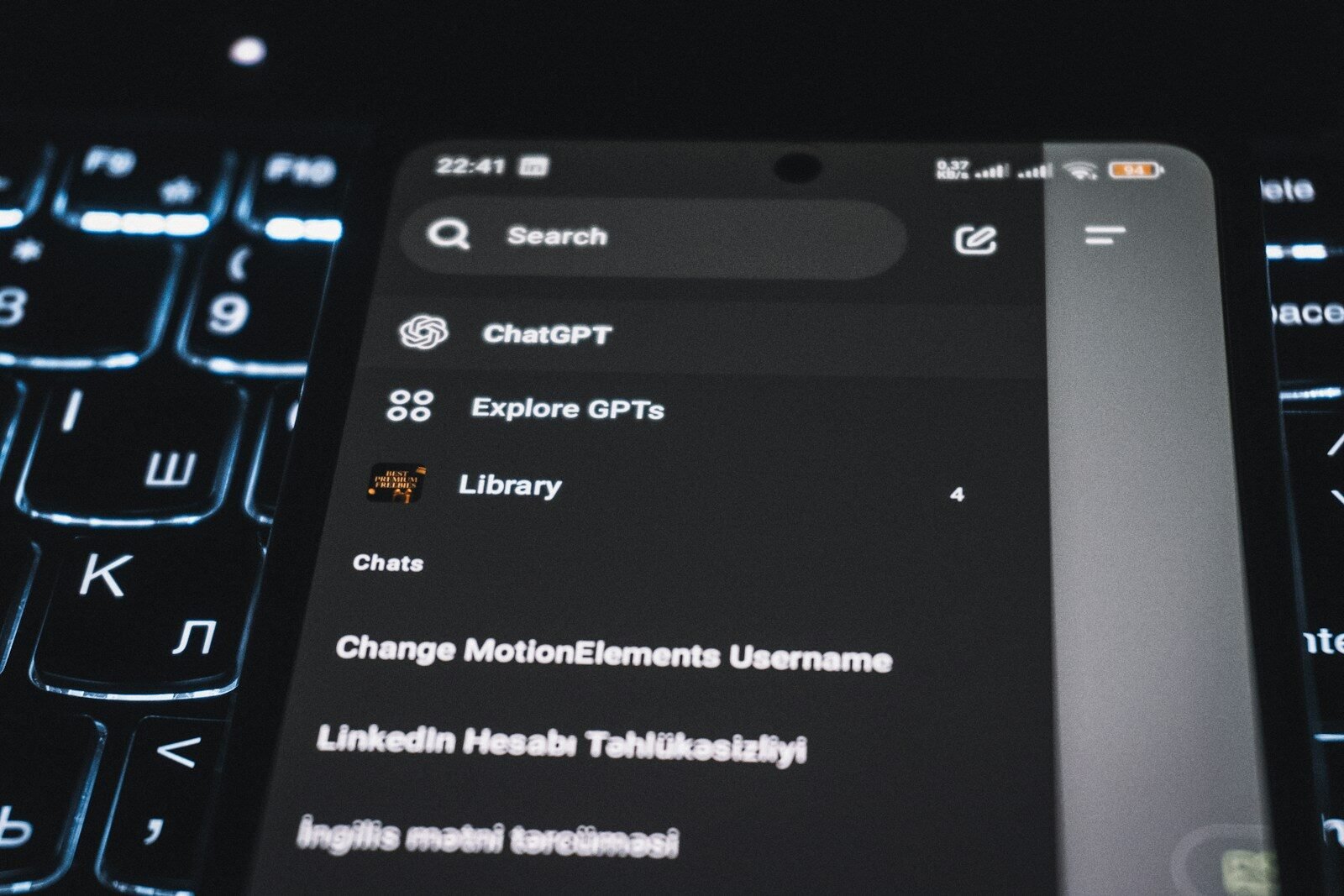
One in four students have turned to AI to help with their mental health, with some using it as a personal therapist.
The findings come less than a month after we reported on research suggesting children were turning to AI when unable to access mental health support. Now, a study by the University of Bath shows 25% of students had used it for support in the past six months.
The survey of 2,020 students found they’d used tools such as ChatGPT to seek advice when distressed and to better understand their mental health.
More than a third of students who were really suffering said they used AI for support and students with a declared disability were more likely to use it.
Dr Jeffrey Lambert, lead researcher of the project, said: ‘Generative AI is already changing how people seeking support for their mental health. Our findings suggest many students are turning to tools such as ChatGPT when they are struggling, including some experiencing particularly poor wellbeing.
‘The reality is that people are already using AI for their mental health, whether or not universities and healthcare services are ready for it. Rather than ignoring this, we need to understand how these tools are being used, where they might help, and where they could use harm.’
Nic Streatfield, director of student support and safeguarding at the University of Bath, said the university had developed guidance to help students understand the risks.
‘AI can be useful, but it is not a replacement for professional crisis support. Our guidance helps students understand its limits and know where to turn when they need more support.’
Researchers noted the study, published in JMIR Mental Health, may not reflect the experiences at other universities, as just 9.1% of students took part.
Going forward, a national study involving several universities is under way to assess how students are using AI for mental health support.
Image: Zulfugar Karimov/UnSplash
In related news:
College mental health support helps students stay in education
‘Stark’ figures show 82,910 children in care in England
