

Close Menu

    Subscribe to Updates

    Get the latest creative news from FooBar about art, design and business.

    What's Hot

    Stress, Sleep, and Support Predict Postpartum Anxiety

    November 13, 2026

    Psychological Safety After Injury – WorkersCompensation.com

    November 13, 2026

    5 Questions To Tell Them Apart

    November 13, 2026
    Facebook X (Twitter) Instagram
    Trending
    • Stress, Sleep, and Support Predict Postpartum Anxiety
    • Psychological Safety After Injury – WorkersCompensation.com
    • 5 Questions To Tell Them Apart
    • Evidence-Based Exercise for Maternal and Fetal Health
    • 72 Christmas Quotes on Faith, Giving and Meaning
    • Dr. King’s Lost Draft of ‘I Have a Dream’ Emerges from a Desk Drawer
    • Elevate Your Well-Being: 4 Positive Psychology YouTube Channels Worth Following
    • The Job of a Behavioral Support Helper|【紙ひこうき】訪問介護事業所・相談支援室
    Moving MountainsMoving Mountains
    Facebook X (Twitter) Instagram
    Friday, November 13
    • Home
    • Mental Health
    • Life Skills
    • Self-Care
    • Well-Being
    • Awareness
    • Inspiration
    • Workers Comp
    • Social Security
      • Injuries
      • Disability Support
      • Community
    Moving MountainsMoving Mountains
    Home » Stress, Sleep, and Support Predict Postpartum Anxiety
    Mental Health

    Stress, Sleep, and Support Predict Postpartum Anxiety

    TECHBy TECHNovember 13, 2026No Comments3 Mins Read
    Facebook Twitter Pinterest LinkedIn Tumblr Reddit WhatsApp Email
    Stress, Sleep, and Support Predict Postpartum Anxiety
    Share
    Facebook Twitter LinkedIn Pinterest WhatsApp Email

    A cross-sectional study published in BMC Public Health has identified specific lifestyle behaviors that predict anxiety and well-being among low-resourced postpartum women. The findings suggest that better stress management, higher quality sleep, and stronger social support are associated with lower levels of anxiety and greater overall well-being in this specific demographic.

    The study was motivated by the recognized vulnerability of postpartum women to anxiety and other mental health conditions, which can have negative consequences for both the mother and the infant. While lifestyle-based treatment approaches are known to prevent, manage, and treat various mental health issues, the authors note that these strategies are rarely integrated into standard postpartum care. This gap in clinical practice prompted the investigation into which specific lifestyle factors might serve as effective targets for intervention in low-resourced communities.

    Using a cross-sectional design, the researchers analyzed a sample of low-resourced postpartum women to determine which lifestyle behaviors predicted anxiety and well-being. The cross-sectional nature of the study means that the data captures a snapshot in time, allowing for the identification of associations but not causal links.

    The results indicated that women who reported better stress management, improved sleep quality, and higher levels of social support experienced lower anxiety and greater well-being. These findings highlight the potential importance of these three areas as targets for supporting mental health during the perinatal period. The study does not claim that these behaviors cause the reduction in anxiety, but rather that they are significant predictors of better mental health outcomes in this specific population.

    The integration of these lifestyle approaches into postpartum care could potentially help protect against physical and mental chronic conditions and promote maternal-child health.

    Future research should examine the longitudinal impacts of integrative, community-driven lifestyle interventions for postpartum women. While the current study provides valuable insights into the predictors of anxiety and well-being, it is limited by its cross-sectional design, which prevents the establishment of causality. The authors suggest that long-term studies are necessary to understand how sustained changes in stress management, sleep, and social support affect mental health over time.

    Subject of Research: Predictors of anxiety and well-being in low-resourced postpartum women

    Article Title: Postpartum lifestyle behaviors and mental well-being: examining predictors of anxiety and well-being in a low-resourced postpartum population

    Article References: Pangalangan, J. M. L., & Farewell, C. V. (2026). Postpartum lifestyle behaviors and mental well-being: examining predictors of anxiety and well-being in a low-resourced postpartum population. BMC Public Health. https://doi.org/10.1186/s12889-026-30237-8

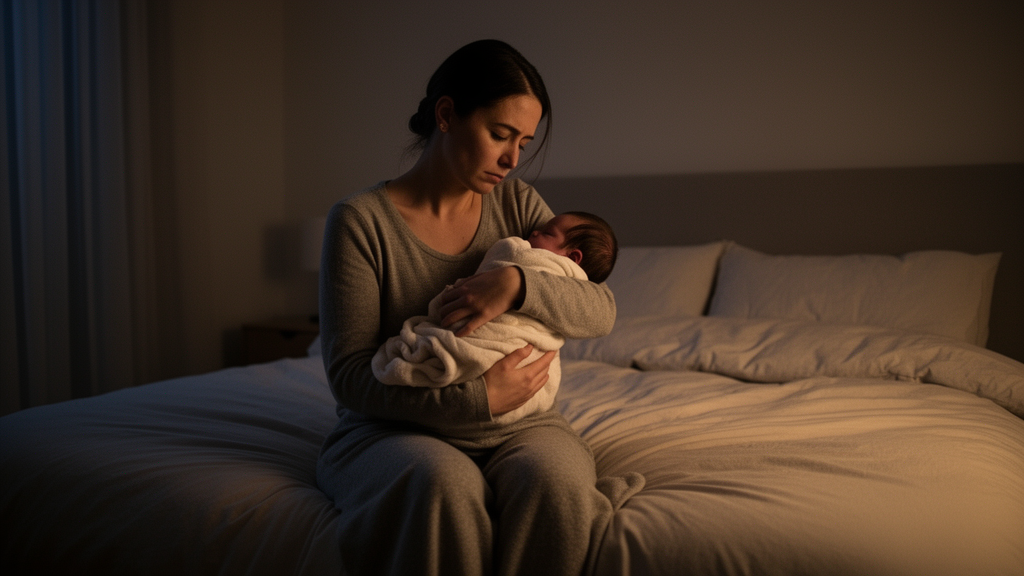
    Image Credits: AI Generated

    DOI: 10.1186/s12889-026-30237-8

    Keywords: postpartum anxiety, mental well-being, low-resourced population, stress management, sleep quality, social support, cross-sectional study, perinatal health, lifestyle interventions, maternal health, BMC Public Health, community-driven care, preventive care, postpartum depression, chronic conditions, integrative care, psychological predictors, health equity, maternal-child health, clinical gaps

    anxiety Postpartum predict sleep Stress Support
    TECH
    • Website

    Related Posts

    The Job of a Behavioral Support Helper|【紙ひこうき】訪問介護事業所・相談支援室

    November 13, 2026

    Study Examines Youth Mental Health Disclosures and Peer Responses on Social

    November 12, 2026

    Mindful Movement: The Benefits of Tai Chi and Qigong for Stress

    November 12, 2026
    Leave A Reply Cancel Reply

    Don't Miss
    Mental Health

    Stress, Sleep, and Support Predict Postpartum Anxiety

    By TECHNovember 13, 20260

    A cross-sectional study published in BMC Public Health has identified specific lifestyle behaviors that predict…

    Psychological Safety After Injury – WorkersCompensation.com

    November 13, 2026

    5 Questions To Tell Them Apart

    November 13, 2026

    Evidence-Based Exercise for Maternal and Fetal Health

    November 13, 2026
    Stay In Touch
    • Facebook
    • Twitter
    • Pinterest
    • Instagram
    • YouTube
    • Vimeo
    Our Picks

    Stress, Sleep, and Support Predict Postpartum Anxiety

    November 13, 2026

    Psychological Safety After Injury – WorkersCompensation.com

    November 13, 2026

    5 Questions To Tell Them Apart

    November 13, 2026

    Evidence-Based Exercise for Maternal and Fetal Health

    November 13, 2026

    Subscribe to Updates

    Get the latest creative news from SmartMag about art & design.

    About Us

    At Moving Mountains, we believe that every individual has strength, value, and purpose—regardless of mental health challenges or physical disabilities. This platform was created to inspire hope, promote understanding, and empower people to live meaningful and confident lives beyond limitations.

    Latest Post

    Stress, Sleep, and Support Predict Postpartum Anxiety

    November 13, 2026

    Psychological Safety After Injury – WorkersCompensation.com

    November 13, 2026

    5 Questions To Tell Them Apart

    November 13, 2026
    Recent Posts
    • Stress, Sleep, and Support Predict Postpartum Anxiety
    • Psychological Safety After Injury – WorkersCompensation.com
    • 5 Questions To Tell Them Apart
    • Evidence-Based Exercise for Maternal and Fetal Health
    • 72 Christmas Quotes on Faith, Giving and Meaning
    Facebook X (Twitter) Instagram Pinterest
    • About Us
    • Contact Us
    • Privacy Policy
    • Terms & Conditions
    • Disclaimer
    © 2026 movingmountains. Designed by Pro.

    Type above and press Enter to search. Press Esc to cancel.